6505 W Park Blvd #132 Plano, TX 75093

How Long Do Dental Crowns Last?
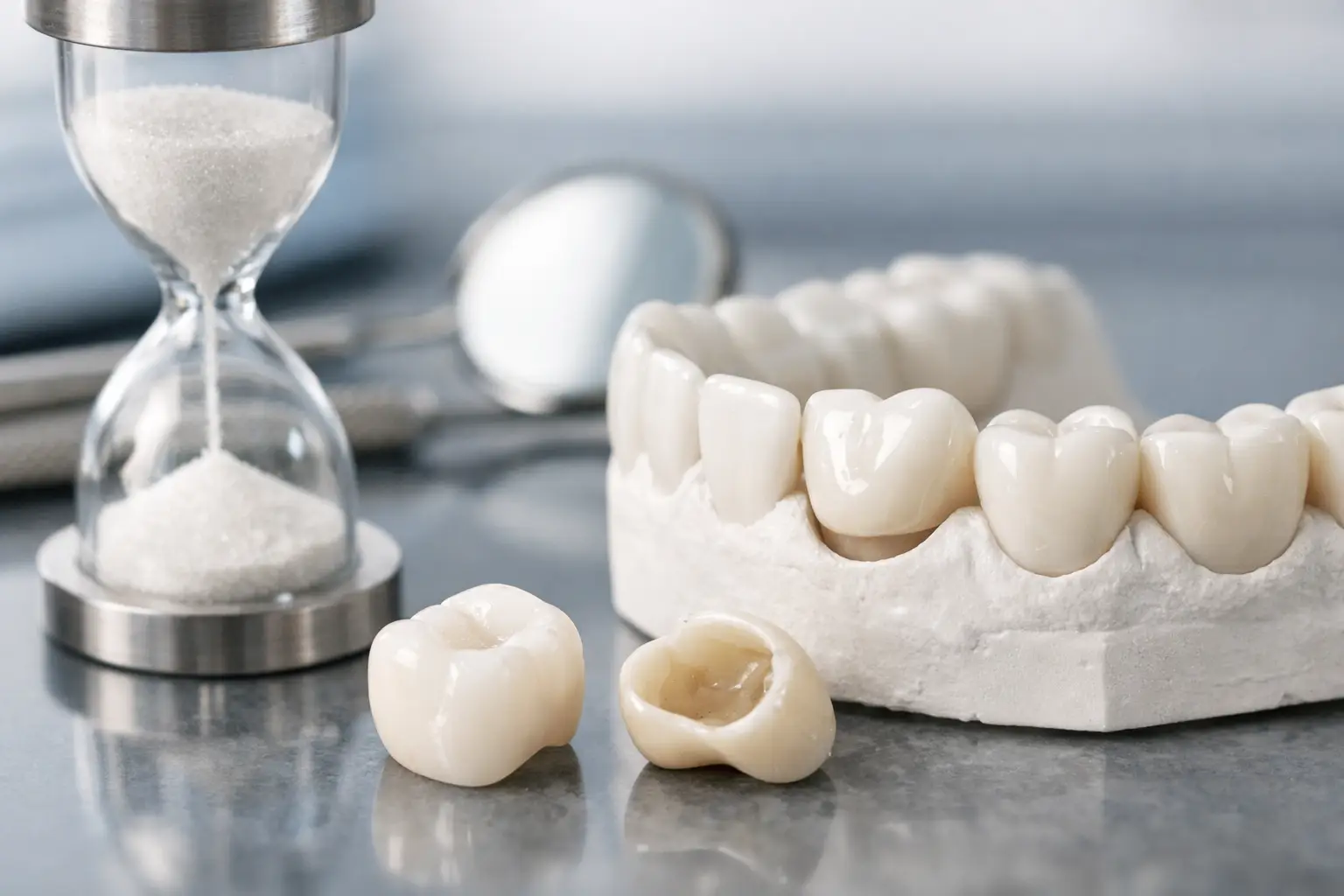
A dental crown can feel like a fresh start for a tooth that was cracked, weakened, heavily filled, or treated with a root canal. One of the first questions patients ask is how long do dental crowns last, and the honest answer is that most last anywhere from 5 to 15 years, with many lasting longer when they are well made, properly placed, and cared for consistently.
That range is wider than many people expect, but crowns do not all face the same kind of wear. A front tooth crown may experience very different pressure than a crown on a back molar. Someone who grinds their teeth at night may wear a crown down faster than someone who does not. The material matters too, as does how healthy the tooth and gums are underneath it.
How long do dental crowns last on average?
For many patients, a crown lasts about 10 to 15 years. Some need replacement earlier, especially if there is damage, decay under the crown, or heavy biting pressure. Others keep the same crown for 20 years or more.
That is why dentists usually avoid making blanket promises. A crown is strong, but it is not indestructible. It works hard every day through chewing, temperature changes, and the normal stress of use. Think of it as a long-term restoration rather than a permanent one.
A well-fitting crown protects the tooth underneath and restores function, which is a major benefit. Still, it depends on what happens after placement. Daily habits, bite alignment, gum health, and routine exams all play a part in how long it stays in good condition.
What affects how long dental crowns last?
The biggest factor is often where the crown is placed. Molars handle much more pressure from chewing and clenching than front teeth do, so crowns in the back of the mouth may wear faster. If a patient has a strong bite or a habit of grinding, that can shorten the life of both the crown and the natural tooth under it.
The material also matters. Porcelain crowns can look very natural, which makes them a popular choice for visible teeth. Zirconia is known for strength and durability. Porcelain-fused-to-metal crowns can offer a balance of appearance and support, though the edge may become more noticeable over time. Gold and other metal crowns have excellent longevity, but they are usually chosen for less visible areas.
Fit is another major issue. A crown should sit securely on the tooth, with margins that help seal out bacteria. If the fit is off, even slightly, plaque and decay can develop near the edge. That does not always mean the crown itself failed. Sometimes the crown is still intact, but the tooth underneath has developed a problem.
Oral hygiene matters more than many people realize. Crowns do not get cavities, but the tooth structure around and under them still can. If plaque sits around the gumline, it can lead to decay or gum disease, both of which can shorten the life of the restoration.
Crown material makes a difference
If you are wondering how long do dental crowns last, it helps to know that different materials tend to perform differently over time.
All-porcelain or all-ceramic crowns are often chosen for their natural appearance, especially on front teeth. They can last many years, but in high-pressure areas they may be more prone to chipping than stronger materials.
Zirconia crowns are often favored for durability. They are especially useful in areas where strength matters most. For many patients, zirconia offers a very good balance between longevity and appearance.
Porcelain-fused-to-metal crowns have been used successfully for years. They can be long-lasting, though porcelain can sometimes chip, and gum recession may reveal a darker metal line near the edge.
Metal crowns, including gold alloys, are extremely durable and often last the longest. They tend to wear down less and are kinder to opposing teeth in some cases. The trade-off is appearance, which is why they are less common in visible parts of the smile.
There is no one best material for every person. The right choice depends on the tooth location, cosmetic goals, bite forces, and overall oral health.
Signs a dental crown may need to be replaced
A crown does not always fail dramatically. Sometimes the warning signs are subtle at first. You may notice increased sensitivity when eating something cold or sweet. You might feel a rough edge, a new crack, or a change in the way your bite comes together.
Pain around a crowned tooth is another reason to schedule an exam. In some cases, the issue is decay under the crown. In others, the tooth or surrounding gum tissue may be inflamed. A crown that feels loose should also be checked right away, since bacteria can get underneath it if the seal is compromised.
Visible wear, chipping, or receding gums around the crown can also be signs that it is time for replacement. Even if the crown still looks acceptable from a distance, the margins may no longer be protecting the tooth as well as they should.
Regular checkups make a real difference here. Dentists can often spot problems before a patient feels them, which gives you more options and can help prevent a bigger repair later.
How to help your crown last longer
Good home care is one of the best ways to protect your investment. Brushing twice a day with a soft-bristled toothbrush and flossing carefully around the crown helps reduce plaque and supports healthy gums. If floss tends to catch around the area, mention it during your visit. That can be a sign the crown needs adjustment.
It also helps to be mindful of what you bite. Chewing ice, opening packages with your teeth, or crunching hard candy can damage both natural teeth and crowns. If you clench or grind, especially while sleeping, a custom night guard can reduce pressure and wear.
Routine dental visits matter just as much as home care. Professional cleanings help remove buildup around the crown, and exams allow your dentist to monitor the fit, the surrounding gums, and the tooth underneath. At Shine & Sparkle Dentistry, that kind of ongoing care is part of helping patients feel informed and confident, not rushed through a quick appointment.
Can a crown last forever?
Usually, no. Even an excellent crown placed with great precision will experience years of daily wear. Cement can weaken, materials can chip, and the natural tooth under the crown can change over time. Gum recession can expose new areas, and bite patterns can shift as other teeth move or dental work is completed elsewhere in the mouth.
That does not mean a crown is unreliable. It means it should be viewed as a durable, long-term restoration that still benefits from maintenance. In many cases, replacing a crown after years of service is simply part of preserving the health of the tooth.
Patients sometimes worry that needing a replacement means something went wrong. Often, it just means the crown has reached the end of its useful life. Dentistry is not only about fixing problems once. It is about protecting your smile over time.
When to call your dentist
If your crown feels loose, painful, cracked, or suddenly different when you bite down, do not wait it out. A small issue can turn into a larger one if bacteria get underneath the crown or if the tooth becomes more vulnerable. Even mild symptoms are worth checking, especially if they are new.
The good news is that crowns are one of the most dependable ways to restore damaged teeth. With the right material, careful placement, and consistent follow-up, they can serve patients very well for many years. If you are wondering whether your current crown is still in good shape, or if you have been told you need one, a clear conversation with your dentist can give you a realistic timeline based on your specific tooth, bite, and goals.
A crown should help you chew comfortably, protect your tooth, and feel confident when you smile. When it is cared for properly, that support can last much longer than many people think.