6505 W Park Blvd #132 Plano, TX 75093

Can a Dentist Fix Chipped Teeth? Yes
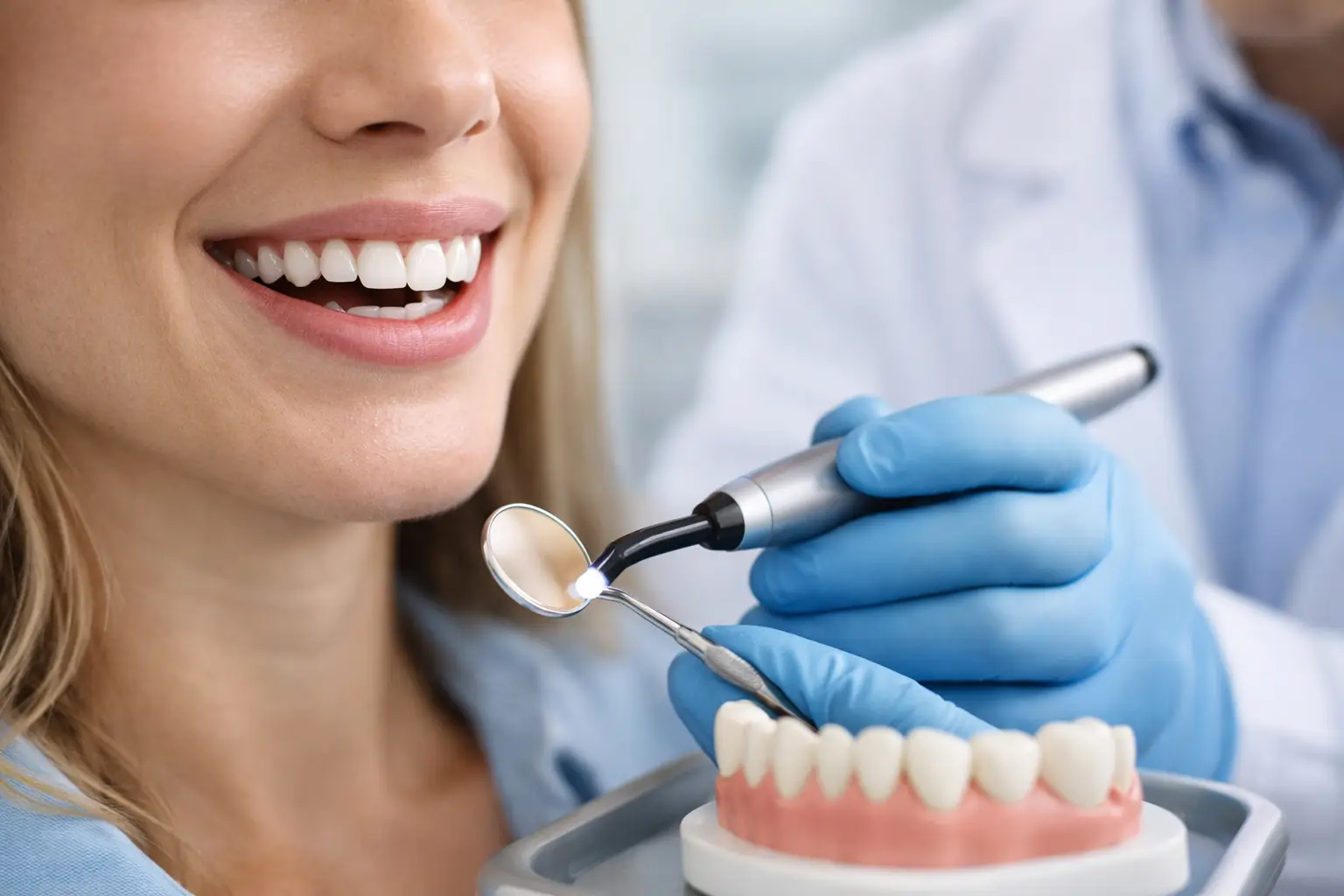
That small chip in a tooth can feel much bigger than it looks. Maybe you noticed it after biting into something hard, or maybe your tongue keeps finding a rough edge you cannot ignore. If you are wondering, can a dentist fix chipped teeth, the answer is yes in many cases, and often with treatment that is faster and more comfortable than people expect.
The right fix depends on where the chip is, how deep it goes, and whether the damage affects only the enamel or reaches the inner part of the tooth. Some chips are mainly cosmetic. Others weaken the tooth or leave it sensitive. That is why a dental exam matters – not just to smooth the tooth, but to make sure the problem is treated the right way the first time.
Can a dentist fix chipped teeth in one visit?
Sometimes, yes. Many minor chips can be repaired in a single appointment, especially when dental bonding or contouring is the best option. These treatments are often ideal for front teeth or small edge chips that have not affected the nerve.
If the chip is larger, if a piece of the tooth has broken off, or if there is pain when you bite, treatment may take more planning. A crown, veneer, or root canal may be recommended depending on the extent of the damage. In those cases, your dentist will explain what is urgent, what can wait, and what will protect the tooth long term.
This is where honest guidance matters. A small chip does not always need the most extensive treatment, but it also should not be dismissed if the tooth is vulnerable to further cracking.
What treatments can fix a chipped tooth?
There is no one-size-fits-all repair. The best treatment is based on both health and appearance.
Dental bonding
Bonding is one of the most common ways to repair a chipped tooth. A tooth-colored composite resin is shaped to rebuild the missing area, then polished to blend naturally with your smile. For many patients, this is a practical and affordable option that looks very natural.
Bonding works especially well for smaller chips on visible teeth. It is conservative, usually does not require much removal of healthy tooth structure, and can often be completed quickly. The trade-off is durability. Bonding can last for years, but it is not as strong as porcelain and may stain or wear over time.
Dental contouring
If the chip is very small, your dentist may be able to smooth and reshape the enamel. This is called contouring. It is a simple option for tiny rough spots or uneven edges that do not affect the tooth’s structure.
Contouring is not right for every chip. If too much tooth structure is missing, smoothing alone will not restore strength or appearance.
Veneers
For front teeth, veneers can be an excellent cosmetic solution when the chip is more noticeable or part of a broader smile makeover. A veneer is a thin porcelain shell placed over the front of the tooth to improve shape, color, and symmetry.
Veneers can create a beautiful result, but they are usually chosen when appearance is a major priority. They also involve more planning than bonding. If your tooth is otherwise healthy and the chip is minor, a simpler option may make more sense.
Crowns
When a chip is too large for bonding, or when the tooth has been weakened by decay, large fillings, or a deeper fracture, a crown may be the better choice. A crown covers the tooth and helps restore both strength and function.
Crowns are often recommended for back teeth that handle heavy chewing forces. They can also be the safest long-term option when preserving the remaining tooth is the main concern.
Root canal treatment and restoration
If a chip exposes the inner pulp of the tooth or causes significant pain, infection risk goes up. In that situation, root canal treatment may be needed before the tooth is restored with a filling or crown.
This sounds intimidating to many patients, but the goal is simple – remove the damaged tissue, relieve pain, and save the tooth whenever possible.
How do you know if a chipped tooth is serious?
Some chips are mild enough that you mainly notice the look or feel of the tooth. Others need prompt care. A chipped tooth is more likely to be serious if you have sharp pain, lingering sensitivity to hot or cold, swelling, bleeding, or pain when biting down. Those symptoms can point to deeper damage.
The size and location matter too. A tiny chip on a front tooth is different from a broken cusp on a molar. Back teeth absorb more pressure, so even a chip that seems manageable can worsen quickly if left untreated.
It is also worth paying attention to how the edge feels. A rough, jagged tooth can irritate your tongue or cheek and may keep breaking as you chew. Even if it is not an emergency, it is still a good idea to have it evaluated.
What to do before you see the dentist
If you chip a tooth, try not to panic. Rinse your mouth gently with warm water and save any broken piece if you can find it. If there is swelling, a cold compress on the outside of the face can help. Avoid chewing on that side, and stay away from very hard, crunchy, or sticky foods until you are seen.
If the edge is sharp, dental wax from a pharmacy can temporarily cover it. Over-the-counter pain relief may help if needed, but increasing pain is a sign not to wait too long.
A chip may seem small at first, but teeth do not heal the way skin does. Once enamel is lost, it does not grow back. Early treatment is often simpler and more affordable than waiting until the tooth breaks further.
Can a dentist fix chipped teeth permanently?
A better word is durably, not permanently. Dental repairs can last a long time, but every material has a lifespan. Bonding may need touch-ups or replacement sooner than a porcelain veneer or crown. Even strong restorations can wear down over the years, especially if you grind your teeth, chew ice, or use your teeth to open packages.
That does not mean the repair is temporary in a disappointing way. It means your dentist should recommend a solution that fits your habits, bite, and goals. For one patient, the right answer is a quick cosmetic repair. For another, a stronger restoration prevents repeated problems.
If teeth grinding contributed to the chip, a night guard may be part of the plan. Without addressing the cause, even a beautifully repaired tooth can chip again.
What if the chipped tooth does not hurt?
You should still have it checked. Pain is not the only sign of damage. Some chips involve only enamel at first, but weaken the tooth enough that a larger fracture happens later. Others create spaces where plaque can collect more easily, raising the risk of decay.
Patients sometimes put off care because the tooth looks mostly fine in the mirror. But a dentist can see whether the chip changed your bite, exposed dentin, or created a structural issue that is not obvious at home.
Repairing chipped teeth with comfort in mind
A lot of people delay treatment because they are worried the repair will be painful or complicated. In many cases, chipped tooth treatment is straightforward. Modern techniques and local anesthesia, when needed, make the process much more comfortable than patients expect.
Just as important, you deserve to feel informed. A good dental visit should include a clear explanation of what happened, which treatment options are available, what each one costs, and how long the result is likely to last. That kind of one-on-one communication helps patients feel confident instead of pressured.
At Shine & Sparkle Dentistry, that comfort-first approach matters because a chipped tooth is not just a cosmetic issue. It can affect how you eat, speak, smile, and feel about your appearance. Treating it well means paying attention to both function and confidence.
When to schedule care right away
If your chipped tooth is painful, bleeding, loose, or part of a larger dental injury, do not wait. The same is true if the chip happened after trauma to the face or if a child has a damaged permanent tooth. Quick care can make a real difference in saving tooth structure and avoiding more involved treatment.
If the chip is small and not painful, it may not be an emergency, but it is still worth scheduling soon. Small problems have a way of becoming bigger ones at inconvenient times.
The reassuring part is this: most chipped teeth can be treated successfully, and many can be restored so naturally that it is hard to tell anything ever happened. If a rough edge, visible chip, or sudden break has you second-guessing your smile, getting it looked at now is a simple step toward feeling comfortable again.