6505 W Park Blvd #132 Plano, TX 75093

How to Prevent Cavities Naturally and Safely
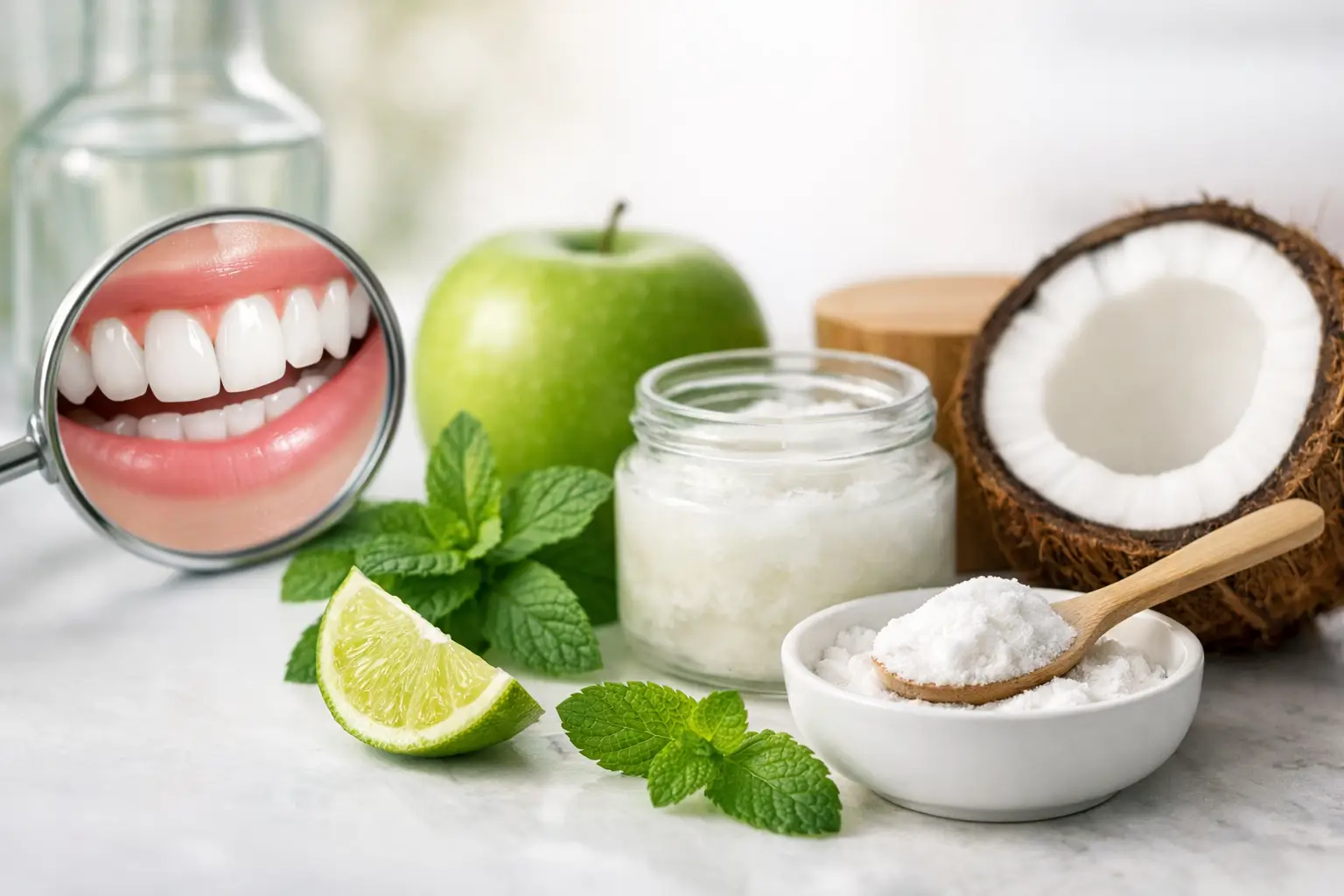
A cavity rarely starts with a dramatic toothache. It often begins quietly, when mouth bacteria repeatedly feed on sugars and starches, create acid, and gradually weaken the enamel protecting a tooth. Knowing how to prevent cavities naturally can help you make smart daily choices for yourself and your family, but it should never mean ignoring professional dental care when you need it.
Natural prevention is not about a single supplement, a trendy rinse, or cutting out every food you enjoy. It is about creating a mouth environment where enamel has a better chance to stay strong and harmful bacteria have fewer opportunities to do damage.
Start With the Habit That Matters Most
Brushing twice a day is still the foundation of cavity prevention. Use a soft-bristled toothbrush and brush for a full two minutes, reaching the outer, inner, and chewing surfaces of every tooth. Gentle, consistent brushing is more effective than scrubbing hard, which can irritate your gums and wear away tooth structure over time.
Flossing or cleaning between the teeth once a day matters just as much. Your toothbrush cannot fully clean the tight spaces where food particles and plaque collect. If traditional floss feels difficult, floss picks, a water flosser, or small interdental brushes may make the habit easier to keep. The best tool is the one you will use carefully and consistently.
For many patients, fluoride toothpaste is also an essential part of prevention. Fluoride helps enamel repair early acid damage and makes it more resistant to future attacks. Some people use the word “natural” to mean fluoride-free, but fluoride is naturally occurring and has strong evidence behind its cavity-fighting benefits when used as directed. If you prefer to avoid it or have questions about the right option for your child, ask your dentist for individualized guidance rather than relying on social media claims.
Reduce How Often Teeth Are Exposed to Sugar
It is not only the amount of sugar that affects cavities. Frequency matters. Each time you sip a sweet drink, snack on crackers, or slowly enjoy a sticky treat, bacteria can produce acid for a period afterward. Frequent grazing gives your teeth less time to recover.
That does not mean family life needs to become restrictive. Instead, try to keep sweet foods and starchy snacks with meals rather than stretching them across the day. A cookie after lunch is generally easier on teeth than small bites of cookie every hour. Choose water between meals, especially in the car, at school, or at your desk.
Be mindful of foods and drinks that seem healthy but can still create problems. Dried fruit sticks to teeth, sports drinks can be both sugary and acidic, and flavored coffees may expose teeth to sugar for hours when sipped slowly. Fresh fruit, cheese, plain yogurt, nuts, crunchy vegetables, and water are often friendlier options for teeth between meals.
Water Is a Simple Protective Choice
Plain water helps rinse away leftover food and dilute acids in the mouth. In many communities, tap water also contains fluoride at a level that supports cavity prevention. If your household mainly drinks bottled water, it may not offer that same benefit.
After an acidic drink or food, such as citrus, soda, or wine, rinse with water. Wait about 30 minutes before brushing if possible. Acid temporarily softens enamel, and brushing immediately can be more abrasive than helpful.
Support Saliva, Your Mouth’s Natural Defense
Saliva does more than keep your mouth comfortable. It washes away food debris, neutralizes acids, and delivers minerals that support enamel remineralization. A dry mouth leaves teeth more vulnerable to cavities, especially around the gumline and along old dental work.
Stay hydrated throughout the day, and consider sugar-free gum after meals if it is comfortable for your jaw. Chewing gum stimulates saliva flow. Look for gum sweetened with xylitol, a sugar substitute that may help reduce the growth of cavity-causing bacteria. It is a helpful addition, not a replacement for brushing and flossing.
Dry mouth can happen because of medications, mouth breathing, medical conditions, chemotherapy, or simply not drinking enough water. If you wake up with a dry mouth, constantly need a drink to swallow food, or notice more cavities than usual, bring it up at your dental visit. There may be practical solutions, from a medication review with your physician to protective products designed for dry-mouth relief.
Eat for Stronger Teeth, Not Just Cleaner Teeth
No food can “cure” decay, but a balanced diet gives your body materials it needs to support healthy teeth and gums. Calcium-rich choices such as milk, yogurt, cheese, fortified plant beverages, and leafy greens support overall tooth and bone health. Vitamin D helps the body use calcium, while protein and nutrient-rich foods support healthy gum tissue.
Try not to treat crunchy produce as a substitute for brushing. Apples, celery, and carrots can be satisfying choices, but they do not remove plaque the way a toothbrush and floss do. They are part of a tooth-friendly eating pattern, not a natural cleaning treatment.
It also helps to be cautious with highly acidic wellness habits. Lemon water, apple cider vinegar drinks, and frequent kombucha may be popular, but repeated acid exposure can erode enamel. If you enjoy them, have them with a meal, avoid holding them in your mouth, rinse with water afterward, and do not brush immediately.
How to Prevent Cavities Naturally for Children
Children need help building routines long before they can manage them alone. Brush a young child’s teeth twice daily using a rice-sized smear of fluoride toothpaste for children under age 3 and a pea-sized amount for ages 3 to 6. Parents should do the brushing or closely supervise until the child has the coordination to clean thoroughly, often around ages 7 or 8.
Avoid putting a child to bed with a bottle or sippy cup containing milk, juice, or anything sweetened. Water is the safer bedtime choice once teeth are present. Even natural sugars in milk and juice can feed cavity-causing bacteria when they remain on teeth overnight.
A child with no tooth pain can still have early decay. Routine visits let the dental team watch tooth development, spot concerns early, and help your family feel confident about home care without judgment.
Know What Natural Care Cannot Fix
Early enamel weakening can sometimes be strengthened through better home care, fluoride, and dietary changes. But once a cavity creates a physical hole in the tooth, it does not grow back on its own. Oils, charcoal products, salt rinses, and herbal remedies may make a mouth feel fresh, but they cannot remove decay or rebuild lost tooth structure.
Watch for sensitivity to cold or sweets, pain when biting, a dark spot, a rough area that catches floss, persistent bad breath, or a toothache that comes and goes. These symptoms deserve a dental exam, even if they improve temporarily. Treating a small cavity is generally simpler, more comfortable, and less costly than waiting until infection or significant tooth damage develops.
Make Prevention Personal
Cavity risk is not the same for everyone. A person with dry mouth, frequent snacking, gum recession, orthodontic appliances, diabetes, or a history of repeated decay may need more than standard advice. Regular cleanings and exams give your dentist a chance to identify patterns, check areas you cannot see, and recommend care that fits your needs.
At Shine & Sparkle Dentistry, we believe preventive care should feel clear, gentle, and personal. Whether you are helping a child improve brushing habits or trying to protect a smile that has needed dental work before, honest guidance can make the next step feel manageable.
Small choices add up: drink water after lunch, keep a floss pick in your bag, choose a tooth-friendly snack, and schedule the checkup you have been putting off. Those steady routines give your smile the best chance to stay healthy for years to come.