6505 W Park Blvd #132 Plano, TX 75093

Partial Dentures: A Comfortable Path Back to Smiling
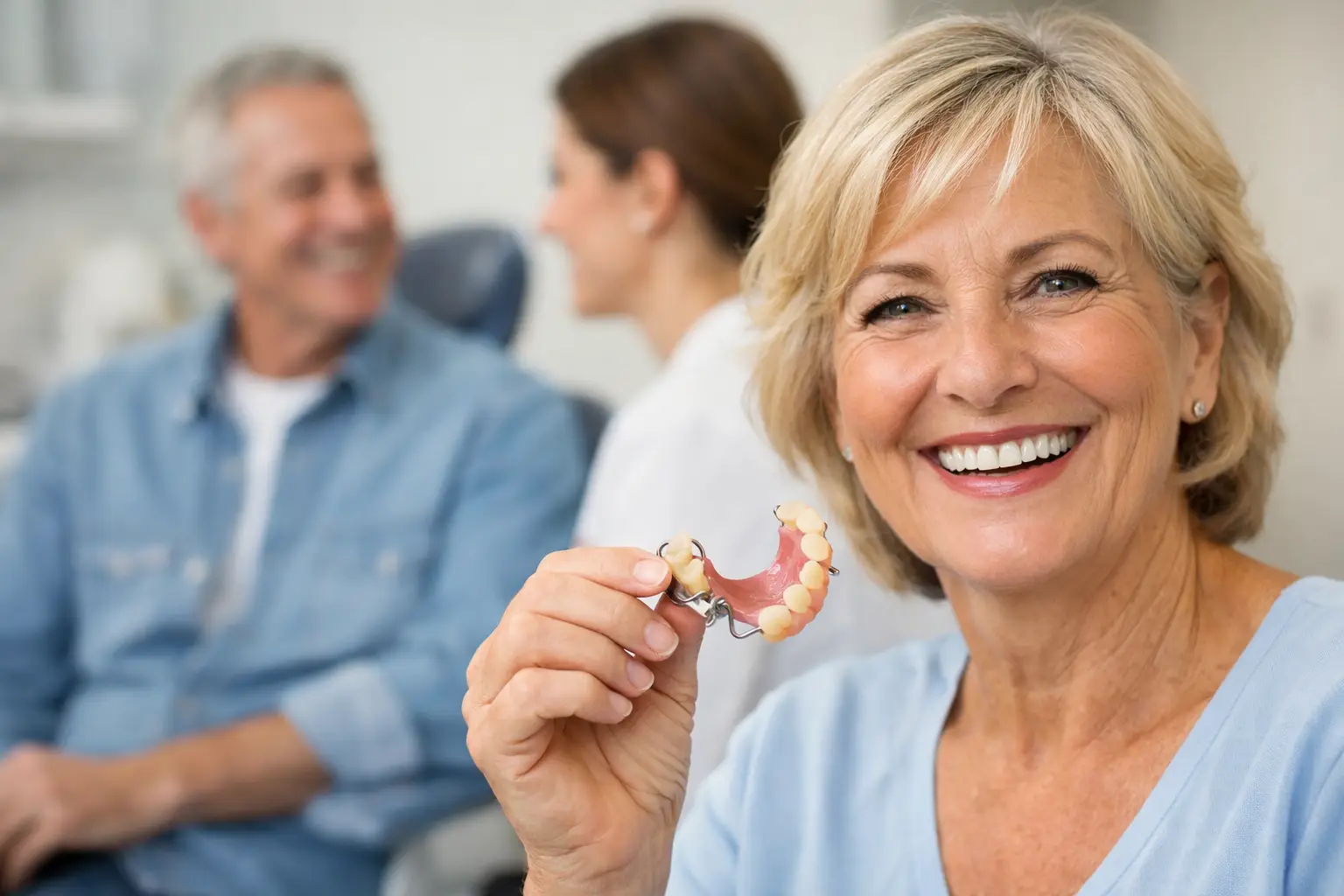
A missing tooth can change more than a photograph. It can make favorite foods harder to enjoy, affect the way you speak, and leave you thinking twice before you smile. Partial dentures offer a practical, affordable way to replace one or more missing teeth while restoring everyday comfort and confidence.
For many patients, the right tooth-replacement solution is not about choosing the most complex treatment. It is about finding an option that feels secure, looks natural, fits their health needs, and works for their budget. A personalized dental exam is the best place to start.
What Are Partial Dentures?
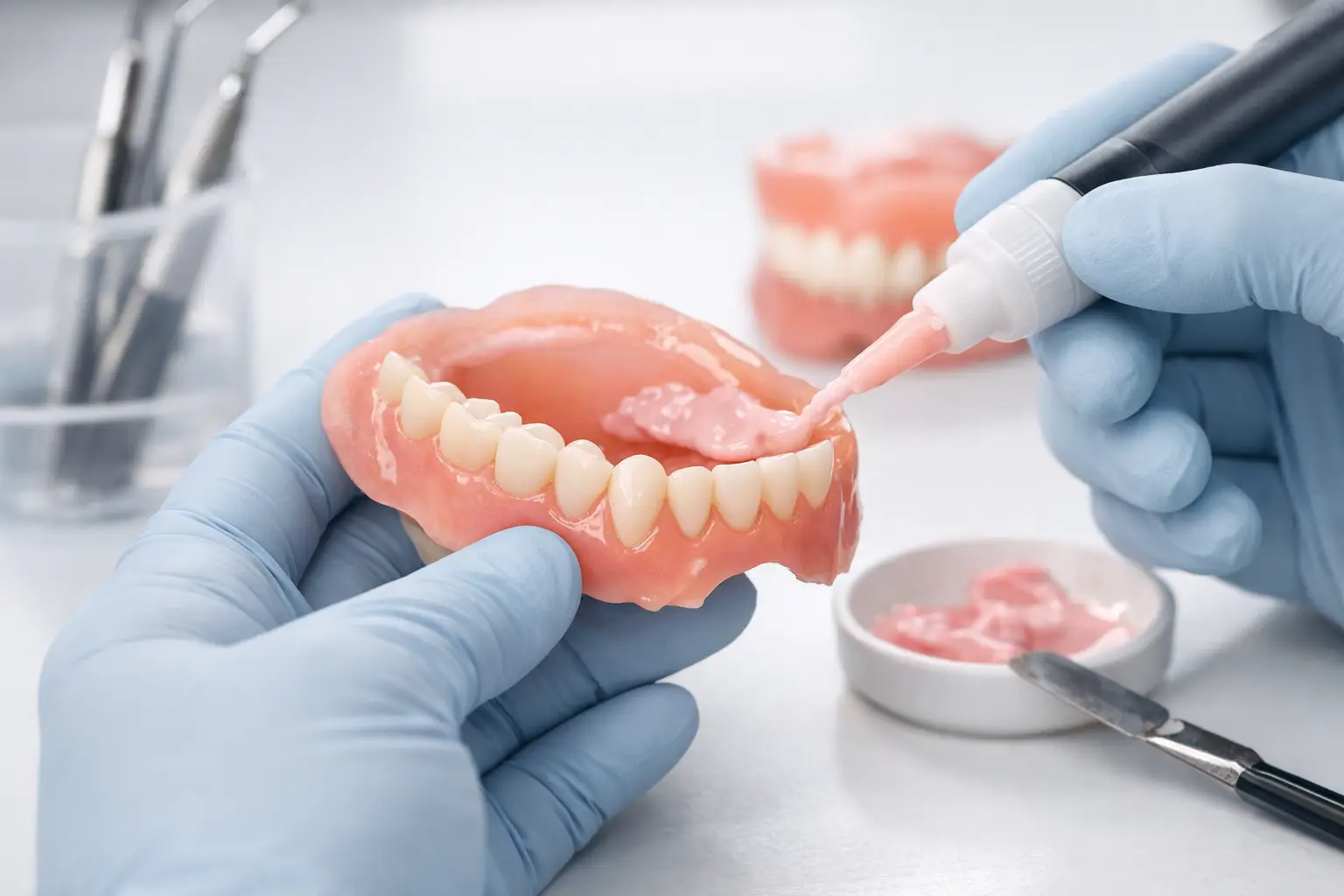
Partial dentures are removable appliances designed to fill gaps created by missing teeth. They include lifelike replacement teeth set into a gum-colored base. The appliance is custom-made to fit around your remaining natural teeth, helping it stay in place while supporting a fuller-looking smile.
Unlike a full denture, which replaces all teeth in an upper or lower arch, a partial denture is used when healthy natural teeth remain. Those teeth can provide useful support, and replacing the missing teeth can help preserve the spacing and balance of your bite.
Modern partial dentures are not one-size-fits-all. A dentist considers the location of the missing teeth, the condition of the supporting teeth and gums, your bite, and the appearance you want to achieve. The goal is a restoration that feels comfortable in daily life and blends naturally with your smile.
Why Replacing Missing Teeth Matters
It can be tempting to wait when a missing tooth is not painful or is hidden from view. However, open spaces in your smile can create changes over time. Nearby teeth may gradually shift toward the gap, which can affect alignment and make cleaning more difficult. The teeth in the opposite arch may also move or over-erupt because they no longer have a tooth to bite against.
Missing teeth can also change how pressure is distributed when you chew. This may place extra strain on the remaining teeth and lead you to favor one side of your mouth. A partial denture can restore some of that lost support, making meals, conversation, and smiling feel more natural again.
Types of Partial Dentures
The best material depends on your oral health, the number of teeth being replaced, where they are located, and your goals for appearance and cost. Your dentist should explain the advantages and limitations of each option clearly before you decide.
Acrylic Partial Dentures
Acrylic partial dentures have a molded plastic base that rests against the gums. They are often a more affordable option and may be used as a temporary solution while the mouth heals after extractions or while a more permanent restoration is being planned.
Because acrylic is generally thicker than other materials, it can feel bulkier at first. Some patients adjust well, while others prefer a thinner option for long-term wear. Regular follow-up visits are particularly helpful because the fit of an acrylic denture may need adjustment as the gums and bone change.
Metal Framework Partial Dentures
A cast metal partial denture uses a thin, durable metal framework with acrylic and replacement teeth attached. It is usually more stable and less bulky than an all-acrylic appliance. Small clasps may rest around selected natural teeth to help keep it secure.
This option can be an excellent long-term choice when the supporting teeth and gums are healthy. The trade-off is that it may cost more initially, and the clasps can sometimes be visible depending on where the denture sits in the mouth.
Flexible Partial Dentures
Flexible partial dentures use a soft, flexible material that can blend attractively with gum tissue. They do not use traditional metal clasps, which appeals to patients who want a more discreet appearance.
Comfort and appearance can be strong benefits, but flexible materials are not right for every case. They can be more difficult to adjust or repair, and they may not provide the same level of support as a metal framework when extensive tooth replacement is needed.
What to Expect During the Process
Getting partial dentures begins with a thorough evaluation of your teeth, gums, bite, and jawbone. Digital imaging and impressions help the dentist plan an appliance that fits your mouth accurately. If gum disease, decay, or damaged teeth are present, those concerns should be addressed first so the denture has a healthier foundation.
After the design is planned, impressions are used to create your custom appliance. You may have a try-in appointment to review the shape, color, and position of the replacement teeth before the final denture is completed. This step helps ensure the result looks like it belongs in your smile, not like it was added to it.
When you receive your partial denture, a short adjustment period is normal. Your mouth is learning to work with something new. You may notice extra saliva, minor pressure points, or slight changes in speech for the first few days. Reading aloud and starting with softer foods can help you adapt. Persistent sore spots are not something to push through – call your dental office so the fit can be adjusted.
Eating and Speaking With a Partial Denture
Most people can return to comfortable eating and speaking with practice. Begin with softer foods cut into small pieces, and chew slowly on both sides of your mouth when possible. As you become more comfortable, you can introduce a broader range of foods.
Very sticky, hard, or chewy foods may still require extra care. Caramel, gum, tough meats, and hard nuts can pull on or dislodge a removable appliance. This does not mean you cannot enjoy the foods you love, but it does mean paying attention to how your denture responds and making sensible adjustments.
Speech usually improves quickly. Certain sounds may feel different at first, especially if the denture replaces front teeth. Practice is often the answer, but a denture that clicks, shifts, or continues to interfere with speech may need a professional adjustment.
Caring for Partial Dentures and Your Natural Teeth
A partial denture needs daily care, just like natural teeth. Remove it after meals when possible and rinse away food particles. Brush it gently with a soft denture brush and a cleaner made for dentures. Regular toothpaste can be too abrasive for some denture materials and may leave small scratches where plaque can collect.
Clean your remaining teeth thoroughly, especially around clasps and near the gumline. Flossing, brushing, and routine dental visits remain essential because the success of a partial denture depends heavily on the teeth and gums supporting it.
When the denture is out, store it safely in water or a denture-soaking solution recommended by your dentist. Never wrap it in a napkin, where it can easily be thrown away, and keep it away from hot water, which can warp the material. Most patients should remove partial dentures at night to give the gums a rest, unless their dentist recommends otherwise.
Partial Dentures Compared With Other Options
A dental bridge and dental implants can also replace missing teeth. A bridge is fixed in place and may be a good choice when the neighboring teeth already need crowns. Dental implants replace the tooth root with a small post in the jawbone and can support a crown, bridge, or implant-retained denture. They often provide exceptional stability, but treatment requires surgery, healing time, and a higher initial investment.
Partial dentures are removable, usually require less invasive treatment, and can replace several teeth with one appliance. They are often an appealing solution for patients who need to restore their smile sooner or who are not ready for implant treatment. In some cases, a partial denture can also serve as a temporary step while planning future implant care.
There is no single best choice for every smile. The right recommendation should be based on your health, goals, timeline, and finances – never on pressure.
When Should You Call the Dentist?
A partial denture should not cause ongoing pain. Schedule a visit if you notice sore spots, a loose fit, cracks, broken clasps, clicking, difficulty chewing, or changes in how your bite comes together. Do not try to bend clasps or repair the appliance at home. Household glues and do-it-yourself adjustments can damage the denture and irritate your mouth.
Your fit can change over the years as gums and jawbone naturally shift. Relining, repair, or replacement may eventually be needed. Regular exams make it easier to catch these changes early and keep your appliance working comfortably.
At Shine & Sparkle Dentistry, we believe restoring missing teeth should feel clear, personal, and reassuring. If you are living with gaps in your smile or struggling with an older appliance, a thoughtful conversation can help you move toward a solution that lets you eat, speak, and smile with greater ease.