6505 W Park Blvd #132 Plano, TX 75093

How to Clean Teeth With Braces the Right Way
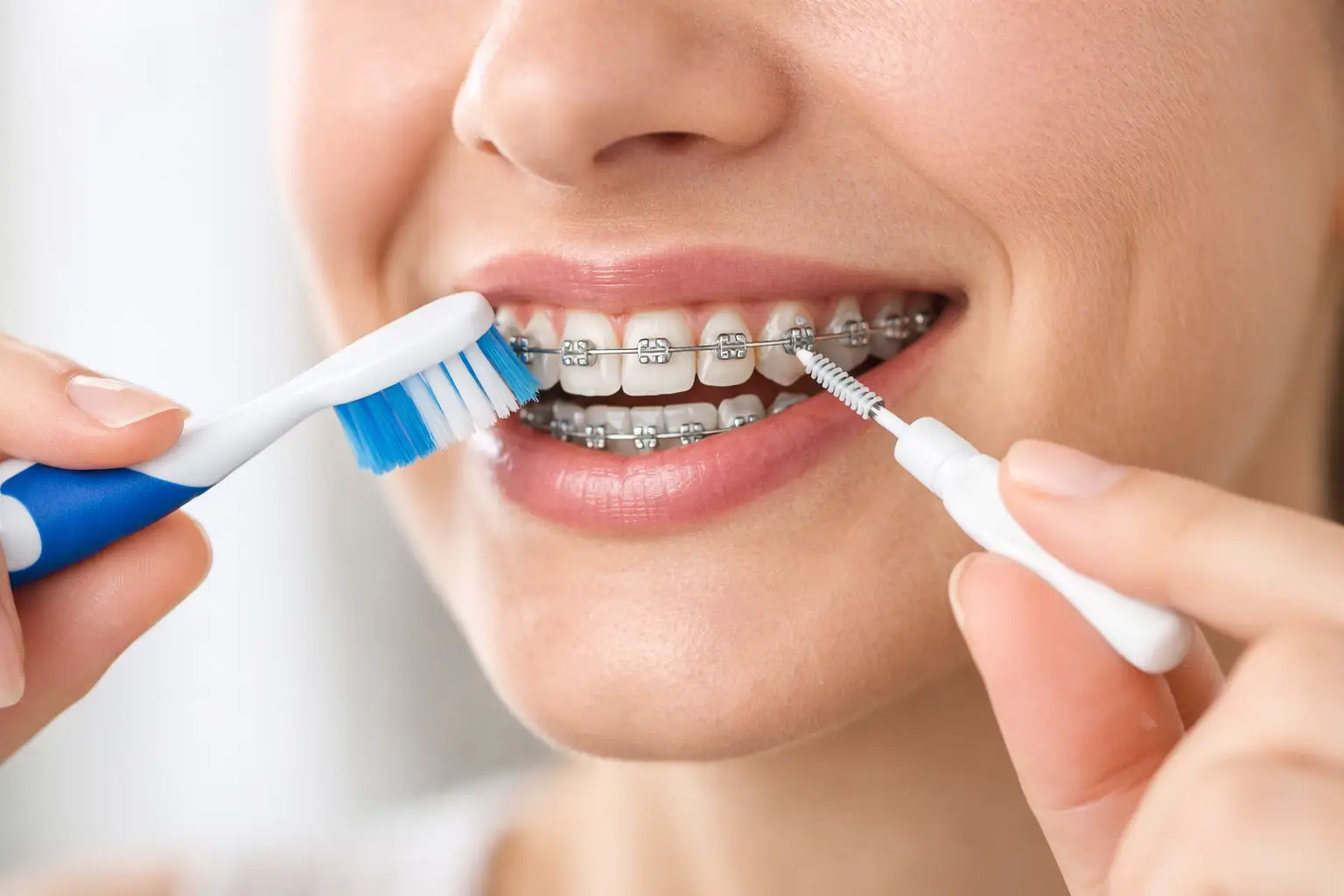
Braces are doing meaningful work behind the scenes, moving teeth into healthier alignment one small adjustment at a time. The trade-off is that brackets and wires create extra places for food and plaque to hide. Knowing how to clean teeth with braces can protect your gums, reduce the risk of cavities and white spots, and help your finished smile look as healthy as it does straight.
A little extra attention is not about chasing perfection. It is about building a reliable routine that works on busy school mornings, after lunch at work, and before bed. With the right tools and a few careful habits, keeping braces clean becomes manageable.
Why braces need a different brushing routine
A toothbrush normally has a fairly smooth path across the front, back, and chewing surfaces of each tooth. With braces, plaque can gather around the edges of brackets, beneath wires, and along the gumline. If it stays there, the bacteria in plaque feed on sugars and produce acids that can irritate gums and weaken enamel.
One concern during orthodontic treatment is decalcification, which can appear as chalky white marks after braces come off. These marks do not mean braces caused the problem. They usually develop when plaque remains on the enamel for long periods. Consistent cleaning and fluoride toothpaste give your teeth the support they need while they are moving.
How to clean teeth with braces step by step
Plan to brush at least twice a day for a full two minutes, especially before bed. Brushing after meals is even better when you can manage it, since food often catches around brackets. If brushing is not practical right away, rinse thoroughly with water and brush as soon as you are able.
Start with a soft-bristled toothbrush
Use a soft-bristled manual toothbrush or an electric toothbrush with a soft brush head. Hard bristles and aggressive pressure can irritate gums and wear down enamel, so gentle, deliberate brushing is more effective than scrubbing.
Apply a pea-sized amount of fluoride toothpaste. Begin at the gumline, holding the brush at a slight angle toward the gums. Use small circles or short back-and-forth motions along the outer and inner surfaces of every tooth. The gumline deserves extra care because it is easy to miss when your attention is focused on the brackets.
Next, angle the brush down above each bracket and then up beneath it. Brush across the face of the bracket, around its sides, and under the wire. Move tooth by tooth rather than rushing across the whole row. Finish by cleaning the chewing surfaces and your tongue, where bacteria can contribute to bad breath.
An electric toothbrush can make this routine easier for many patients, particularly if they tend to brush too quickly. A manual brush can work just as well when used carefully. The best choice is the one you will use consistently and comfortably.
Clean between teeth every day
Flossing with braces takes more patience, but it is one of the most valuable parts of your routine. A floss threader lets you guide floss under the orthodontic wire, then move it gently between two teeth. Curve the floss around one tooth in a C shape, slide it up and down a few times, then repeat against the neighboring tooth before moving on.
Pre-threaded orthodontic flossers can be convenient, especially for children, teens, or adults who are away from home during the day. They may not reach every area as thoroughly as traditional floss used with a threader, but they are far better than skipping between-tooth cleaning altogether.
A water flosser is another helpful option. Aim the stream along the gumline and around brackets to flush out loose food particles. It can be especially useful for hard-to-reach back teeth and for patients who find string floss challenging. Still, a water flosser is best viewed as a helpful addition, not an automatic replacement for flossing between teeth.
Use a small interdental brush for brackets
An interdental brush, sometimes called a proxy brush, can fit between the wire and your teeth. Slide it gently around brackets and beneath the wire without forcing it. This small tool is excellent for removing food after meals and can make a noticeable difference in areas a toothbrush misses.
Keep one in a backpack, desk drawer, or purse if possible. It is a practical way to freshen up after a salad, sandwich, or other meal that tends to linger in braces.
Rinse with purpose
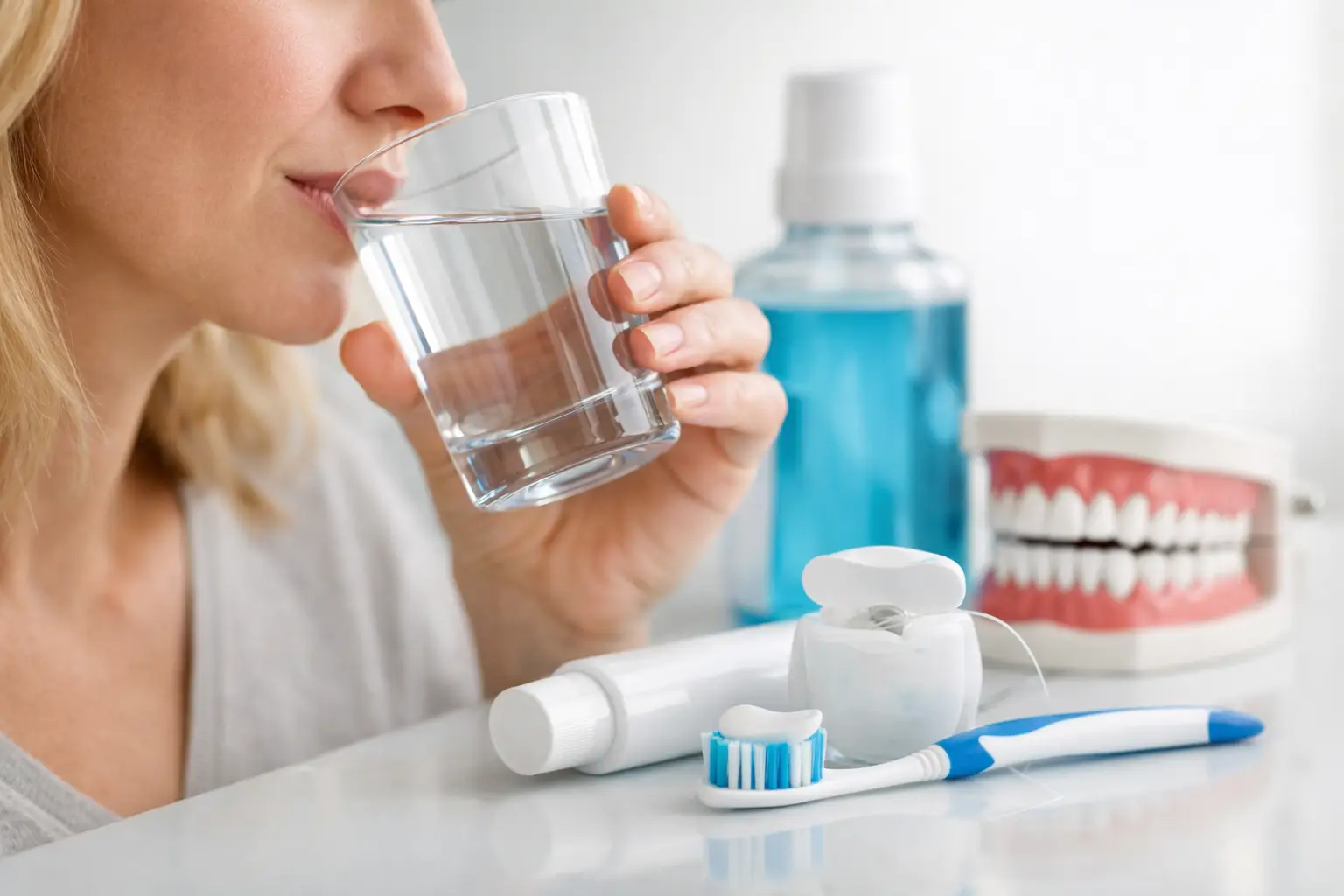
After brushing and flossing, rinse with water to clear away loosened debris. A fluoride mouth rinse may provide additional cavity protection, particularly for patients who are more prone to decay or have early white spots. Your dentist or orthodontist can recommend the right type and schedule for your smile.
Avoid using mouthwash as a substitute for brushing or flossing. Rinses can support a good routine, but they cannot physically remove the sticky plaque that collects around brackets.
A routine that works outside your bathroom
Braces do not pause for school, meetings, sports practices, or family dinners. A compact braces-care kit can make daily cleaning less stressful when you are away from home. Consider keeping a travel toothbrush, fluoride toothpaste, interdental brushes, flossers, and orthodontic wax together in a small pouch.
After eating, take a quick look in a mirror if one is available. Spinach, popcorn hulls, and small pieces of meat or bread can catch in places you may not feel. A water rinse followed by an interdental brush is often enough to handle the immediate situation until you can brush properly.
What you eat also affects how easy braces are to clean. Sticky candy, caramel, gum, and chewy snacks can cling around brackets and increase cavity risk. Hard foods such as ice, popcorn kernels, and hard candy may bend wires or loosen brackets. Cutting crunchy fruits and vegetables into smaller pieces and choosing lower-sugar snacks can help protect both your braces and your enamel.
Common cleaning mistakes to avoid
The most common problem is brushing the visible front of the brackets while missing the gumline and the areas directly above and below the wire. Slow down enough to change the angle of your brush. Those small adjustments matter.
Another mistake is waiting until bedtime to remove food that has been trapped since lunch. Bedtime brushing is essential, but cleaning after meals when possible lowers the amount of time plaque and sugars sit against your teeth.
Do not stop flossing because your gums bleed a little at first. Bleeding can be a sign of gum inflammation from plaque buildup. Gentle daily flossing often improves this over time. However, bleeding that is heavy, persistent, or accompanied by swelling or pain deserves a call to your dental team.
Finally, avoid trying to repair a loose bracket or poking wire yourself. Orthodontic wax can temporarily cover an irritating area, but contact your orthodontist for guidance. A damaged appliance can trap more food and may affect treatment if it is left unaddressed.
Keep regular dental cleanings during orthodontic care
Professional cleanings remain essential while you have braces. Your dental hygienist can remove hardened tartar that brushing and flossing cannot remove at home, check your gums, and point out areas that need more attention. Regular exams also allow your dentist to watch for early cavity changes before they become larger problems.
For patients in Plano who want gentle, personalized support throughout orthodontic treatment, Shine & Sparkle Dentistry can help coordinate preventive care with your braces routine. Clear guidance, regular cleanings, and a comfortable visit can make it easier to stay confident in your oral health from the first bracket to the final reveal.
If your routine feels time-consuming at first, give yourself a little grace. The goal is not a flawless technique on day one. It is a few careful minutes, repeated every day, that protect the smile you are working so hard to create.