6505 W Park Blvd #132 Plano, TX 75093

How to Clean Retainers Safely Without Damaging Them
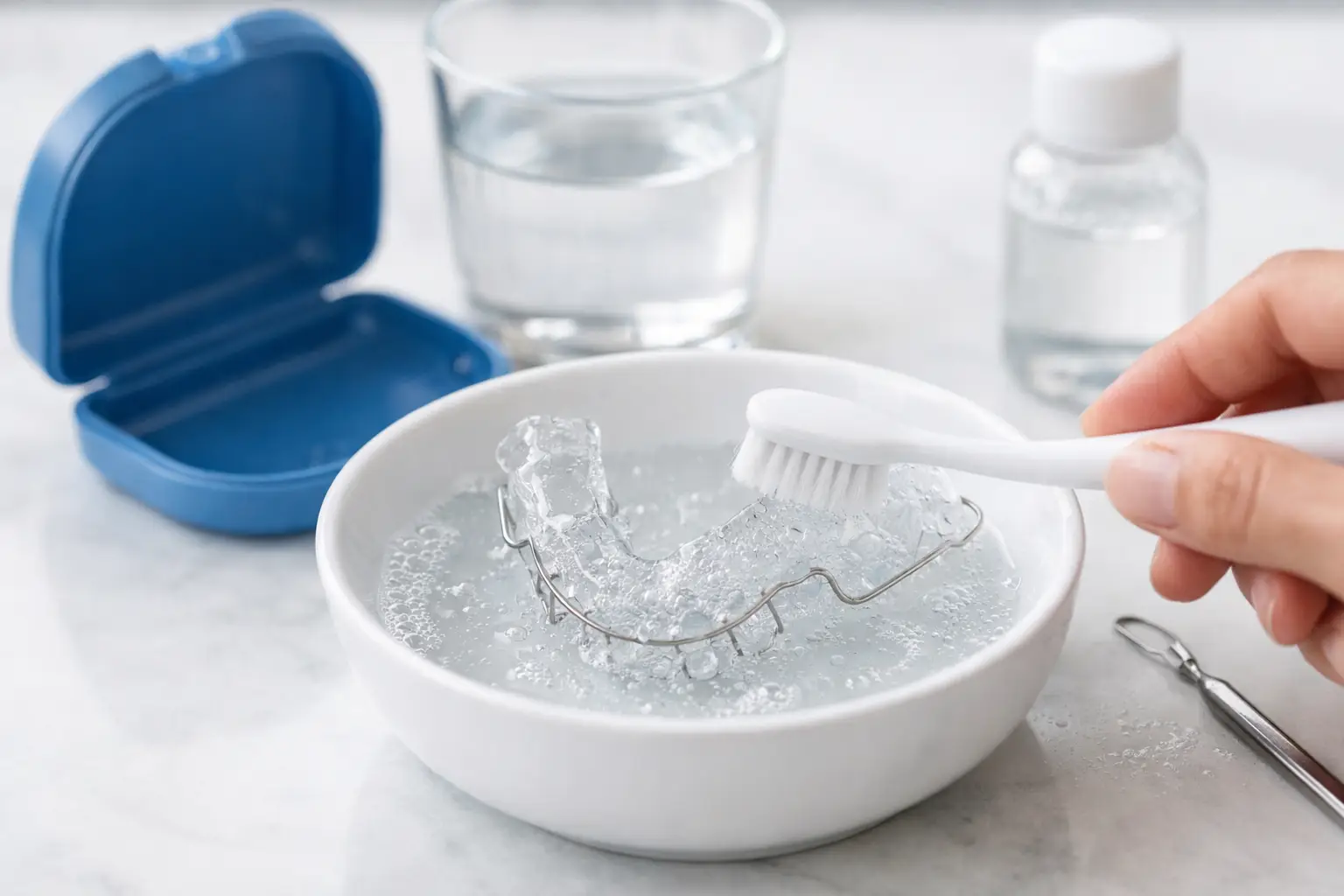
A retainer may be small, but it plays a major role in protecting the smile you worked hard to achieve. Knowing how to clean retainers safely helps prevent unpleasant odors, cloudy plastic, bacterial buildup, and avoidable damage that can interrupt your orthodontic results.
Whether you wear a clear removable retainer or a traditional wire-and-acrylic style, a few gentle habits can keep it fresh and comfortable. The key is cleaning it consistently without using heat, harsh chemicals, or abrasive products that can warp or scratch the material.
Why Retainer Cleaning Deserves Daily Attention
Retainers sit closely against your teeth and gums for hours at a time. Like your teeth, they collect saliva, food particles, plaque, and bacteria. If the retainer is not cleaned regularly, that buildup can lead to a sour smell, a filmy appearance, or an unpleasant taste when you put it back in.
A dirty retainer does not automatically mean you have poor oral hygiene. Mineral deposits can accumulate even when you brush and floss carefully, especially if you wear your retainer overnight. Still, cleaning both your mouth and your appliance each day gives you the best chance of maintaining a healthy, confident smile.
Clear retainers deserve special care because they can become scratched easily. Those tiny scratches create places where plaque can cling, making the retainer harder to clean over time. Traditional Hawley retainers can also collect buildup around the wire and in the acrylic base.
How to Clean Retainers Safely Every Day
The simplest routine is also the most effective: rinse your retainer every time you remove it, then give it a gentle cleaning before you put it back in. Do not let saliva dry on the surface if you can help it. Dried residue is more difficult to remove and can contribute to odor.
Start by washing your hands. Rinse the retainer under cool or lukewarm running water, never hot water. Heat can distort clear plastic retainers, and even slight warping can affect how they fit over your teeth.
Next, use a soft toothbrush reserved only for your retainer. Apply a small amount of mild, clear liquid soap and brush gently on all surfaces, including around wire components if you have a Hawley retainer. Rinse thoroughly so no soap residue remains before placing it back in your mouth.
For many patients, this daily approach is enough to manage routine plaque and keep the retainer feeling fresh. It is also a good moment to inspect the appliance for cracks, rough edges, loose wires, or areas that no longer fit as securely as they once did.
Clean Your Teeth Before Reinserting It
A retainer is only as clean as the mouth it goes into. Brush twice daily, floss every day, and rinse after meals when brushing is not possible. Before wearing your retainer at night, brushing and flossing removes food particles and plaque that could otherwise get trapped beneath it.
If you drink coffee, tea, soda, or colored sports drinks, remove your retainer first whenever possible. These beverages can stain clear plastic and may leave sugars or acids against your teeth. Plain water is the safest choice while wearing any removable retainer.
Safe Ways to Deep Clean a Retainer
Even with good daily brushing, retainers may develop cloudy spots or mineral deposits. A deeper clean about once a week can help, though the right method depends on the type of retainer you have and your dentist’s instructions.
A retainer-cleaning tablet designed for orthodontic appliances can be a convenient option. Follow the package directions carefully, including soaking time. Longer is not necessarily better. After soaking, gently brush the retainer with a soft brush and rinse it well with cool water.
For some retainers, a short soak in a solution of equal parts cool water and white vinegar may help loosen mineral buildup. This should be occasional rather than a daily practice. Afterward, brush gently and rinse thoroughly. If your retainer has metal parts, has recently been repaired, or you are unsure of its material, ask your dental team before trying a soak.
It depends on the amount and type of buildup. A thin, cloudy film may come off with a gentle cleaning tablet or dentist-approved soak. Hard, crusty deposits may need professional attention. Scraping aggressively at a retainer can scratch, crack, or weaken it, so it is better to bring it in than force the issue at home.
What Not to Use on Your Retainer
A few common cleaning shortcuts can do more harm than good. Avoid toothpaste, particularly whitening or tartar-control formulas. Toothpaste is made for enamel, which is much harder than retainer plastic. Its abrasives can leave fine scratches that make clear retainers look dull and hold more bacteria.
Do not use hot or boiling water, put your retainer in the dishwasher, or leave it in a hot car. Clear retainers are especially vulnerable to heat. Once a retainer warps, it may no longer fit correctly, and wearing an ill-fitting appliance can cause discomfort or unwanted tooth movement.
Bleach, alcohol-based mouthwash, and harsh household cleaners are also poor choices. They may damage the retainer’s materials or leave behind substances you should not place in your mouth. Denture cleaners can be too strong for some clear retainers and may discolor metal components, so use them only if your dentist specifically recommends one for your appliance.
Avoid using sharp tools, stiff-bristled brushes, or paper towels to scrub away buildup. It may feel satisfying in the moment, but it can leave permanent scratches or create small cracks where bacteria can collect.
Storage Habits That Protect Your Retainer
A clean retainer needs a clean home. Whenever you take it out, place it in its protective case rather than wrapping it in a napkin or setting it on a counter. Retainers are commonly lost in restaurants, thrown away with lunch napkins, or damaged by pets that mistake them for a chew toy.
Rinse and air-dry the case regularly, too. A sealed case that stays damp can develop odor and bacterial growth. If you are storing your retainer for more than a short time, make sure it is clean and fully dry first.
Keep a spare case in a backpack, purse, gym bag, or desk drawer if you regularly eat away from home. That small bit of preparation makes it much easier to protect your retainer during a busy day.
When a Retainer Needs Professional Care
Schedule a dental visit if your retainer has a persistent odor, heavy buildup that will not come off gently, cracks, sharp edges, a loose wire, or a poor fit. Do not try to bend a wire or repair broken plastic yourself. A repair that seems minor can change the fit of the appliance and affect how it holds your teeth.
You should also call if a clear retainer suddenly feels very tight, painful, or loose. Teeth can shift when a retainer is not worn as directed, but an appliance should not cause ongoing pain. Your dentist can assess the fit and help you understand whether adjustment, repair, or replacement is the safest option.
At Shine & Sparkle Dentistry, patients can receive clear guidance on retainer care, fit concerns, and orthodontic follow-up in a comfortable setting. A quick evaluation is often much easier than dealing with a broken retainer or preventable tooth movement later.
A Simple Routine You Can Stick With
The best retainer-cleaning method is the one you will actually do every day. Rinse it when you remove it, brush it gently with mild soap and a soft brush, clean your teeth before putting it back in, and store it in its case. Add an occasional dentist-approved deeper clean if you notice film or buildup.
Your retainer protects the alignment of your smile long after orthodontic treatment ends. Treat it with the same care you give your teeth, and if something about its appearance, smell, or fit seems off, let your dental team take a look before a small concern becomes a bigger one.