6505 W Park Blvd #132 Plano, TX 75093

Best Options for Missing Teeth That Fit Your Life
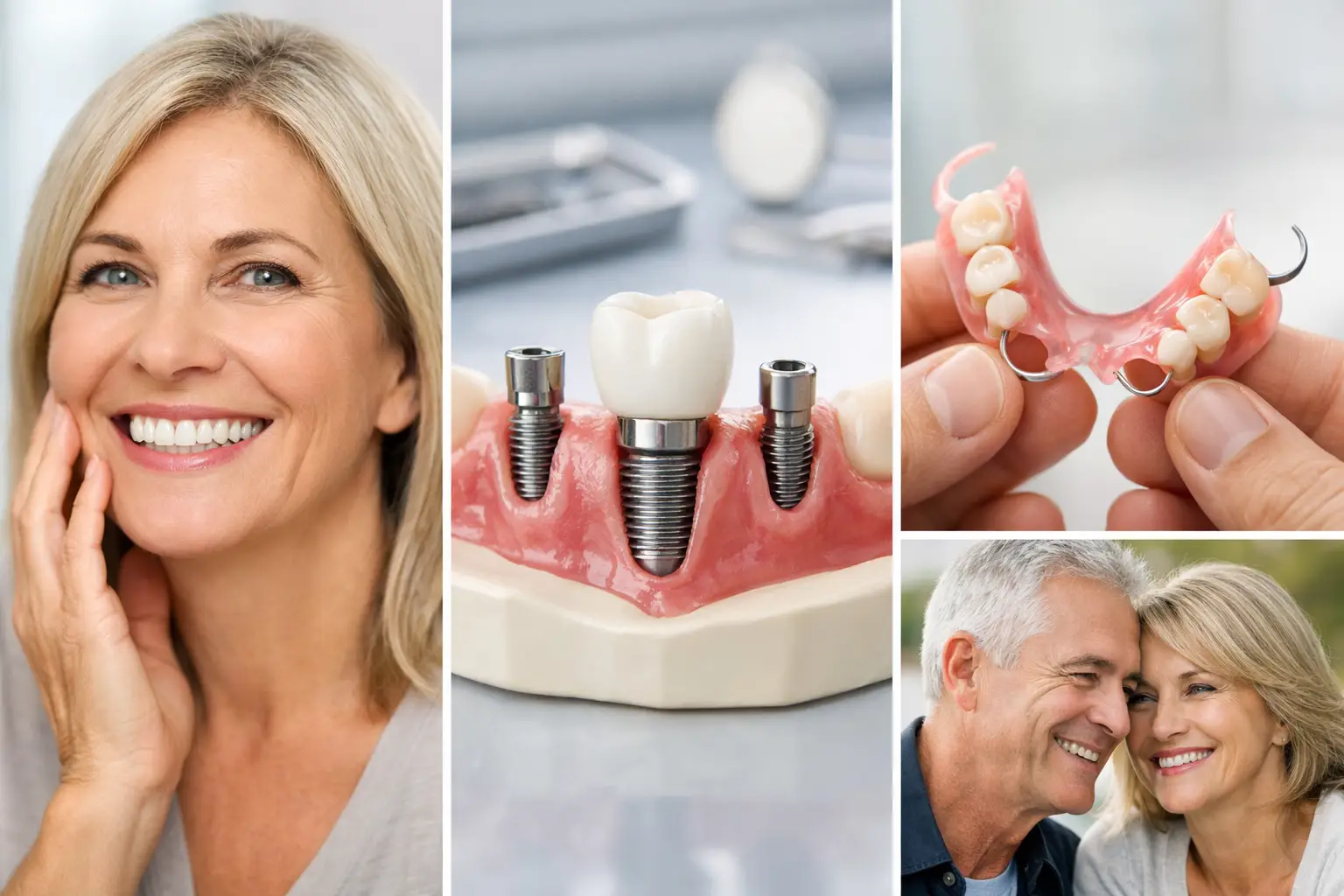
A missing tooth can change more than the way your smile looks in photos. It can make it harder to chew comfortably, affect your speech, and leave nearby teeth without the support they need. The best options for missing teeth depend on where the tooth is located, how many teeth are missing, the health of your gums and jawbone, and what feels manageable for your lifestyle and budget.
There is no one-size-fits-all answer, and that is good news. A thoughtful treatment plan should be personal, clear, and based on what will help you feel comfortable, confident, and able to protect your oral health over time.
Why Replacing Missing Teeth Matters
When a tooth is lost, the space does not always stay quiet. Neighboring teeth may gradually shift toward the gap, which can change your bite and make brushing and flossing more difficult. A missing back tooth can also cause you to chew more on one side, placing extra stress on other teeth and your jaw.
If a tooth has been missing for a longer period, the jawbone beneath it can begin to lose volume because it is no longer receiving stimulation from a tooth root. This does not mean every missing tooth needs the same treatment right away, but it does explain why an early conversation with a dentist can give you more choices.
Replacing a tooth can help restore everyday function, support a balanced bite, and give your smile a more complete appearance. For many patients, it also brings back something less clinical but equally meaningful: the freedom to laugh, eat, and speak without worrying about a visible gap.
Best Options for Missing Teeth: A Closer Look
Dental implants
A dental implant replaces the root of a missing tooth with a small post placed in the jawbone. After the area heals, a custom crown, bridge, or denture can be attached to create a stable replacement that looks and functions much like a natural tooth.
For a single missing tooth, an implant topped with a crown is often an excellent choice because it does not require reshaping the teeth beside the gap. For several missing teeth, implants can support a bridge. For a full arch of missing teeth, a limited number of implants may support a more secure denture.
Implants are valued for their stability and long-term potential. They can also help preserve jawbone in the area of the missing tooth. The trade-off is that treatment takes time and involves a surgical procedure. Some patients may need additional care, such as bone grafting, before an implant can be placed. Implant treatment can also carry a higher upfront cost than some alternatives, although its durability may make it a worthwhile investment for the right patient.
Good candidates generally have healthy gums, adequate bone support, and a commitment to daily home care and regular dental visits. Even if you have been told you do not have enough bone for implants, an evaluation can clarify whether preparatory treatment may make them possible.
Dental bridges
A dental bridge fills the space left by one or more missing teeth by anchoring a replacement tooth to nearby teeth or implants. A traditional bridge is supported by crowns placed over the teeth on either side of the gap. The artificial tooth between them is designed to blend with your surrounding smile.
Bridges are a practical, fixed option for many patients. Unlike a removable appliance, a bridge stays in place and can restore chewing function relatively quickly. It may be especially sensible when the neighboring teeth already have large fillings, crowns, or other reasons to benefit from added protection.
The main consideration is that a traditional bridge requires preparation of the supporting teeth. A bridge also needs careful cleaning underneath the replacement tooth to help protect the gums and supporting teeth. With good care, a well-made bridge can serve a patient for many years.
Partial dentures
A removable partial denture is designed to replace one or several missing teeth while fitting around the remaining natural teeth. It may use a gum-colored base and replacement teeth, with clasps or other attachments that help hold it in place.
Partial dentures are often one of the more affordable ways to replace multiple teeth, particularly when missing teeth are located in different areas of the mouth. They can restore appearance and improve chewing without requiring surgery. They are also removable, which makes them easier to clean outside the mouth.
Adjustment is normal. Some patients need time to become accustomed to the feeling of a partial denture, and it may not feel as fixed or natural as an implant-supported solution. The fit can change as your mouth changes over time, so periodic adjustments or replacement may be needed.
Full dentures and implant-supported dentures
When all teeth in the upper or lower arch are missing, a full denture can restore the appearance of a complete smile and help with speech and eating. Conventional dentures rest on the gums and are removed for cleaning. Modern materials and careful design can make them more natural-looking and comfortable than many patients expect.
Still, lower dentures in particular can move during meals or conversation because the lower jaw has less surface area for support. Adhesives can help some patients, but they do not solve every concern.
Implant-supported dentures offer added stability by connecting the denture to dental implants. Depending on the treatment plan, the denture may snap into place and remain removable for cleaning, or it may be fixed in place by the dentist. This option can significantly improve confidence while eating and speaking, but it requires surgery, healing time, and a larger financial commitment.
Temporary tooth replacement options
A temporary flipper, temporary partial denture, or provisional bridge may be recommended while a permanent restoration is being made or while an implant site heals. These options can be particularly helpful when a front tooth is missing and appearance is a major concern.
Temporary replacements are not intended to carry the same level of force or last as long as a final crown, bridge, or denture. They serve an important role, though: helping you maintain your smile and daily routine while your treatment moves forward.
How to Choose the Right Tooth Replacement
The right choice begins with a complete examination, digital imaging when appropriate, and an honest conversation about your goals. A dentist will consider the condition of the teeth next to the gap, your gum health, jawbone levels, bite, medical history, and the timeline you have in mind.
Your daily life matters too. If you want a solution that stays in place and feels close to a natural tooth, an implant may be worth exploring. If you need to replace several teeth with a lower initial investment, a partial denture may offer a sensible path. If the teeth beside a gap already need crowns, a bridge may be an efficient option.
Budget should be part of the conversation, not an afterthought. The least expensive option at the start is not always the lowest-cost solution over many years, especially if it needs frequent adjustment or replacement. At the same time, the most advanced treatment is only a good choice when it fits your health needs, comfort level, and financial priorities. Clear guidance helps you make a decision without pressure.
Caring for Your New Smile
Every replacement option needs consistent care. Implants and bridges still require brushing around the gumline and cleaning between teeth. Specialized flossing tools may be recommended for a bridge. Dentures and partials should be removed as directed, cleaned gently, and stored properly when not being worn.
Regular checkups allow your dentist to monitor the fit of your restoration, the health of your gums, and the condition of the teeth that support your smile. If a bridge feels loose, a denture rubs your gums, or chewing becomes uncomfortable, do not wait for your next routine visit. A small adjustment can often prevent a more complicated problem.
At Shine & Sparkle Dentistry, treatment recommendations are built around your individual needs, not a one-option approach. Whether you are missing one tooth or need a more complete smile restoration, a comfortable, one-on-one consultation can help you understand your choices and move forward with confidence.
You do not have to live with the discomfort or self-consciousness of a missing tooth. A caring dental team can help you choose a solution that supports your health today and gives you a smile you feel good sharing tomorrow.