6505 W Park Blvd #132 Plano, TX 75093

Can Cavities Heal on Their Own? What to Know
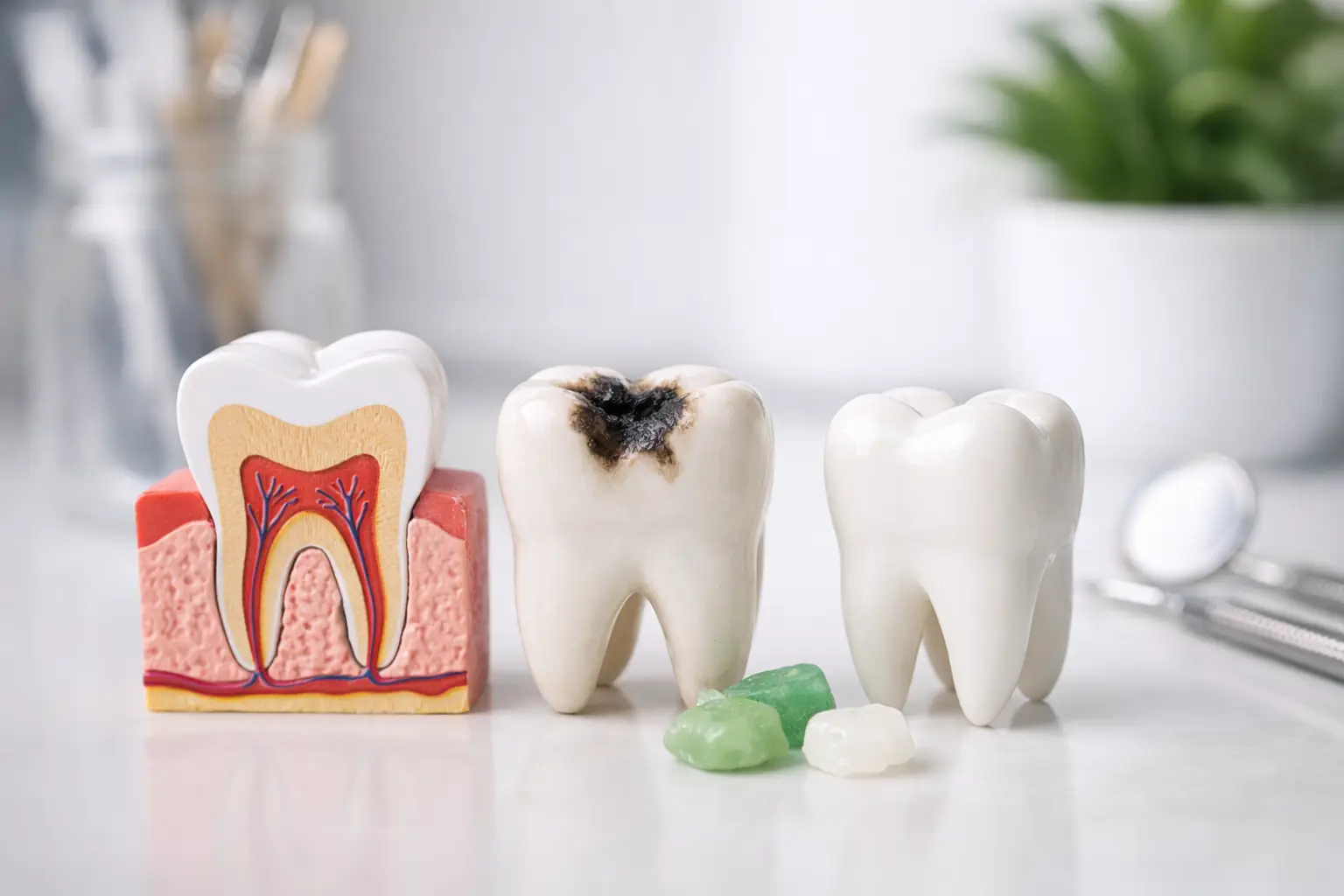
A faint white spot near the gumline may not look alarming, but it can be an early warning that a tooth is losing minerals. Many patients ask, can cavities heal on their own? The honest answer is that it depends on how far the decay has progressed. Early enamel weakening can sometimes be strengthened, while a true hole in a tooth will not grow back without dental treatment.
That distinction matters because cavities rarely feel urgent at first. Waiting until a tooth hurts can turn a small, straightforward concern into a larger restoration, a root canal, or an emergency visit. Knowing what can improve and what needs care helps you make a confident choice for your smile.
Can Cavities Heal on Their Own at an Early Stage?
Tooth decay begins when bacteria in plaque use sugars and starches from food and drinks to produce acid. That acid pulls minerals from enamel, the hard outer layer of the tooth. In its earliest stage, this mineral loss may appear as a chalky white spot, often near the gums or between teeth.
At this point, there may not yet be a physical opening in the enamel. With the right support, the tooth can take in minerals again through a process called remineralization. Fluoride, saliva, thorough brushing, a lower-sugar diet, and professional preventive care can all help stop or reverse this very early damage.
But remineralization does not mean a damaged tooth restores itself exactly as it was. It means the enamel can become stronger and more resistant to further acid attacks. The white spot may remain visible even if the area has stabilized, and it still deserves monitoring at regular exams.
Once decay has broken through the enamel and created a cavity, the tooth cannot rebuild the missing structure on its own. Enamel does not contain living cells that can regenerate a lost section. A dentist must remove the decayed portion and seal the tooth with an appropriate restoration, often a filling.
What Makes a Cavity Different From Early Decay?
People often use the word “cavity” to describe any sign of decay, but dentists look at the stage and location of the problem. Early demineralization can be managed conservatively when the surface remains intact. A cavitated lesion, meaning there is an actual hole or softened area, usually requires restorative treatment.
Decay can also progress in places you cannot easily see. Cavities commonly form between teeth, beneath old fillings, in deep grooves on molars, or along the edge of the gums. That is why a tooth can look fine in the mirror yet still need attention. Digital X-rays and a careful exam help identify decay before it becomes painful.
A dentist may recommend watching a small, non-cavitated area rather than placing a filling immediately. This is not ignoring the problem. It is a measured decision based on the tooth’s condition, your cavity risk, your home-care habits, and whether the area is changing over time. Honest guidance means treating what needs treatment while preserving as much healthy tooth structure as possible.
Signs You Should Not Wait for a Cavity to Heal
Some cavities cause no symptoms, which is one reason preventive visits are so valuable. Still, certain changes deserve a prompt call to your dentist. Tooth sensitivity to sweets, cold drinks, or heat may mean decay has moved beyond the enamel. Pain when biting, a visible dark spot or hole, food repeatedly catching in one area, or a rough edge can also signal a cavity that needs evaluation.
A lingering toothache, facial swelling, fever, or a bad taste in the mouth should be treated as more urgent. These symptoms can indicate that infection has reached the tooth’s pulp or surrounding tissue. Home remedies may temporarily reduce discomfort, but they do not remove decay or resolve an infection.
Children need the same attention, even when the affected tooth is a baby tooth. Primary teeth help with eating, speech, and spacing for permanent teeth. Treating decay early can protect comfort and avoid more complicated care later.
How to Support Remineralization and Prevent New Cavities
If your dentist identifies early enamel changes, daily habits make a real difference. The goal is not perfection. It is to reduce repeated acid exposure and give teeth consistent access to fluoride and minerals.
Brush twice daily for two minutes with fluoride toothpaste, using a soft-bristled toothbrush and gentle pressure. After brushing at night, spit out excess toothpaste rather than rinsing thoroughly with water. This leaves a small amount of fluoride on the teeth longer. For young children, use the amount of toothpaste recommended for their age and supervise brushing.
Clean between your teeth once a day with floss, interdental brushes, or another tool recommended by your dental team. A toothbrush cannot adequately clean the tight spaces where many cavities begin. If flossing feels difficult, asking for a hands-on demonstration at your next visit can make the routine much easier.
How often you eat or drink sugar matters as much as the amount. Sipping sweetened coffee, soda, sports drinks, juice, or flavored beverages throughout the day gives oral bacteria repeated fuel. Choosing water between meals, keeping sweets to mealtimes when possible, and avoiding frequent grazing can help reduce acid attacks.
Fluoride treatment may also be recommended for patients with a higher risk of cavities, dry mouth, orthodontic appliances, exposed roots, or a history of frequent decay. Your dentist may suggest a professional fluoride varnish, prescription-strength toothpaste, or another personalized preventive option. The best choice depends on your individual needs.
Why Waiting Can Make Treatment More Complicated
A small filling is often the simplest way to restore a tooth once a cavity has formed. The goal is to remove decay, protect the remaining tooth, and restore a smooth surface that is easy to clean. Modern restorative care is designed to be precise and comfortable, and local anesthesia can keep treatment gentle for anxious patients.
When decay continues deeper into the tooth, it can reach dentin, the softer layer beneath enamel. From there, it may spread more quickly. If bacteria reach the pulp, which contains nerves and blood vessels, a root canal and crown may be needed to save the tooth. In severe cases, extraction may become the safest option.
No one wants more treatment than necessary. The encouraging news is that early exams often give you more options, not fewer. Addressing a small cavity does not mean you have failed at dental care. It means you are protecting your tooth before a manageable problem becomes painful or expensive.
What to Expect at a Cavity Evaluation
A comfortable dental visit starts with clear communication. Your dentist will ask about sensitivity, pain, past dental treatment, medications, dry mouth, and home-care habits. They will examine the tooth and may take X-rays if needed to check between teeth and beneath the surface.
From there, you should receive an explanation in plain language: whether the area is early enamel weakening, an active cavity, an old filling that needs attention, or something else entirely. You can ask what happens if you monitor it, what treatment is recommended, how soon it should be completed, and what the cost may be. A trusted dental team should help you feel informed, never pressured.
At Shine & Sparkle Dentistry, we believe preventive care and restorative treatment should feel personal, clear, and comfortable. Whether you are due for a checkup or worried about a new sensitivity, a timely evaluation can protect both your oral health and your peace of mind.
A tooth cannot tell you exactly how much decay is hiding beneath the surface, but an exam can. If you have noticed sensitivity, discoloration, or a spot that does not feel right, give your smile the attention it deserves before it has a chance to demand it.