6505 W Park Blvd #132 Plano, TX 75093

Cosmetic Smile Enhancement Options Explained
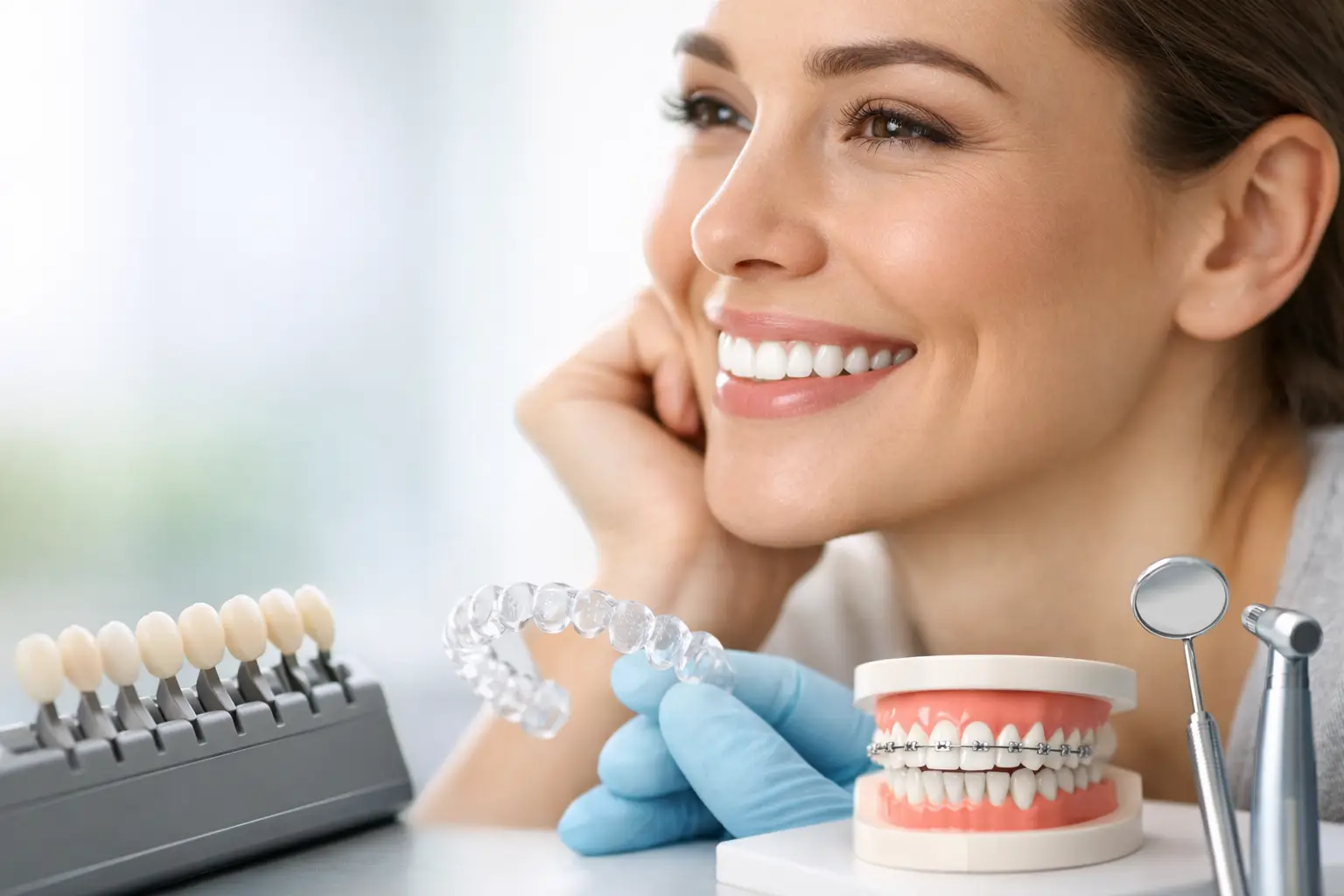
A smile makeover should never feel like guesswork. If you have been wondering which cosmetic smile enhancement options are actually worth considering, the right answer depends on what you want to change, how quickly you want results, and how much natural tooth structure you want to preserve.
Some patients want a brighter smile before a wedding or job change. Others are bothered by chips, uneven edges, gaps, or teeth that look worn down over time. In many cases, the best cosmetic result is not about doing the most treatment. It is about choosing the option that improves your smile in a natural-looking way while respecting your comfort, timeline, and budget.
How cosmetic smile enhancement options really differ
Cosmetic dentistry is often talked about as if every treatment does the same thing. It does not. Whitening changes color. Bonding changes shape in smaller ways. Veneers can reshape and brighten more dramatically. Clear aligners improve position. Crowns may be part of a cosmetic plan when a tooth also needs strength and protection.
That is why a good consultation matters. Before recommending treatment, your dentist should look at tooth color, spacing, alignment, gum symmetry, bite function, and the health of the teeth underneath. A smile can look uneven for more than one reason, and treating the wrong issue first can lead to disappointment.
For example, if the main concern is crowding, whitening alone will not create the balanced look you want. If the issue is deep staining, bonding may not match as well long term as porcelain. If a tooth is cracked or heavily filled, a cosmetic-only fix may not be the most durable choice. Honest guidance matters here.
Teeth whitening for a faster cosmetic change
Professional teeth whitening is one of the most popular cosmetic smile enhancement options because it is conservative and relatively quick. It works well for patients whose teeth are healthy but stained from coffee, tea, red wine, tobacco, or normal aging.
In-office whitening usually delivers the fastest visible change. Take-home professional systems can also be very effective and may be a better fit for patients who prefer gradual whitening or have a history of sensitivity. The best approach depends on your goals and how your teeth typically respond.
There are limits, though. Whitening does not change the shape of teeth, close gaps, or repair chips. It also will not lighten crowns, veneers, or tooth-colored fillings that are already in place. If you have older dental work on front teeth, your dentist should discuss whether whitening could make those restorations stand out more.
Sensitivity is another real consideration. Many patients do well with professional whitening, especially when treatment is planned carefully, but some people need a slower approach. That does not mean whitening is off the table. It means the process should be customized.
Cosmetic bonding for chips, gaps, and uneven edges
Dental bonding uses tooth-colored composite resin to improve the appearance of a tooth. It is often a strong option for small chips, minor gaps, worn corners, or teeth that need subtle reshaping.
One reason patients like bonding is that it can often be completed in a single visit. It is also typically more affordable than porcelain veneers, which makes it appealing when the changes needed are modest. When done well, bonding can blend beautifully with surrounding enamel.
The trade-off is longevity. Bonding is durable, but it is not as stain-resistant or as strong as porcelain over time. It may chip or discolor sooner, especially for patients who bite their nails, chew ice, grind their teeth, or drink a lot of coffee and tea. That does not make it a poor choice. It simply means it is best for the right kind of case.
For many adults, bonding is ideal when they want a meaningful improvement without committing to a more extensive treatment plan.
Veneers for a more dramatic smile transformation
When patients want to change several aspects of their smile at once, porcelain veneers are often among the most effective cosmetic smile enhancement options. Veneers are thin porcelain shells placed on the front of teeth to improve color, shape, size, and overall symmetry.
Veneers can be a good fit for teeth that are deeply stained, slightly misshapen, uneven, worn, or separated by small gaps. They are especially helpful when whitening alone will not create the result a patient wants. Because porcelain reflects light in a way that resembles natural enamel, veneers can look very lifelike when designed carefully.
This treatment does require thoughtful planning. Veneers are not the right solution for every smile, especially if underlying bite issues, active gum disease, or untreated decay are present. Some patients also need to think about whether they want a subtle refresh or a more noticeable change. The best veneer cases do not look fake or overly uniform. They look balanced, healthy, and appropriate for the patient’s face.
A careful cosmetic dentist will also discuss the number of veneers needed. Sometimes treating only the most visible teeth makes sense. In other cases, a broader plan creates a more even result.
Clear aligners when alignment is the real issue
A smile may look less attractive not because the teeth are dark or damaged, but because they are crowded, rotated, or unevenly spaced. In those cases, straightening the teeth may be the smartest place to start.
Clear aligners can gently move teeth into better position without the look of traditional braces. Adults often appreciate this option because it is discreet and fits more easily into professional and social life. It can improve spacing, mild crowding, and certain bite concerns that affect both appearance and function.
The main trade-off is time. Unlike whitening or bonding, aligners do not create instant results. They require commitment, regular wear, and patience. But when alignment is the core issue, they often create a cleaner, more natural result than covering the problem cosmetically.
In some smile makeover plans, aligners are followed by whitening or bonding. That combination can be very effective because the teeth are first moved into better position, then refined cosmetically.
Crowns and gum contouring in select cases
Not every cosmetic concern is solved by whitening, bonding, or veneers. If a tooth is weakened by decay, fracture, or a large old filling, a crown may be the better option. A crown covers the tooth more fully, improving both appearance and strength.
This is where cosmetic and restorative dentistry often overlap. A patient may come in wanting a better-looking front tooth, but if that tooth is structurally compromised, appearance alone should not drive the decision. Long-term health matters.
Gum contouring may also be part of a smile enhancement plan if the gumline looks uneven or a patient feels their smile shows too much gum tissue. In the right case, adjusting the gumline can make teeth look more proportionate and balanced. It is not needed for everyone, but when gum shape is the issue, changing the teeth alone may not solve the concern.
Choosing the right treatment for your smile
The most helpful question is not, “What is the best cosmetic treatment?” It is, “What is the best treatment for my goals?” That answer depends on several factors: the condition of your teeth, the changes you want, your budget, and whether you want the most conservative option or the most comprehensive one.
If your main goal is brightness, whitening may be enough. If you have a few small flaws, bonding might be the simplest path. If you want a bigger transformation across several front teeth, veneers may be worth considering. If your teeth are out of position, clear aligners may be the foundation of the whole plan.
Just as important, your dentist should explain what each option can and cannot do. Patients tend to feel most confident when expectations are clear from the start. You should know how long treatment may take, how to maintain results, and whether future touch-ups are likely.
At a practice like Shine & Sparkle Dentistry, that conversation should feel personal, not rushed. Cosmetic dentistry works best when patients feel heard, informed, and comfortable asking questions.
What a natural-looking result depends on
Most patients are not looking for a smile that appears overly done. They want to look refreshed, healthier, and more confident. That usually comes down to proportion, shade selection, and restraint.
Very white teeth are not always the most attractive choice. Perfectly identical edges are not always the most natural. A great cosmetic result takes your face, skin tone, lip line, and existing features into account. The goal is harmony, not just brightness.
That is why experience matters. Good cosmetic planning is not simply about offering procedures. It is about knowing when a small change will be enough and when a more complete approach will truly serve the patient better.
If you have been thinking about improving your smile, start with a conversation that feels honest and pressure-free. The right plan should leave you feeling more like yourself, just with one less thing to second-guess when you look in the mirror.