6505 W Park Blvd #132 Plano, TX 75093

Cracked Tooth Symptoms: When to Call a Dentist
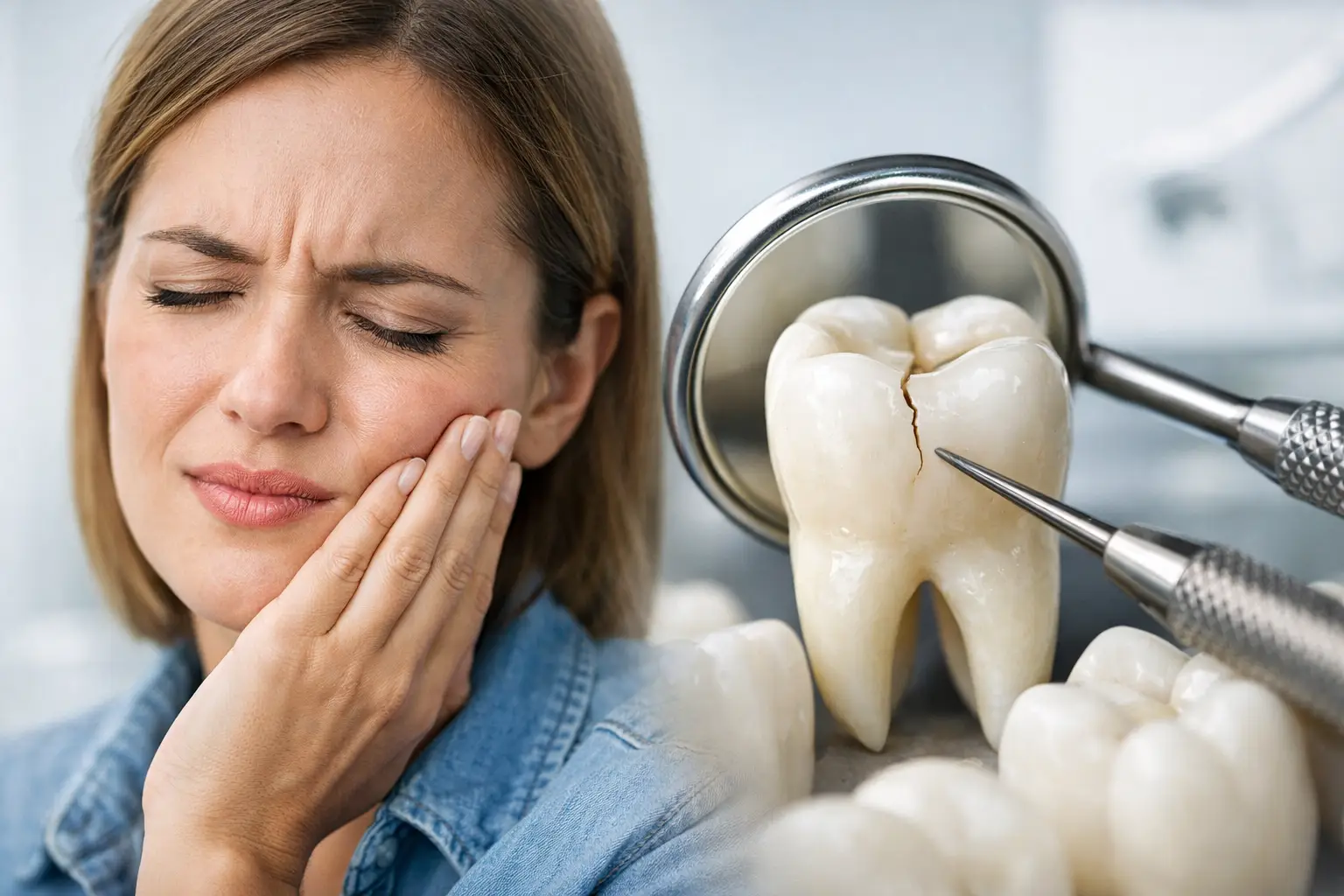
A tooth can crack during something as ordinary as chewing ice, biting a popcorn kernel, or clenching during a stressful week. Sometimes you will feel a sharp, unmistakable twinge right away. Other times, cracked tooth symptoms come and go so unpredictably that it is tempting to ignore them. That is exactly why a prompt dental exam matters: small cracks can worsen with everyday chewing, but early treatment may protect more of your natural tooth.
What Does a Cracked Tooth Feel Like?
A cracked tooth does not always hurt constantly. Unlike a cavity or a severe tooth infection, the discomfort may appear only when pressure reaches the crack in a certain way. You might bite down normally, then feel a quick, sharp pain when you release your bite. This happens because the cracked portions of the tooth can shift slightly apart under pressure and irritate the sensitive tissue inside.
Sensitivity is another common sign. A tooth that suddenly reacts to cold water, hot coffee, sweets, or even a breath of cool air deserves attention, particularly if the sensitivity is new or isolated to one tooth. Sensitivity can have other causes, including worn enamel or gum recession, so it does not automatically mean you have a crack. A dentist can help identify the true source.
Some people notice a vague ache around the tooth or jaw rather than a single point of pain. Others feel as though one tooth is “off” when they close their mouth, even though they cannot see anything unusual. Trust that feeling. Teeth are designed to meet in a precise pattern, and a crack can make chewing feel different long before it becomes an obvious emergency.
Common Cracked Tooth Symptoms to Watch For
The symptoms vary based on the crack’s size, depth, and location. A tiny crack in enamel may cause no discomfort at all, while a deeper crack can reach the nerve and lead to significant pain. Contact your dentist if you notice any of the following:
- Sharp pain when biting, chewing, or releasing your bite
- Sensitivity to hot, cold, sweet, or acidic foods and drinks
- Pain that comes and goes without an obvious cause
- Swelling or tenderness in the gum around one tooth
- A visible line, chipped edge, or missing piece of tooth
- Discomfort when eating firm foods such as nuts, crusty bread, or candy
- A tooth that feels uneven or painful when you bite together
Not every crack is visible in a mirror. In fact, many are too small or hidden below the gumline to see without a professional examination. Dental imaging, magnification, bite testing, and careful evaluation of your symptoms can help locate the problem.
Pain When You Release Your Bite
Pain on release is one of the more recognizable signs of a cracked tooth. When you bite down, the crack may be compressed. When you let go, the two sides can separate slightly, creating a sudden pull on the tooth’s inner tissue. This sensation can be brief, but it is not something to wait out.
Because it can be hard to identify which tooth is responsible, avoid repeatedly testing it by chewing on that side. Repeated pressure can extend the crack and make the tooth harder to restore.
Temperature Sensitivity That Lingers
A quick sensation from an icy drink can happen with ordinary sensitivity. But if cold or heat causes pain that lingers for several seconds or longer, the nerve inside the tooth may be inflamed. This can occur when a crack has allowed irritants to reach deeper layers of the tooth.
Lingering sensitivity does not always mean you need root canal treatment, but it is a reason to schedule an exam soon. The earlier the tooth is assessed, the more options may be available.
Why a Cracked Tooth May Not Be Obvious
Teeth are strong, but they are not indestructible. Years of chewing forces, large older fillings, grinding or clenching, trauma, and biting hard foods can all contribute to cracks. A crack may begin as a microscopic line in the enamel, then deepen over time.
Back teeth are especially vulnerable because they absorb much of the force of chewing. People who grind their teeth at night may also develop cracks without a single memorable injury. If you wake with jaw soreness, headaches, or worn tooth edges, tell your dentist. A custom nightguard may help reduce further stress on your teeth after the immediate issue is addressed.
A cracked tooth can be difficult to diagnose because symptoms may mimic a cavity, gum irritation, sinus pressure, or a problem with a nearby tooth. That is why an honest, one-on-one evaluation is more useful than trying to self-diagnose based on pain alone.
When Is a Cracked Tooth an Emergency?
Call for urgent dental care if a tooth breaks and causes severe pain, significant swelling, bleeding that does not stop, or a sharp edge that is cutting your cheek or tongue. Swelling in the face, fever, trouble swallowing, or difficulty breathing requires immediate medical attention.
Even without dramatic symptoms, do not postpone care if you suspect a crack. A crack can let bacteria enter the tooth, which may lead to infection. It can also travel farther down the root. Once a crack extends below the gumline or splits the tooth, saving it becomes more complicated and, in some cases, may not be possible.
If pain is mild and you are waiting for an appointment, chew on the opposite side and choose softer foods. Avoid chewing gum, ice, hard candy, popcorn, nuts, and sticky foods. You can rinse gently with warm water and use an over-the-counter pain reliever as directed on the label if it is safe for you. Do not place aspirin directly on the tooth or gum, as this can irritate the tissue.
How Dentists Treat Cracked Teeth
Treatment depends on where the crack is and how deeply it extends. A shallow surface line, sometimes called a craze line, may be largely cosmetic and may not need treatment. If a small portion has chipped, smoothing, bonding, or a filling may restore the tooth’s shape.
For a tooth with a more substantial crack, a dental crown is often recommended. A crown covers the tooth like a protective cap, holding it together and helping it withstand normal chewing forces. This approach can be an excellent way to preserve a tooth that has enough healthy structure remaining.
When the crack reaches the pulp, root canal treatment may be needed before placing a crown. Root canal therapy removes damaged or infected tissue from inside the tooth, relieving pain while allowing the tooth to stay in place. If the crack extends too far below the gumline or the tooth has split into separate sections, extraction may be the healthiest option. In that situation, your dentist can discuss replacement options such as a dental implant or bridge.
The right treatment is never one-size-fits-all. Your dentist should explain what the exam shows, why a certain option is recommended, and what can happen if treatment is delayed. Clear answers can make a stressful situation feel much more manageable.
Can You Prevent Future Tooth Cracks?
You cannot prevent every accident, but a few habits can lower the risk. Do not use your teeth to open packages or hold objects, and skip chewing ice. If you play contact sports, wear a properly fitted mouthguard. If you clench or grind, ask about a nightguard designed for your bite rather than relying on a generic option.
Routine exams also matter. A dentist may spot worn areas, failing fillings, or early signs of cracks before they cause major pain. Replacing a large, weakened filling or protecting a vulnerable tooth at the right time can help prevent a more serious fracture later.
A sudden bite twinge is easy to dismiss when life is busy, but your smile deserves careful attention. If something feels different when you chew, a gentle dental visit can provide answers, relief, and a plan to keep that tooth strong for years to come.