6505 W Park Blvd #132 Plano, TX 75093

Deep Cleaning Teeth Cost: What Plano Patients Pay
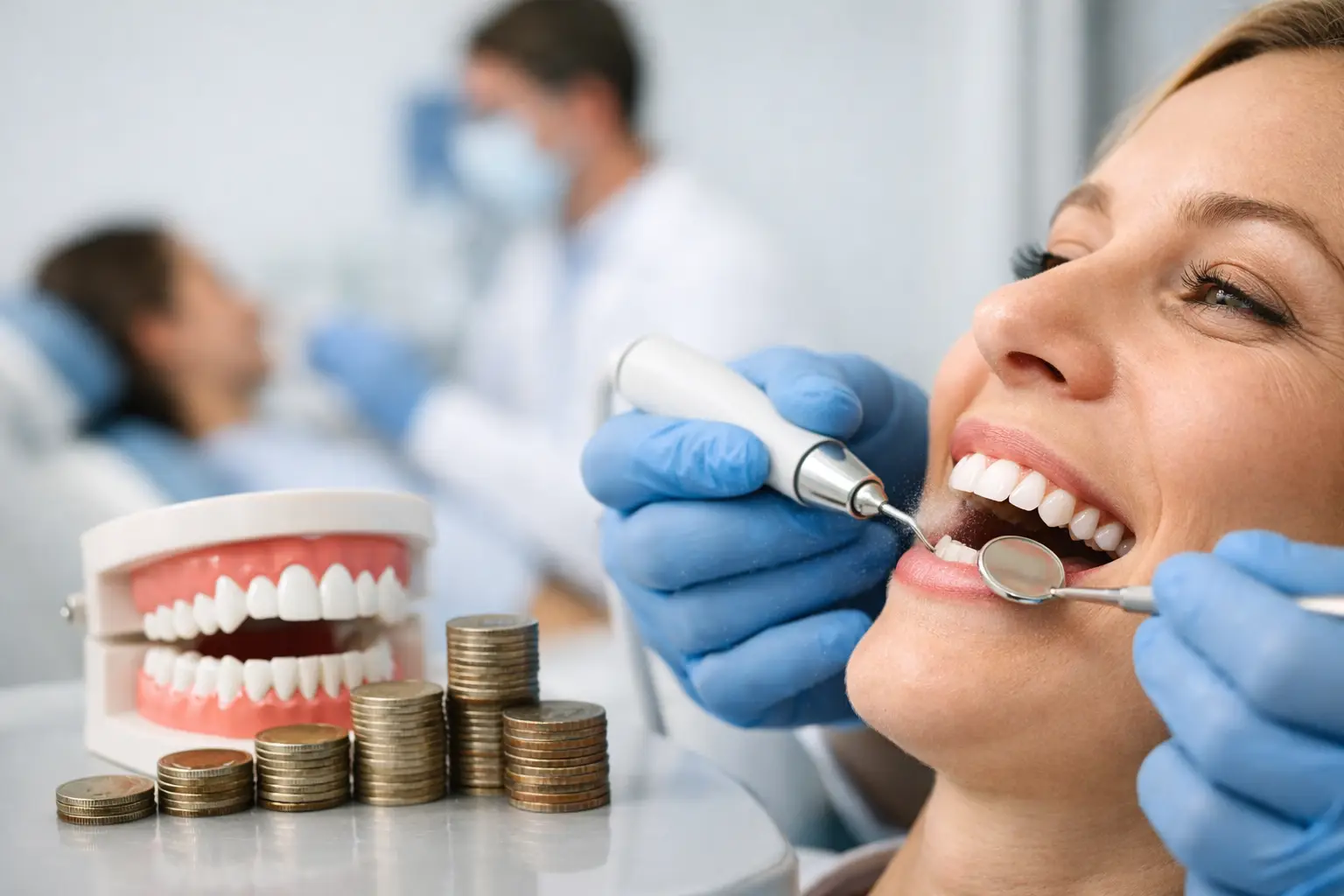
A routine cleaning removes plaque and surface buildup above the gumline. A deep cleaning treats a different concern: bacteria and hardened tartar that have collected below the gums, where a toothbrush cannot reach. That distinction is why deep cleaning teeth cost is usually higher than the price of a standard preventive visit – and why the treatment can be a valuable investment in protecting your teeth and gums.
If you have been told you need a deep cleaning, you deserve a clear explanation of what was found, what treatment includes, and what you can expect to pay. At Shine & Sparkle Dentistry, our goal is to help Plano patients feel informed and confident about every recommendation, never rushed or pressured.
What Is Included in a Deep Cleaning?
The clinical name for a deep cleaning is scaling and root planing. It is a nonsurgical periodontal treatment designed to address gum disease before it progresses further.
Scaling removes plaque, tartar, and bacteria from the tooth surfaces and from periodontal pockets below the gumline. Root planing carefully smooths the tooth roots, making it harder for bacteria to cling to them and helping the gums heal against the teeth.
A dentist or hygienist recommends this treatment when an exam shows signs of active gum disease, such as gum inflammation, bleeding, bone loss, tartar below the gums, or deeper pockets between the teeth and gums. It is not an upgraded version of a regular cleaning, and it is not something every patient needs.
Because treatment happens below the gumline, your comfort matters. Local anesthetic may be used to numb the area, and many patients complete treatment in two visits, with one side of the mouth treated at each appointment. The exact approach depends on the condition of your gums and the amount of buildup present.
Deep Cleaning Teeth Cost in Plano: Typical Ranges
Deep cleaning is commonly priced by quadrant, meaning one quarter of the mouth. Your mouth has four quadrants: upper right, upper left, lower right, and lower left. Treating one or two quadrants costs less than treating the full mouth.
In the Plano area, a general estimate for scaling and root planing may range from about $150 to $400 or more per quadrant before insurance. If all four quadrants need treatment, the total may fall roughly between $600 and $1,600 or more. These are broad planning ranges, not a personal quote. Your needs, insurance benefits, diagnostic findings, and the type of anesthesia used can all affect the final amount.
You may also see separate charges for an examination and dental X-rays if those services have not recently been completed. In some cases, a periodontal evaluation or follow-up gum check is part of building the right treatment plan.
The most reliable way to understand your cost is to have your gums evaluated and receive a written estimate. A thoughtful dental team should explain which areas need care and why, rather than offering a one-size-fits-all price.
Why the Price Can Vary
The number of quadrants is the biggest cost factor, but it is not the only one. Mild gum disease may be limited to a few areas. More widespread inflammation or tartar deposits below the gumline can require treatment throughout the mouth.
The depth of your gum pockets also matters. Deeper pockets may take more time and careful technique to clean effectively. If you are particularly anxious or sensitive, you may need numbing medication or additional comfort options. Those services can affect the treatment fee, but they can also make the experience far more manageable.
Your dental history plays a role as well. Patients who have missed cleanings for several years, smoke, have diabetes, experience dry mouth, or have a history of periodontal disease may need more involved care. None of these factors means treatment will be uncomfortable or unaffordable. They simply help your dentist determine the level of care that will protect your oral health.
Does Dental Insurance Cover Deep Cleaning?
Many dental insurance plans provide some coverage for scaling and root planing when it is medically necessary. Coverage often falls under periodontal services rather than preventive care, so it may be covered at a different percentage than routine cleanings.
For example, a plan may cover part of the allowed fee after your deductible is met. It may also have annual maximums, waiting periods, frequency limits, or requirements for documentation. Even if you have strong benefits, it is wise not to assume the entire treatment will be covered.
Before treatment begins, ask the dental office to review your benefits and estimate your out-of-pocket portion. Insurance is helpful, but it should not be the only guide for making a health decision. If periodontal treatment is needed, postponing it can allow gum disease to worsen, potentially leading to more complex and costly treatment later.
For patients without insurance, ask about payment options and whether treatment can be phased appropriately. The right plan should balance clinical urgency with what is realistic for your household budget.
Is a Deep Cleaning Worth the Cost?
When it is recommended for genuine periodontal disease, a deep cleaning is about more than making teeth feel smooth. It reduces bacterial buildup below the gums and gives inflamed tissue a chance to heal. That can help reduce bleeding, tenderness, bad breath, and the risk of continued damage to the tissues and bone that support your teeth.
Gum disease can advance quietly. You may not feel pain even when inflammation is present, which is one reason regular exams are so valuable. Once significant bone loss occurs, treatment can become more involved and may include ongoing periodontal maintenance, surgery, or tooth replacement options if teeth cannot be saved.
Still, a deep cleaning is not automatically the answer to every case of bleeding gums. Sometimes a patient needs better daily home care and a regular cleaning. Sometimes an existing condition needs a different periodontal approach. A proper exam and measurements are what separate a necessary treatment recommendation from an unnecessary expense.
What Happens After Scaling and Root Planing?
Your gums may feel tender for a day or two, and your teeth may temporarily feel more sensitive to cold. This is common, especially when tartar has been removed from areas below the gumline. Most patients manage comfortably with gentle brushing, flossing, and any aftercare instructions provided by their dental team.
The more important next step is the follow-up evaluation. Your dentist will check how your gums respond after healing. Some patients can return to regular preventive cleanings, while others benefit from periodontal maintenance visits every three to four months. Those maintenance visits are different from standard cleanings because they focus on controlling a history of gum disease.
Daily habits have a meaningful impact on your results. Brushing twice daily with fluoride toothpaste, cleaning between teeth every day, staying current with professional care, and managing conditions such as diabetes can all support healthier gums over time.
Questions to Ask Before You Schedule
A clear conversation can remove much of the uncertainty around treatment. Ask your dentist whether all four quadrants need care, what pocket measurements or X-rays show, whether local anesthetic is included, and what follow-up visits may be needed. You can also ask for an insurance estimate and a written breakdown of expected fees.
Most importantly, ask what could happen if you wait. There are situations where a short delay is reasonable, and there are situations where earlier treatment gives you the best chance to preserve healthy supporting bone and natural teeth.
A deep cleaning should never feel like a mystery charge. With a gentle examination, honest answers, and a personalized treatment plan, you can make a decision that supports both your budget and the long-term health of your smile.