6505 W Park Blvd #132 Plano, TX 75093

Your Guide to Scaling and Root Planing Care

Bleeding when you brush, persistent bad breath, or gums that look swollen can feel easy to put off, especially when there is no toothache. This guide to scaling and root planing explains one of the most effective nonsurgical treatments for gum disease, what it feels like, and how it can help protect the foundation of your smile.
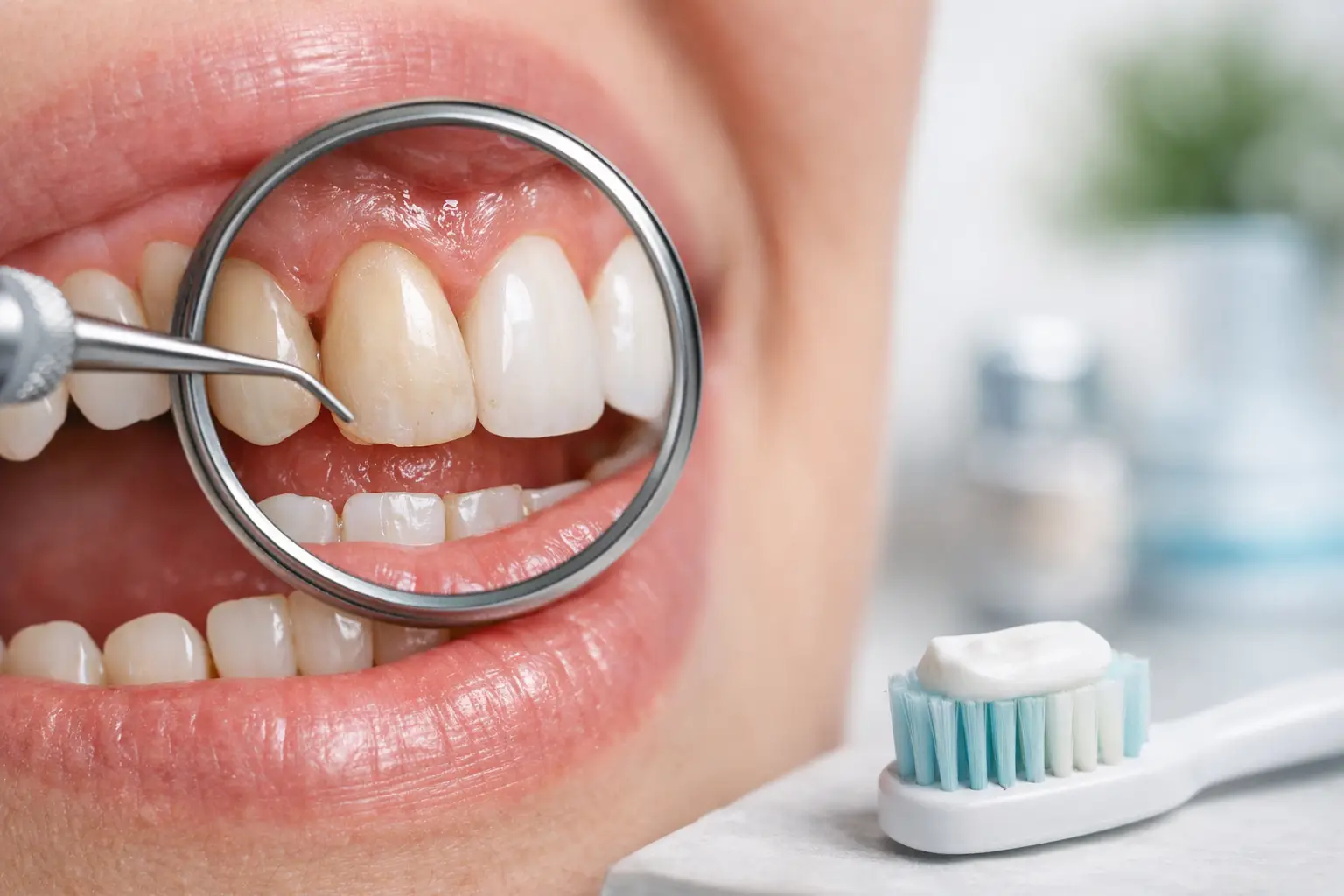
Gum disease often progresses quietly. Plaque hardens into tartar, bacteria move beneath the gumline, and the gums can begin to pull away from the teeth. A regular cleaning is designed to maintain healthy gums. Scaling and root planing is a deeper, more targeted cleaning for areas where infection and tartar have collected below the gumline.
What Is Scaling and Root Planing?
Scaling and root planing is often called a deep cleaning, but it is more than a longer version of a routine dental cleaning. It treats periodontal disease, which affects the gums and bone that support your teeth.
Scaling removes plaque, tartar, and bacteria from the tooth surfaces, including the areas beneath the gums. Root planing carefully smooths the root surfaces after those deposits are removed. Smoother roots make it harder for bacteria to stick and give the gums a better chance to heal and reattach more closely to the teeth.
The goal is not simply to make teeth feel clean. The goal is to reduce inflammation, slow or stop further periodontal damage, and help you keep your natural teeth. When gum disease is caught early enough, this treatment can often reduce the need for more extensive periodontal care later.
When a Deep Cleaning May Be Recommended
Your dentist or hygienist does not recommend scaling and root planing based on appearance alone. The decision follows a thorough exam of your gums, teeth, and supporting bone. During that visit, the team measures the spaces between your teeth and gums, called periodontal pockets, and may take X-rays to look for changes in the bone around your teeth.
Healthy gums generally fit snugly around the teeth. When gum disease is present, the pockets can become deeper, creating protected spaces where bacteria and tartar are difficult to remove with brushing, flossing, or a standard cleaning.
Common signs that deserve an evaluation include gums that bleed easily, tenderness or puffiness around the gumline, bad breath that does not improve, gum recession, loose teeth, or new spaces between teeth. Still, some people have very few noticeable symptoms. That is why regular checkups matter, particularly if you have a history of gum disease, smoke or use tobacco, have diabetes, or have gone a long time between dental visits.
A deep cleaning is not automatically needed for every patient with a little tartar or mild gum irritation. In some cases, improved home care and a routine cleaning are enough. Honest guidance means matching treatment to what your gums actually need.
What Happens During Scaling and Root Planing
Before treatment begins, your dental team will explain the findings, the areas being treated, and what to expect. Many patients appreciate knowing that deep cleanings are commonly divided into two or more appointments. Treating one side or one section of the mouth at a time allows the clinician to work carefully while keeping you comfortable.
Keeping You Comfortable
Because the treatment reaches below the gumline, local anesthetic is commonly used to numb the area. You should not feel sharp pain during the procedure, though you may notice pressure, gentle scraping, vibration, or water from the dental instruments.
If dental visits make you nervous, say so before your appointment. A caring office can pause when you need a break, explain each step in plain language, and adjust the pace of care. Feeling informed and in control can make a meaningful difference.
Cleaning Below the Gumline
The clinician may use ultrasonic instruments, hand instruments, or both. Ultrasonic tools use vibration and water to loosen deposits, while hand instruments allow detailed cleaning along the roots. The process is precise because each treated tooth surface needs attention, especially where periodontal pockets are deeper.
After scaling, the root surfaces are smoothed as needed. Your gums may be rinsed, and your dentist may recommend additional periodontal therapies depending on the severity of infection and how your gums respond. Some patients need only scaling and root planing followed by maintenance visits. Others with advanced disease may need care from a periodontal specialist.
Does Scaling and Root Planing Hurt?
This is one of the most common questions, and the reassuring answer is that treatment should be manageable with proper numbing and communication. Your gums may feel tender afterward, and mild sensitivity to hot, cold, or pressure is common for a few days. If tartar was removed from deep pockets or the gums were very inflamed, sensitivity can last a little longer.
Over-the-counter pain relief may be appropriate for some patients, but follow your dentist’s guidance and the medication label. Avoid taking any medication that has been discouraged by your physician. Contact your dental office if discomfort becomes severe, swelling increases, you develop a fever, or bleeding does not settle.
It is also normal for gums to look slightly lower as inflammation improves. That does not mean the procedure damaged your gums. Swollen tissue can shrink as it heals, revealing more of the tooth surface. Your dentist can discuss whether sensitivity products, fluoride treatment, or other options would help.
Recovery and Home Care After Treatment
Most patients return to work, school, and normal daily activities the same day. Once numbness has worn off, choose softer foods if your mouth feels sore, and avoid very hot foods or drinks while you are still numb. For the first day or two, skip crunchy, spicy, or acidic foods if they irritate your gums.
Brush gently with a soft-bristled toothbrush and clean between your teeth as instructed. Flossing or using interdental cleaners can cause light bleeding at first when gums are inflamed, but consistent gentle cleaning is part of healing. Do not stop caring for an area just because it bleeds. Instead, ask your dental team to show you the technique that is safest and most effective for your smile.
Tobacco use can slow gum healing and raise the risk of periodontal disease returning. If you smoke or vape, this appointment can be a useful moment to discuss support for cutting back or quitting.
Why Follow-Up Visits Matter
Scaling and root planing removes existing buildup, but it does not make someone immune to future plaque and tartar. Bacteria begin to accumulate again every day. The difference comes from keeping the gumline clean at home and returning for periodontal maintenance on the schedule your dentist recommends.
For many patients with a history of gum disease, maintenance appointments are recommended more often than standard six-month cleanings. The right interval depends on pocket depths, bleeding, bone support, home care, medical history, and how well your gums respond after treatment. These visits allow your team to monitor healing and address small changes before they become bigger problems.
Questions to Ask Before Your Appointment
A clear conversation can make treatment feel far less intimidating. Ask which areas need scaling and root planing, how deep your periodontal pockets are, whether local anesthetic will be used, how many visits are expected, and what your follow-up plan will look like. If cost is a concern, ask for a written treatment estimate and help understanding insurance benefits before care begins.
At Shine & Sparkle Dentistry, patients can expect one-on-one explanations and a gentle, comfort-first approach. Periodontal treatment works best when you understand both the reason for care and the practical steps that protect your results afterward.
Your gums support every smile, meal, conversation, and family photo. If they are bleeding, sore, or changing, a timely periodontal evaluation can give you clear answers and a path forward that feels calm, personalized, and manageable.