6505 W Park Blvd #132 Plano, TX 75093

How to Treat Bleeding Gums Safely
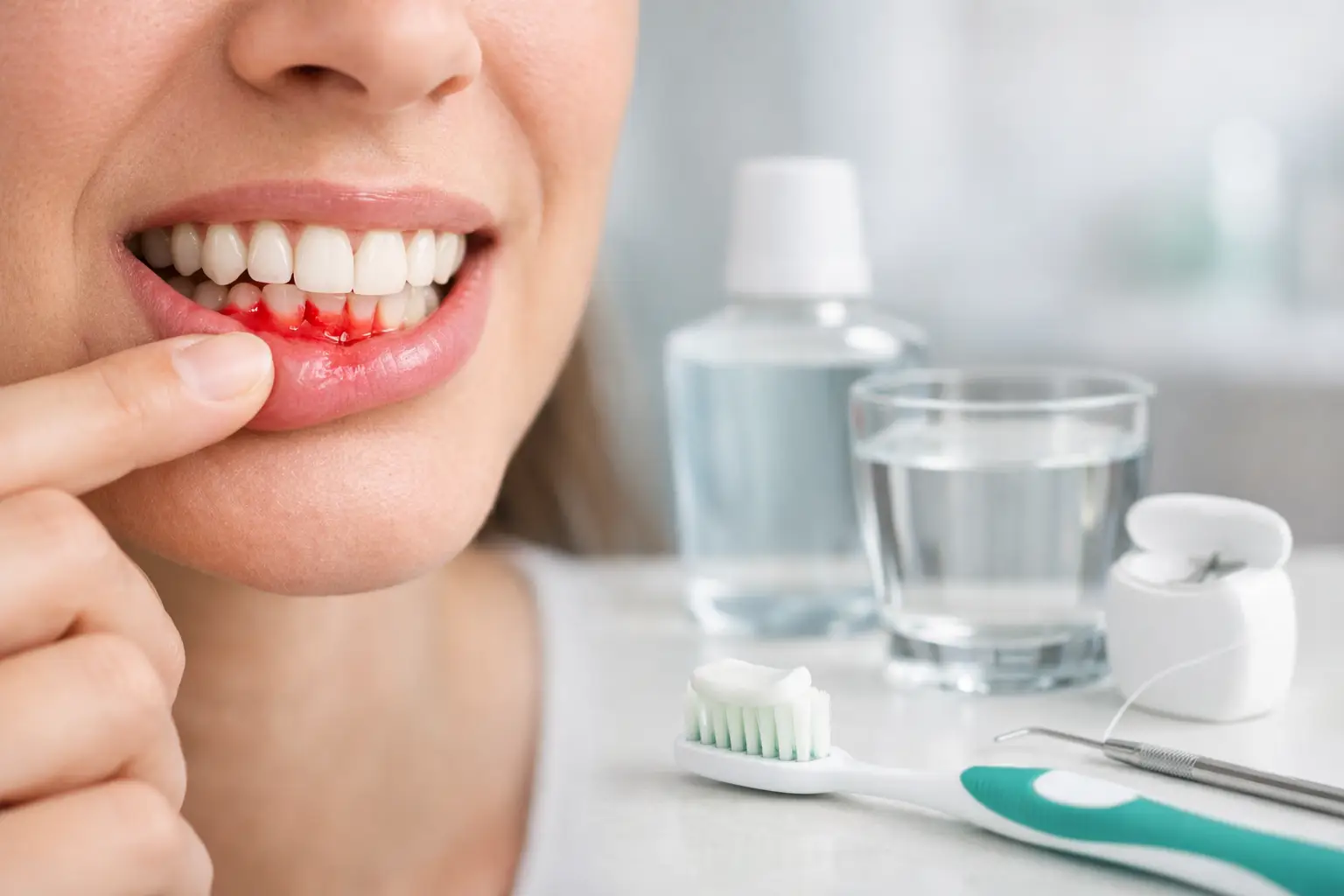
Seeing pink in the sink after you brush can be unsettling. If you are wondering how to treat bleeding gums, the first thing to know is this: bleeding is common, but it is not something your gums should do regularly. In many cases, it is an early sign that your gums are irritated or inflamed, and the sooner you respond, the easier it is to get things back on track.
Bleeding gums can happen for simple reasons, like brushing too hard or skipping floss for a while. They can also point to gum disease, hormonal changes, certain medications, or health conditions that affect healing. That is why the right approach is not just to stop the bleeding for a day, but to address the cause so your mouth can stay healthy long term.
How to treat bleeding gums at home
If your gums bleed occasionally and you are not in severe pain, home care is usually the right place to start. The goal is to reduce inflammation, remove plaque gently, and avoid making tender tissue more irritated.
Start with your toothbrush. A soft-bristled brush is usually best. If you are using a medium or hard brush, or scrubbing back and forth with pressure, you may be traumatizing the gumline without realizing it. Brush with small, gentle motions and pay close attention to where the teeth meet the gums.
Flossing matters too, even if it seems to make bleeding worse at first. When plaque and bacteria build up between the teeth, the gums become inflamed and bleed more easily. Gentle daily flossing often leads to less bleeding within several days because it removes the source of irritation. If you have not flossed consistently in a while, some temporary bleeding is not unusual.
A warm saltwater rinse can help calm the area. Mix a small amount of salt into warm water and swish gently for about 30 seconds. This is not a replacement for brushing and flossing, but it can be a soothing step while your gums recover.
If your mouth feels dry, drink more water throughout the day. A dry mouth can allow more bacteria to linger on the teeth and gums. Staying hydrated also supports your natural saliva flow, which helps protect oral tissues.
It also helps to take a look at your daily habits. Tobacco use, frequent sugary snacks, and heavy alcohol use can all make gum irritation worse. Even a short period of better brushing, flossing, hydration, and nutrition can make a noticeable difference.
What causes bleeding gums?
The most common cause is gingivitis, which is the earliest stage of gum disease. Plaque sits along the gumline, bacteria irritate the tissue, and the gums become red, puffy, and quick to bleed. The good news is that gingivitis is often reversible with professional cleanings and consistent home care.
Sometimes the cause is more mechanical than medical. A new flossing routine, an ill-fitting dental appliance, or aggressive brushing can all trigger bleeding. In those cases, a simple technique change may help.
There are also situations where bleeding gums are linked to a bigger picture. Pregnancy, diabetes, vitamin deficiencies, blood-thinning medications, and immune system issues can all affect how the gums respond. If your gums are bleeding often and your oral hygiene is good, that is worth a closer look.
When bleeding gums mean you should call a dentist
A little blood once in a while is one thing. Ongoing bleeding is another. If your gums bleed daily, if the bleeding lasts more than a week despite improved home care, or if you also notice swelling, tenderness, bad breath, gum recession, or loose teeth, it is time to schedule an exam.
This is especially true if your gums bleed when you are not brushing or flossing. Spontaneous bleeding can signal more advanced inflammation or another health issue that should not be ignored.
For many patients, the biggest mistake is waiting too long because the symptoms seem minor. Gum problems often start quietly. They may not hurt much at first, but they can progress into periodontitis, where infection begins to affect the bone and support around the teeth. At that stage, treatment becomes more involved.
How a dentist treats bleeding gums
If you come in with bleeding gums, the first step is figuring out why they are happening. Your dentist will examine the gum tissue, measure areas around the teeth if needed, and check for plaque buildup, tartar, recession, or signs of infection.
If gingivitis is the issue, a professional cleaning may be enough to remove plaque and hardened tartar that you cannot remove at home. This gives the gums a chance to heal. You will also get guidance on brushing and flossing techniques that are effective without being harsh.
If the problem has moved into a more advanced stage of gum disease, a deeper cleaning may be recommended. This type of treatment targets bacteria and buildup below the gumline, where a regular cleaning cannot reach. It sounds intimidating to some patients, but when done with a gentle approach and clear communication, it can be very manageable.
In some cases, your dentist may also review medications, discuss medical history, or coordinate care if there could be an underlying health factor. Good dentistry is not just about teeth. It is about understanding the full picture and helping you feel informed and confident about what comes next.
How to treat bleeding gums without making them worse
One of the most common reactions to bleeding gums is to avoid the area completely. That feels logical, but it usually backfires. If you stop brushing or flossing near the bleeding spots, more plaque builds up, inflammation gets worse, and the cycle continues.
The better approach is gentleness, not avoidance. Keep the area clean with a soft brush and careful flossing. Do not jab floss into the gums or snap it down between the teeth. Curve it around the tooth and move it slowly beneath the gumline.
Be cautious with whitening products if your gums are already irritated. Some over-the-counter strips and toothpastes can make sensitive tissue feel worse. The same goes for harsh mouthwashes with high alcohol content. If your gums are inflamed, milder products are often more comfortable.
It also helps to manage expectations. If your gums have been inflamed for a while, they may not look better overnight. Many patients start to notice improvement within a few days of better home care, but full healing depends on the cause and how advanced the inflammation is.
Preventing bleeding gums in the future
Once your gums are healthy again, prevention becomes much easier than treatment. Consistent daily care is the foundation. Brushing twice a day, flossing once a day, and keeping up with routine dental visits go a long way.
Professional cleanings matter because plaque can harden into tartar, and tartar cannot be brushed off at home. Even patients who take excellent care of their teeth can develop buildup in hard-to-reach spots. Regular visits help catch small gum changes before they turn into bigger problems.
If you have a history of gum inflammation, your dentist may recommend more frequent cleanings or a few changes to your routine. That is not a sign you are failing. Some people are simply more prone to gum issues because of genetics, crowding, dry mouth, health conditions, or previous dental work that creates areas where plaque collects more easily.
For families, this is also a good reminder that kids and teens can develop gum irritation too, especially during orthodontic treatment or phases when brushing gets rushed. Building healthy habits early helps protect smiles at every age.
A calm, practical next step
If your gums are bleeding, try not to panic, and do not ignore it either. Most of the time, the cause is treatable, especially when you act early. Better home care may solve the problem, but persistent bleeding deserves professional attention so you can protect both your gums and your overall health.
At Shine & Sparkle Dentistry, we believe patients do best when they feel comfortable asking questions and understand exactly what is happening in their mouths. If bleeding gums have been showing up in your daily routine, a gentle exam can give you answers and a clear plan. A healthier smile often starts with one simple step: paying attention to what your gums have been trying to tell you.