6505 W Park Blvd #132 Plano, TX 75093

Invisalign vs Traditional Braces for Your Smile
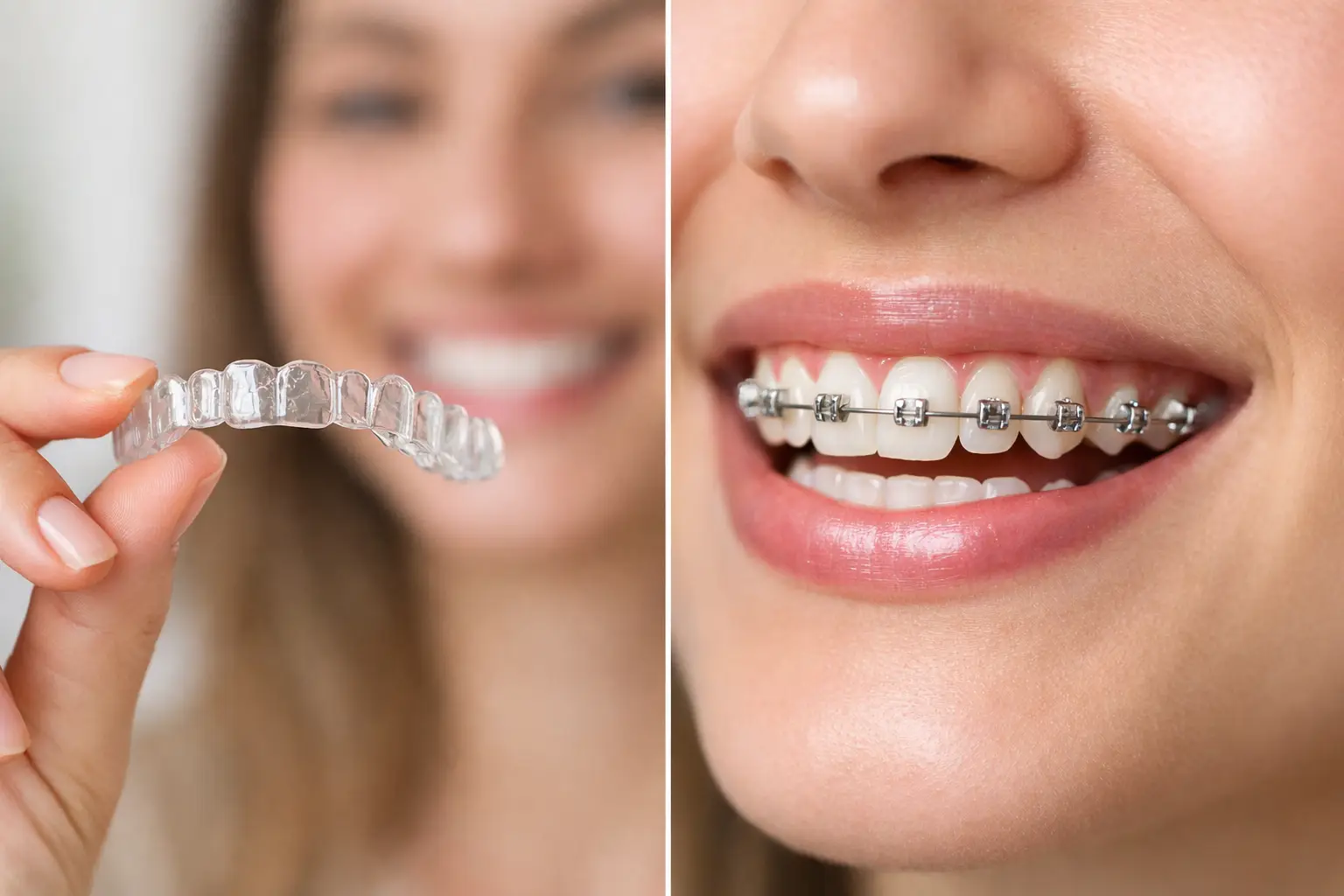
A straighter smile can change more than photographs. It can make brushing easier, improve bite comfort, and help you feel more at ease when you speak or laugh. When comparing Invisalign vs traditional braces, the best choice is rarely about which option is universally better. It is about which treatment can safely and predictably address your teeth, bite, lifestyle, and goals.
For some Plano patients, clear aligners offer the flexibility and discreet appearance they want. For others, braces provide the control needed for more complex tooth movement. A thoughtful orthodontic exam gives you clear answers, without pressure or guesswork.
Invisalign vs Traditional Braces: The Day-to-Day Difference
Invisalign treatment uses a series of clear, custom-made plastic aligners. Each set is designed to move teeth gradually, and patients typically change to a new set every one to two weeks as directed. The aligners fit closely over the teeth, making them far less noticeable than brackets and wires.
Traditional braces use brackets bonded to the teeth and connected with an archwire. Your dentist makes adjustments at scheduled visits to guide teeth into healthier positions. Today’s braces are smaller and more comfortable than many people remember, but they remain visible and stay in place throughout treatment.
The biggest daily difference is that Invisalign aligners are removable. You take them out to eat, drink anything other than water, brush, and floss. Braces stay on 24/7, so there is no need to remember to put them back in. That can be a real advantage for children, teens, or busy adults who may struggle to follow a consistent aligner routine.
Appearance and confidence
Many adults choose Invisalign because the clear aligners blend in with their natural teeth. They are a popular option for professionals who attend meetings, parents who are often in photos, and anyone who feels self-conscious about wearing braces.
Braces are more visible, though clear or tooth-colored options may be available in some cases. Visibility should not be the only deciding factor. If braces are the better clinical choice for your bite, they can still lead to a beautiful, confident result.
Eating and oral hygiene
With Invisalign, there are no food restrictions because aligners are removed before meals. You can continue enjoying popcorn, crunchy vegetables, nuts, and other foods that may be difficult with braces. You will need to brush before putting aligners back in, however, to avoid trapping food particles and sugar against your teeth.
Braces require a few changes at mealtime. Sticky candies, hard foods, and chewing ice can damage brackets or wires. Cleaning also takes more patience, since food can collect around the brackets. A toothbrush, floss threader, or water flosser can make home care easier. For patients who are committed to their routine, both options can support a healthy smile during treatment.
Which Treatment Works Better for Complex Cases?
Clear aligner technology can correct many common orthodontic concerns, including mild to moderate crowding, gaps, crooked teeth, and some bite issues. With careful planning and consistent wear, Invisalign can create excellent cosmetic and functional improvements.
Traditional braces may be the more reliable recommendation when teeth need significant rotation, a major bite correction, or more complex movement. Because brackets and wires are fixed in place, they give the dentist continuous control over tooth movement. Braces may also be recommended when a patient has trouble wearing aligners for the required 20 to 22 hours each day.
This is where personalized care matters most. Two people may both have crowded front teeth but need entirely different treatment plans because of their jaw relationship, gum health, tooth shape, or bite. A dentist should examine more than what is visible in the mirror before recommending either option.
Treatment Time Depends on More Than the Appliance
Patients often ask which option works faster. The honest answer is that treatment time depends on the complexity of your case and how closely the plan is followed. Some minor Invisalign cases can be completed in several months, while comprehensive treatment with either aligners or braces may take 12 to 24 months or longer.
Invisalign requires consistency. If aligners are left out for long stretches, teeth may not track as planned, which can delay progress or require additional aligners. Braces cannot be removed, but missed adjustment visits and broken brackets can also extend treatment.
The most efficient path is the one that fits your real life. A treatment plan only works well when you can follow it comfortably and consistently.
Cost, Insurance, and Long-Term Value
The cost of Invisalign and traditional braces can overlap, particularly for comprehensive treatment. Pricing varies based on the severity of the orthodontic problem, expected treatment length, the number of aligners or appointments needed, and whether additional services are required.
Some dental insurance plans provide orthodontic benefits for children and adults, although coverage limits differ. Financing options may also help make monthly payments more manageable. During a consultation, ask for a clear estimate that explains what is included, such as records, adjustments, retainers, and follow-up care.
Choosing based on the lowest initial price alone can be frustrating if the treatment does not address your actual needs. The lasting value comes from a well-planned result, a comfortable bite, and healthy teeth that are easier to maintain.
What About Kids and Teens?
Traditional braces are often a practical choice for younger patients because they do not rely on daily compliance. They can handle a wide range of developmental and bite concerns while permanent teeth are coming in.
Invisalign can be a good fit for responsible teens who will wear aligners as instructed and keep track of them. Some teen aligner systems include features that help monitor wear, but family support still makes a difference. If an aligner is frequently lost or left in a napkin at lunch, braces may be less stressful for everyone.
For both children and adults, orthodontic care should begin with a healthy foundation. Cavities, active gum disease, or untreated dental concerns may need attention before teeth are moved.
The Role of Retainers After Invisalign or Braces
Whether you choose aligners or braces, retainers are part of protecting your investment. Teeth naturally have a tendency to shift over time, especially in the months after active treatment ends. A retainer helps hold your new alignment while the surrounding bone and tissues adapt.
Some patients need a removable retainer at night, while others may benefit from a fixed retainer behind certain teeth. Your dentist can explain the best retention plan for your smile and help you understand how to care for it. Skipping retainer wear can allow teeth to move enough that additional orthodontic treatment becomes necessary.
Questions to Ask at Your Orthodontic Consultation
A helpful consultation should leave you feeling informed, not rushed. Ask whether your concerns can be treated with either option, how long your particular case is expected to take, and what daily routine each treatment requires. It is also reasonable to ask about total cost, payment options, potential discomfort, and what happens if an aligner is lost or a bracket breaks.
At Shine & Sparkle Dentistry, a free orthodontic exam can help you understand your options in a comfortable, one-on-one setting. The goal is not to push a single appliance. It is to recommend a treatment plan that supports your oral health, confidence, and daily life.
The right orthodontic treatment should feel like a practical decision you can stand behind. Whether that means nearly invisible aligners or the dependable control of braces, a clear plan and consistent care can bring you closer to the healthy smile you want.