6505 W Park Blvd #132 Plano, TX 75093

Is Digital X-Ray Safer for Your Dental Care?
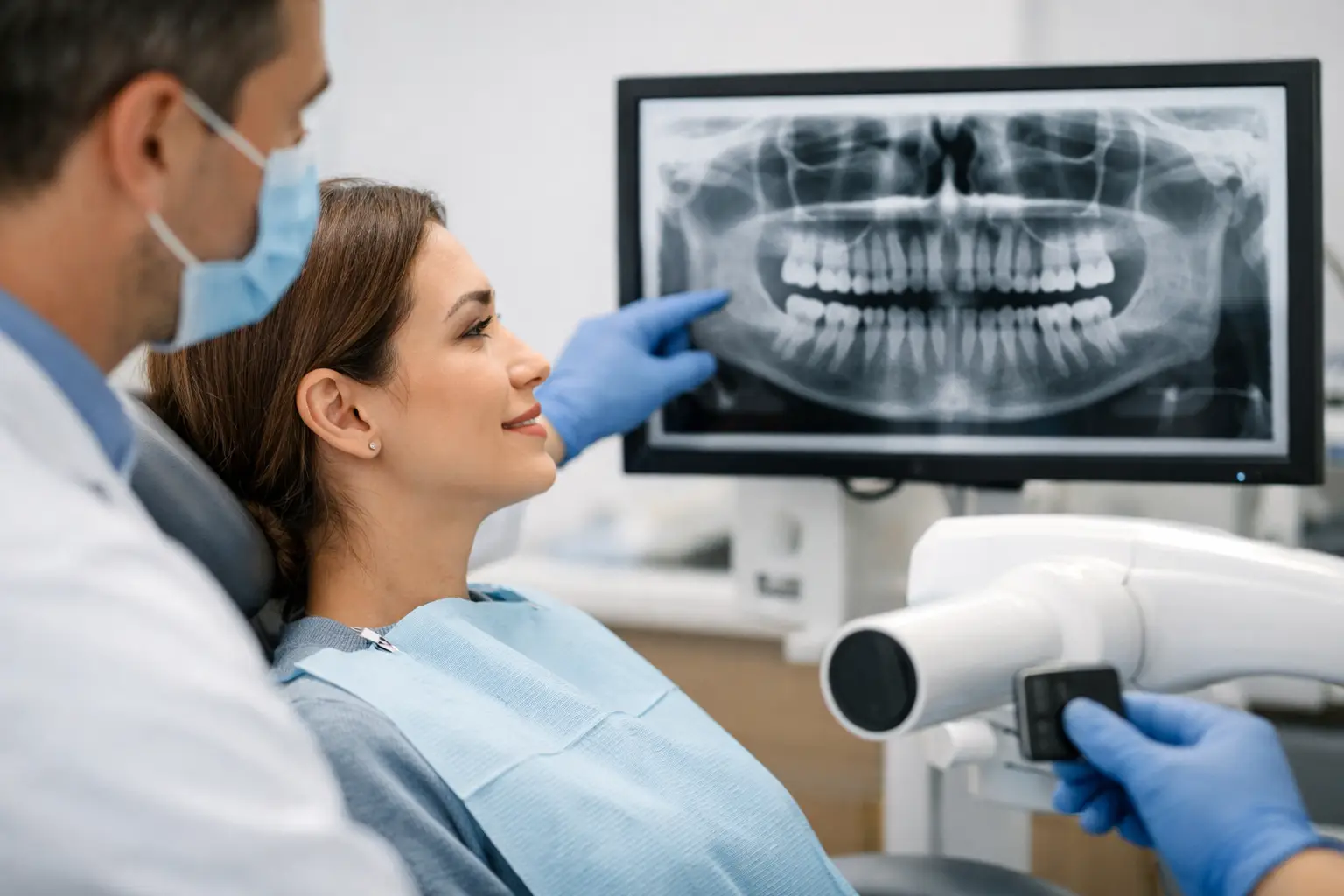
A dental X-ray can feel like a big question wrapped in a small appointment. If you have ever wondered, is digital x ray safer for you or your child, the short answer is generally yes. Digital dental X-rays typically use significantly less radiation than older film-based X-rays while giving your dentist clear, immediate images to guide your care.
That does not mean every image is automatically necessary or that all X-rays carry zero exposure. The safest approach is the one that combines modern technology with thoughtful, individualized recommendations. At a caring dental office, your health history, symptoms, age, and risk for dental problems should all shape the decision.
Is Digital X-Ray Safer Than Traditional Film X-Rays?
Digital X-rays are usually safer than traditional dental film X-rays because their sensors are more sensitive to radiation. That sensitivity allows the image to be captured with a lower dose. Depending on the equipment and type of image, digital technology can reduce radiation exposure considerably compared with older film systems.
The image also appears on a screen within seconds. Your dentist can adjust the contrast, zoom in on a small area, and review details without needing to take another image simply because a film did not develop clearly. Fewer retakes can mean less unnecessary exposure and a more efficient visit.
Digital imaging also avoids the chemical processing required for film. While that benefit is more about environmental handling than radiation safety, it is another practical reason modern dental offices have moved to digital systems.
Why Dental X-Rays Are Still Recommended
X-rays are not taken just to fill time during a checkup. They help reveal concerns that cannot be seen during a visual exam alone, including cavities between teeth, early bone loss from gum disease, infections near tooth roots, impacted teeth, and changes beneath existing fillings or crowns.
Catching these concerns early can often lead to simpler, gentler treatment. A small cavity found between two teeth may be treated with a conservative filling. If it remains hidden until it causes pain, the tooth may need more extensive care, such as a crown or root canal treatment.
For children and teens, X-rays can help your dentist monitor developing teeth, spacing, and the path of permanent teeth. For adults, they can be especially useful for checking the condition of restorations, evaluating gum and bone health, and planning treatment such as dental implants.
The value of an X-ray is not simply the image itself. It is the information that helps your dentist protect your smile before a problem becomes more uncomfortable, costly, or difficult to treat.
How Much Radiation Is In a Digital Dental X-Ray?
Radiation is measured in very small units, and the dose from a digital dental X-ray is low. Your daily environment already exposes you to naturally occurring background radiation from sources such as the ground, air, food, and even travel at higher altitudes.
Still, “low” does not mean “ignore it.” Dental professionals follow the principle of using the lowest radiation exposure needed to obtain a diagnostic image. You may hear this described as ALARA, meaning “as low as reasonably achievable.” In practical terms, it means your dental team should take X-rays only when they offer a clear benefit to your diagnosis or treatment.
The exact amount of radiation varies by the type of X-ray, the machine, the sensor, and the settings used. A single image of one or two teeth requires less exposure than a panoramic image that shows both jaws. A 3D cone beam CT scan provides valuable detail for certain cases, but it generally involves more radiation than standard two-dimensional dental X-rays. That is why 3D imaging should be used selectively, such as for implant planning, complex root evaluation, or surgical treatment planning.
What Makes Dental X-Rays Safer in a Modern Office?
Digital sensors are an important part of safer imaging, but they are only one part of the process. Careful technique and good clinical judgment matter just as much.
Your dental team should review your existing images before taking new ones. If recent X-rays are available and still provide the information needed, there may be no reason to repeat them. Your dentist should also consider your cavity risk, gum health, past dental treatment, symptoms, and any changes you have noticed.
Protective measures are used when appropriate, and staff are trained to position the sensor and equipment accurately. Good positioning reduces the chance of a retake. Modern equipment is regularly maintained and calibrated to support consistent image quality at low exposure levels.
Just as important, your dentist should explain why an image is being recommended. You deserve to understand whether the goal is to investigate tooth pain, check a suspicious area, monitor developing teeth, or establish a baseline for future care.
Are Digital X-Rays Safe During Pregnancy?
Pregnancy can make patients understandably cautious about any medical or dental procedure. Dental X-rays may be appropriate during pregnancy when they are needed to diagnose pain, infection, swelling, trauma, or another urgent concern. Untreated dental infection can create its own health risks, so delaying necessary care is not always the safer choice.
Your dentist will use modern digital imaging, minimize exposure, and tailor recommendations to your situation. Be sure to tell the office if you are pregnant or think you may be pregnant, even if your appointment is for a routine visit. This allows your care team to discuss whether imaging can wait or whether it is clinically necessary now.
For routine images that are not urgent, timing may be adjusted based on your needs and your dentist’s professional judgment. Honest communication helps you feel informed and confident rather than rushed into a decision.
When You May Need X-Rays More Often
There is no single schedule that fits every patient. Someone with a healthy mouth, low cavity risk, and stable dental work may not need the same frequency of X-rays as someone with recurring decay or active gum disease.
Your dentist may recommend images more often if you have frequent cavities, dry mouth, extensive fillings or crowns, gum disease, tooth pain, swelling, a cracked tooth, or a history of root canal treatment. Children may also need images at certain stages of development because teeth and jaws change quickly.
On the other hand, if your oral health is stable and there are no symptoms or risk factors, fewer images may be appropriate. Personalized care means avoiding both extremes: taking X-rays by routine without considering your needs, or avoiding useful imaging when it could prevent a larger problem.
Questions to Ask Before a Dental X-Ray
A trusted dental team will welcome your questions. If you feel anxious about imaging, ask what type of X-ray is being recommended and what your dentist is looking for. You can also ask whether recent images are available, whether a digital sensor will be used, and whether the image can wait if your situation is not urgent.
For a child, it is reasonable to ask how the image will help monitor development or identify hidden cavities. For a 3D scan, ask why a standard X-ray is not enough and how the additional information will affect your treatment plan.
Clear answers are part of compassionate dentistry. You should never feel embarrassed for wanting to understand the safety measures behind your care.
At Shine & Sparkle Dentistry, modern technology is used with the same goal as every other part of treatment: helping you receive precise, gentle care without more intervention than you need. If an X-ray is recommended, a conversation with your dentist can turn uncertainty into a clear next step for your healthiest smile.