6505 W Park Blvd #132 Plano, TX 75093

Missing Tooth Replacement Options That Fit You
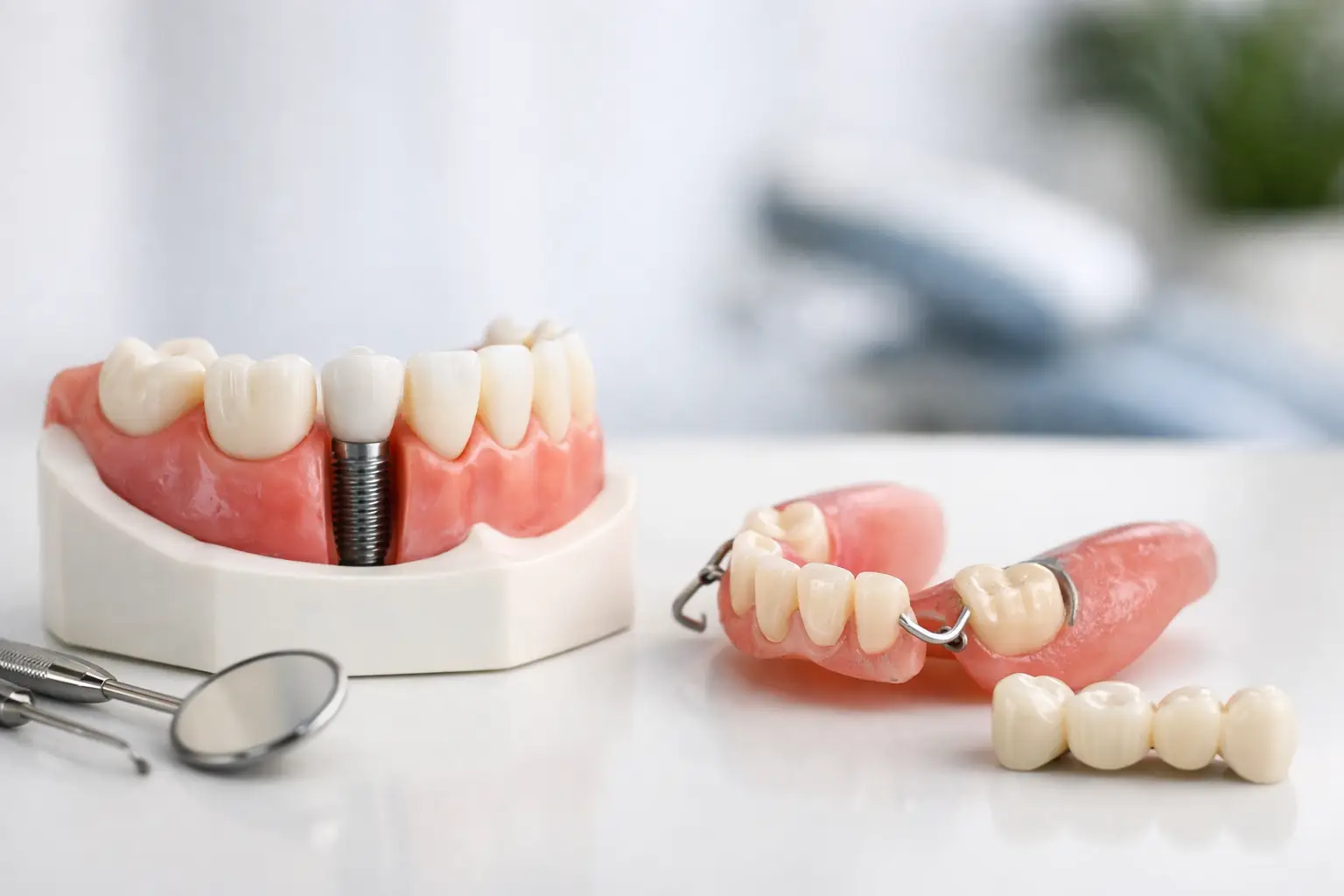
A missing tooth can change more than the way your smile looks in photos. It can make chewing less comfortable, affect the way nearby teeth fit together, and leave you wondering whether the problem will get worse over time. The good news is that today’s missing tooth replacement options can be tailored to your health, goals, timeline, and budget. You do not have to make the decision alone or feel pressured into a one-size-fits-all solution.
At a thoughtful dental visit, the first question is not simply, “Which option costs the least?” It is, “What will help you feel comfortable, protect your oral health, and work well for your daily life?” For some patients, that means a single dental implant. For others, a bridge or removable partial denture may be the right starting point. Honest guidance begins with understanding the differences.
Why Replacing a Missing Tooth Matters
When a tooth is lost, the neighboring teeth may gradually drift or tilt into the open space. That movement can alter your bite and make certain areas harder to clean. A missing back tooth may affect chewing efficiency, while a missing front tooth can make someone self-conscious about speaking or smiling.
The jawbone beneath a missing tooth can also begin to lose volume because it is no longer receiving the stimulation that comes from chewing. Bone changes do not happen overnight, and not every patient faces the same risks. Still, replacing a tooth sooner rather than later often gives your dentist more treatment choices and may help avoid added complexity later.
There are exceptions. If a wisdom tooth is missing and it does not affect your bite or function, replacement is rarely needed. The decision depends on the tooth’s location, the condition of surrounding teeth and gums, your bite, and your overall health.
Missing Tooth Replacement Options to Consider
Dental implants
A dental implant replaces the root of a missing tooth with a small titanium post placed in the jawbone. Once the area has healed, the implant supports a custom crown that looks and functions much like a natural tooth. For patients replacing one tooth, it is often the closest option to having that tooth back.
Implants are valued because they stand independently. The teeth beside the gap usually do not need to be reshaped, and the implant can help maintain bone in the area. They are also stable for eating, speaking, and smiling. With consistent brushing, flossing, and professional care, an implant can be a long-lasting solution.
That said, implant treatment takes planning and time. Healing is part of the process, and some patients need a bone graft before an implant can be placed. Smoking, uncontrolled diabetes, active gum disease, and certain medical conditions can affect candidacy or timing. Cost is another consideration, although the long-term value can be meaningful for patients who want a fixed, durable replacement.
Dental bridges
A traditional dental bridge fills a gap by attaching an artificial tooth, called a pontic, to crowns placed on the teeth next to it. The bridge is fixed in place, so it does not come out for cleaning. It can restore the appearance of a missing front tooth and help patients chew more comfortably when a back tooth is gone.
A bridge may be an especially practical choice when the neighboring teeth already need crowns because of large fillings, cracks, or other damage. Treatment is generally completed faster than an implant, and there is no surgical placement process.
The trade-off is that a traditional bridge requires preparation of the supporting teeth, even if they are otherwise healthy. Cleaning under the replacement tooth also takes a little extra care, usually with a floss threader or special interdental cleaner. A bridge can provide many years of service, but it does not stimulate the jawbone beneath the missing tooth the way an implant does.
In select situations, a resin-bonded bridge may be an option for a front tooth. This type uses a conservative wing-like attachment behind an adjacent tooth. It preserves more natural tooth structure but may not be strong enough for areas that handle heavy biting forces.
Removable partial dentures
A removable partial denture replaces one or several missing teeth with a custom appliance that rests on the gums and connects around existing teeth. Modern partials can be made with acrylic, metal, or flexible materials, depending on your needs and the design recommended for your smile.
For someone missing multiple teeth, a partial denture can be an affordable, non-surgical way to restore appearance and improve chewing. It can also serve as a temporary solution while a patient heals after an extraction or considers a more permanent treatment plan.
Because it is removable, a partial denture requires daily cleaning and must be taken out at night. It may take time to adjust to speaking and eating with it. The appliance can also need relining or adjustment as the gums and bone change. A well-designed partial should feel secure and look natural, but it will not feel identical to a fixed tooth replacement.
Full dentures and implant-supported dentures
When all teeth in an upper or lower arch are missing, a full denture can restore the smile, speech, and ability to eat many foods. Conventional dentures rest on the gums and are removable. They remain an accessible solution for many patients, especially when surgery is not desired or appropriate.
Some patients find lower dentures less stable because the tongue and lower jaw move so much throughout the day. Implant-supported dentures can offer a stronger hold. A few strategically placed implants may help a removable denture snap into place, while other designs are fixed and removed only by the dental team.
Implant support can reduce slipping and improve confidence with eating and conversation. It also comes with a higher investment and requires sufficient bone, appropriate healing, and a commitment to ongoing hygiene. The best choice depends on how much stability you want, your medical history, and the condition of your jawbone.
How to Choose the Right Option for Your Smile
There is no universal “best” replacement. An implant may be ideal for one healthy missing tooth, while a bridge may make more sense when adjacent teeth already require crowns. A partial denture may be the most sensible path when several teeth are missing and budget is a primary concern.
Your dentist should evaluate the health of your gums, remaining teeth, jawbone, bite, and any existing restorations. Digital imaging and a careful exam help reveal details that are easy to miss, such as bone loss, infection, cracked teeth, or bite pressure that could affect the success of treatment.
It is also reasonable to talk openly about priorities. Do you want a fixed solution? Are you hoping to complete treatment quickly? Is avoiding surgery important to you? Are you planning around a specific budget? Clear answers help create a plan that feels realistic, not overwhelming.
What Happens After a Tooth Is Lost
If a tooth has just come out because of trauma, call a dentist right away. In some cases, a permanent tooth can be repositioned if it is handled quickly and correctly. Hold it by the crown, not the root, gently rinse off visible dirt, and seek emergency dental care immediately. Do not delay while deciding whether it can be saved.
If the tooth was extracted or has been missing for a while, the next step is a focused consultation. The area needs to be healthy before a final restoration is placed. Your dentist may recommend treating gum disease, allowing extraction sites to heal, preserving bone with grafting, or using a temporary tooth replacement while you wait.
At Shine & Sparkle Dentistry, patients can discuss restorative choices in a comfortable setting, with clear explanations of what each treatment involves. The goal is to help you feel informed and confident, whether your treatment is simple or more complex.
A missing tooth does not need to keep you from eating comfortably, smiling freely, or protecting the health of the rest of your mouth. The right solution is the one that respects your needs now and supports the smile you want to keep for years to come.