6505 W Park Blvd #132 Plano, TX 75093

Night Guard for Teeth Grinding: Is It Worth It?
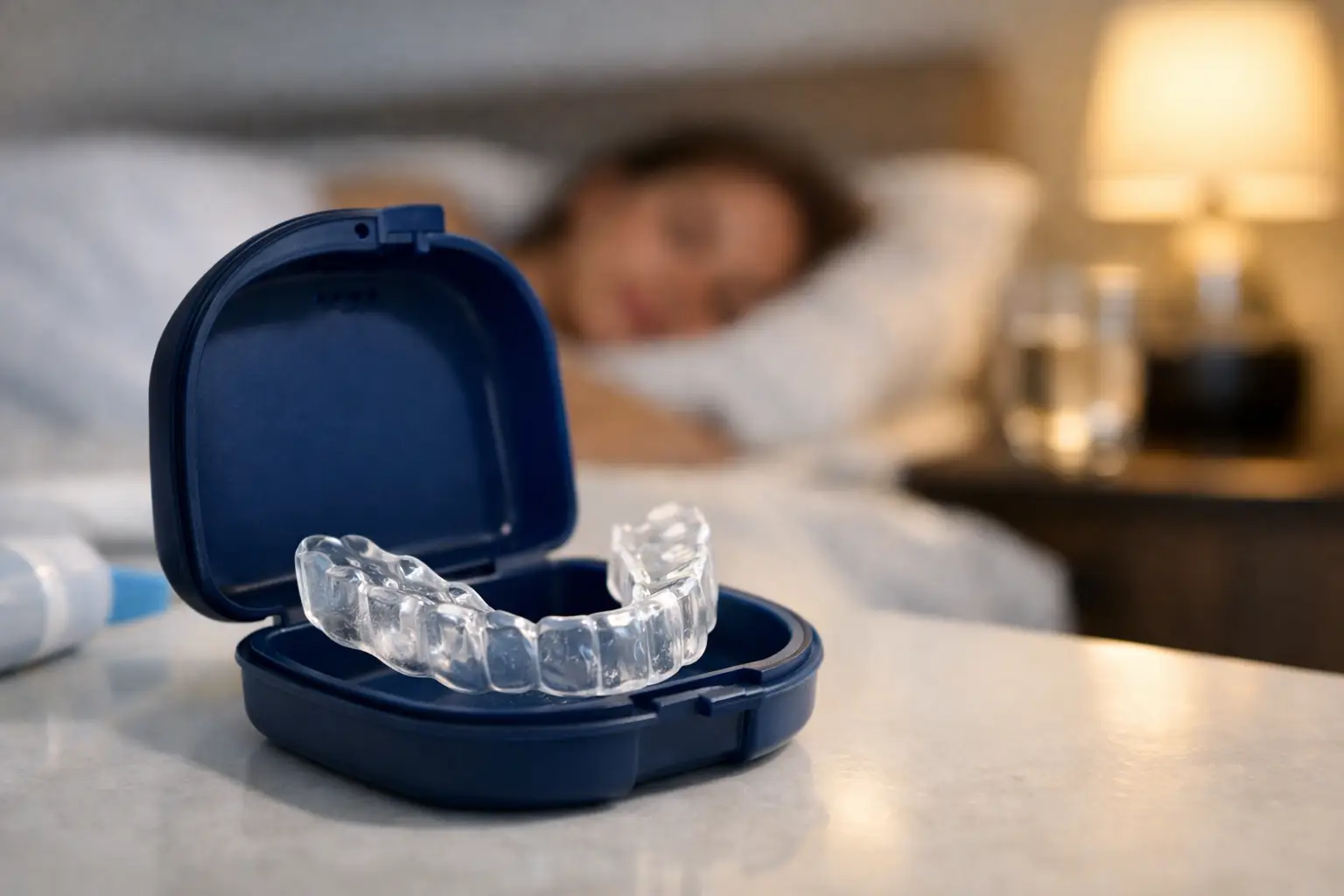
You may not notice that you clench or grind your teeth until your body starts leaving clues. A sore jaw in the morning, headaches around the temples, worn-down teeth, or a partner mentioning grinding sounds at night can all point to the same issue. For many patients, a night guard for teeth grinding is one of the simplest ways to protect their smile while also reducing stress on the jaw.
Teeth grinding, also called bruxism, is common in adults and even in children. It can happen during sleep or while you are awake and concentrating, driving, or feeling stressed. Some people grind only once in a while. Others do it often enough to chip teeth, damage dental work, or create ongoing jaw discomfort. The right treatment depends on what is causing the pressure and how much damage is already happening.
What a night guard for teeth grinding actually does
A night guard is a custom or pre-made appliance worn over the teeth, usually while sleeping. Its job is not to cure the habit itself. Instead, it creates a protective barrier between the upper and lower teeth so they are not grinding directly against each other.
That distinction matters. A guard can help prevent enamel wear, reduce the risk of cracks and chips, and lessen strain on the jaw joints and surrounding muscles. It can also protect crowns, veneers, fillings, and other dental work that may be more vulnerable under repeated pressure.
For some people, wearing a guard also makes them more aware of clenching. That awareness can carry into daytime habits, which is helpful if stress or posture is contributing to the problem. Still, if the grinding is tied to sleep issues, bite problems, medications, or TMJ symptoms, a guard may be only one part of a larger plan.
Signs you may need a night guard for teeth grinding
Not everyone with bruxism hears or feels it happening. In many cases, the first signs show up gradually. Teeth may start looking flatter or more translucent at the edges. Small chips can appear, especially on front teeth. Some patients notice increased tooth sensitivity because the protective enamel has been worn down.
Jaw tightness is another common clue. If your face feels tired when you wake up, or it hurts to open wide in the morning, grinding may be part of the picture. Headaches, ear-area discomfort, and neck tension can also overlap with clenching.
A dental exam often reveals wear patterns that patients have not noticed at home. That is one reason routine checkups matter. The earlier grinding is identified, the easier it is to protect the teeth before more significant damage develops.
Custom vs. store-bought guards
This is where many patients have questions, and the honest answer is that it depends.
Store-bought guards can be a reasonable short-term option if you need immediate protection and have not yet seen a dentist. They are usually less expensive upfront, and some are designed to be softened and molded at home. For mild, occasional grinding, they may offer some benefit.
The trade-off is fit. A bulky or uneven guard can feel uncomfortable, slip during sleep, or even encourage more clenching in some cases. If the appliance does not fit your bite well, it may not distribute pressure evenly. That can leave certain teeth or jaw muscles working harder than they should.
A custom night guard is made from impressions or digital scans of your teeth. Because it is tailored to your bite, it generally feels more secure and comfortable. That better fit often means patients are more likely to wear it consistently, which is what makes it useful in real life.
Custom guards can also be designed with the right thickness and material for your specific needs. A patient with light clenching may need something different from a patient who has already cracked fillings or is waking up with frequent jaw pain. In a dental office, the goal is not just to give you an appliance. It is to choose one that makes sense for your teeth, jaw, and symptoms.
When a night guard helps and when it is not enough
A night guard can be very effective at preventing damage, but it is not a one-size-fits-all fix.
If your main issue is nighttime clenching related to stress, the guard may provide meaningful relief and protect your smile very well. If your teeth are showing wear from grinding, it is often one of the first and most practical recommendations.
But there are cases where more evaluation is needed. If your jaw clicks, locks, or feels unstable, your symptoms may involve the temporomandibular joints. If you snore heavily, wake up tired, or stop breathing during sleep, grinding may be associated with a sleep-related breathing issue. Some medications can also increase clenching, and bite changes can contribute to uneven pressure.
That is why a careful exam matters. The right plan may include a guard, but it may also involve adjusting habits, treating damaged teeth, managing TMJ symptoms, or referring for further evaluation when needed.
What to expect from a custom dental night guard
Getting a custom guard is usually simple. Your dentist examines the teeth and jaw, looks for signs of wear, and asks about symptoms such as headaches, sensitivity, broken restorations, or facial soreness. Impressions or digital scans are then taken so the appliance can be made to fit precisely.
Once it is ready, the guard is checked for comfort and balance. Small adjustments may be made so it sits properly and does not create unwanted pressure points. Patients are shown how to insert it, remove it, and clean it.
Most people need a short adjustment period. The first few nights can feel a little unusual, just like getting used to a retainer. A well-made guard should not feel painfully tight or so bulky that it keeps you from sleeping. If it does, it should be rechecked rather than forced.
With regular use, many patients notice less morning tension and greater peace of mind knowing their teeth are protected overnight.
Caring for your night guard
A guard works best when it is clean and in good condition. It should be rinsed after use and gently brushed with a soft toothbrush. Hot water should be avoided because it can warp the material. When not in use, it should be stored in a ventilated case.
It is also smart to bring it to dental visits. Guards can wear down over time, especially in strong grinders, and your dentist can check whether it still fits correctly. In a way, the wear on the appliance can also tell a story. Heavy marks may confirm how much force your teeth and jaw have been absorbing during sleep.
Why ignoring teeth grinding can get expensive
One of the biggest misconceptions about grinding is that it is only a minor habit. In reality, repeated pressure can create very real dental problems.
Teeth can chip, crack, flatten, and become more sensitive. Fillings and crowns may break or loosen. Gum recession can appear worse when teeth are under constant force. In severe cases, the bite can change enough to affect both comfort and appearance.
Treatment for that damage is often much more involved than preventing it in the first place. Protecting natural teeth is always the goal. A night guard is often a small step that helps patients avoid bigger restorative needs later.
When to schedule a dental evaluation
If you are waking up with jaw pain, seeing new wear on your teeth, breaking restorations, or dealing with frequent tension headaches, it is worth getting checked. Even if you are not sure whether grinding is the cause, a dental exam can usually identify signs that point in the right direction.
At Shine & Sparkle Dentistry, we take a personalized approach because not every case of bruxism looks the same. Some patients simply need a comfortable custom guard and reassurance. Others need a closer look at bite changes, damaged teeth, or TMJ-related symptoms. Either way, the best care starts with a clear explanation and a plan that feels manageable.
If your teeth are taking the pressure every night, they do not have to keep doing it alone. A thoughtfully fitted night guard can be a quiet form of protection – one that helps you sleep easier and wake up with more confidence in your smile.