6505 W Park Blvd #132 Plano, TX 75093

Stopping Nighttime Teeth Grinding at Home
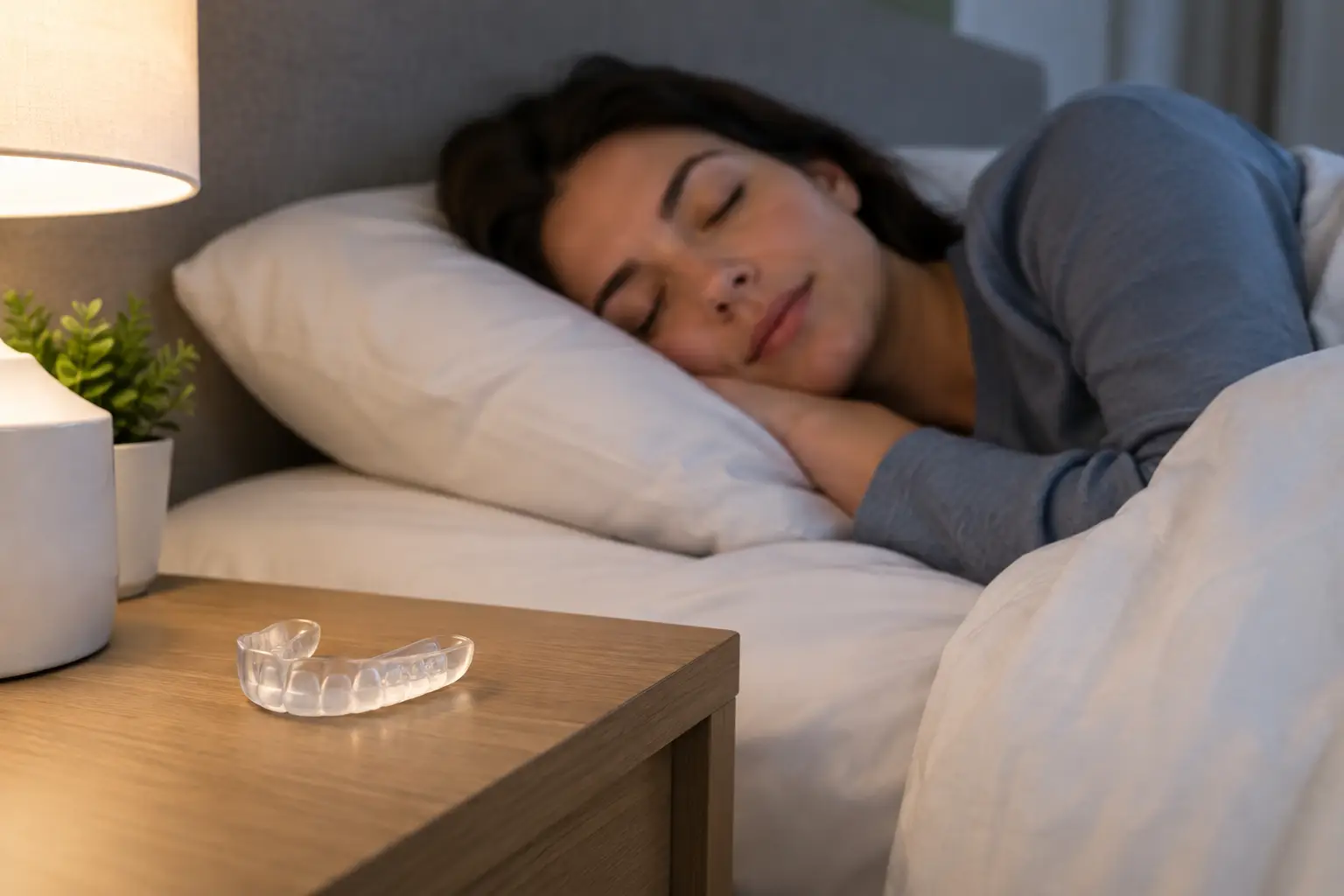
Waking up with a sore jaw, tight temples, or teeth that feel unusually sensitive can make the morning start on the wrong note. For many people, stopping nighttime teeth grinding is less about finding one quick fix and more about protecting the teeth while identifying what is keeping the jaw active during sleep.
Teeth grinding, also called sleep bruxism, can happen without any awareness at all. A partner may hear the sound first, or a dentist may spot flattened edges, small cracks, gum recession, or wear on restorations during a routine visit. The good news is that gentle, personalized care can help reduce the damage and make sleep more comfortable.
Why nighttime teeth grinding happens
Nighttime grinding is not always caused by stress, although stress and anxiety can certainly make it worse. Your jaw muscles may stay tense after a demanding day, causing clenching or grinding while you sleep. Poor sleep, frequent caffeine or alcohol use close to bedtime, certain medications, and tobacco can also play a role.
Sometimes the issue is connected to the way the teeth come together or to jaw joint concerns, commonly called TMJ or TMD. Sleep disorders, including sleep apnea, may also be associated with nighttime grinding. That is why a one-on-one dental evaluation matters. Treating only the sound of grinding without considering its cause can leave you with ongoing discomfort or continued tooth damage.
Grinding is not always loud. Clenching can be completely silent, yet place significant pressure on teeth, fillings, crowns, and the jaw joint. A person who clenches may notice muscle fatigue more than worn teeth.
Signs it is time to schedule a dental visit
Occasional jaw tension after a stressful week does not automatically mean you have a serious dental problem. Still, it is wise to have persistent symptoms checked before minor wear becomes a fractured tooth or a painful restoration issue.
Common signs include morning headaches, jaw soreness, facial muscle tenderness, ear-area pain, tooth sensitivity, chipped or flattened teeth, or a jaw that clicks, catches, or feels tired when chewing. A partner may also report hearing grinding at night.
At a dental appointment, your dentist can examine the bite, tooth surfaces, gums, existing dental work, and jaw muscles. Digital imaging may be recommended if there are signs of cracks, infection, bone changes, or joint concerns. The goal is not to alarm you. It is to give you a clear picture of what is happening and the most conservative path forward.
Stopping nighttime teeth grinding: Start with protection
If you are grinding in your sleep, protecting your teeth is often the first priority. A custom night guard is made from impressions or digital scans of your mouth and designed to fit your teeth precisely. It creates a protective barrier and helps distribute biting force more safely.
Over-the-counter guards can be useful as a short-term option for some people, especially while waiting for an appointment. However, boil-and-bite guards are bulkier and may fit unevenly. If they feel uncomfortable, change your bite, fall out, or seem to increase jaw tension, stop using them and ask your dentist for guidance.
A custom guard is not a cure for the underlying habit, but it is a valuable preventive tool. It can help protect natural enamel as well as crowns, veneers, fillings, and implants from excessive force. Your dentist can also monitor the guard for wear patterns that reveal how much pressure your jaw is producing over time.
Make your evening routine easier on your jaw
Small nighttime changes can help calm the muscles that do the grinding. They are most useful when practiced consistently, not only on the nights when your jaw already hurts.
Begin by noticing your resting jaw position during the day. Your lips can be together, but your teeth should generally be apart. A simple reminder such as “lips together, teeth apart” can interrupt unconscious daytime clenching, which often carries into the evening.
In the hour before bed, choose activities that reduce stimulation rather than add more tension. A warm shower, gentle stretching, quiet reading, slow breathing, or a warm compress along the jaw may help muscles relax. Avoid aggressive jaw exercises or forceful stretching without professional advice, particularly if your jaw clicks or locks.
It may also help to limit caffeine, nicotine, and alcohol later in the day. These are not universal triggers, and eliminating them is not necessary for everyone. Still, if you notice more jaw soreness after an evening coffee, alcoholic drink, or late-night scrolling session, that pattern is worth discussing with your dentist and physician.
Address stress without blaming yourself
Stress is a frequent contributor to teeth grinding, but it should not be treated as a personal failure or the only explanation. Bruxism can happen even when life feels manageable. That said, a realistic stress-management routine can make a meaningful difference for many patients.
Try building a short transition between work and sleep. Write down tomorrow’s tasks, silence work notifications, and give yourself 10 minutes for a calming activity before getting into bed. If worry, panic, low mood, or sleep disruption is affecting your daily life, speaking with a qualified mental health professional can be an important part of your overall care.
For some patients, medication changes may be relevant. Do not stop a prescribed medication because of grinding without talking with the clinician who prescribed it. Your dental team can share observations about tooth wear and jaw symptoms, while your physician can help evaluate whether another treatment approach is appropriate.
When your bite or jaw joint needs attention
A night guard is often enough to protect teeth, but not every case should be managed the same way. If there is significant tooth wear, broken dental work, chronic jaw pain, limited opening, frequent headaches, or changes in the way your teeth fit together, further treatment may be needed.
Depending on the findings, care may include restoring worn or damaged teeth, adjusting a restoration that is interfering with the bite, or coordinating with a physician, sleep specialist, physical therapist, or TMJ-focused provider. Orthodontic treatment is not automatically the answer to grinding, and irreversible bite adjustments should never be rushed. A thoughtful examination helps determine what is appropriate for your specific smile and comfort.
If you snore loudly, wake up gasping, feel excessively sleepy during the day, or have been told you stop breathing in sleep, mention it. These symptoms deserve medical evaluation, especially when they occur alongside grinding.
Protect your smile before wear becomes painful
Grinding rarely improves because teeth are simply tough enough to handle it. Enamel does not grow back, and a small chip can turn into a larger crack when pressure continues night after night. Early care is often simpler, more comfortable, and more affordable than waiting for pain or a broken tooth.
At Shine & Sparkle Dentistry, patients can expect honest guidance, a gentle touch, and a clear explanation of what the exam shows. Whether you need a custom night guard, help with damaged teeth, or a closer look at persistent jaw discomfort, the right plan should feel personal and manageable.
You do not have to accept morning jaw pain as part of your routine. A dental visit can give you practical protection now and a clearer path toward more restful nights ahead.