6505 W Park Blvd #132 Plano, TX 75093

Wisdom Teeth Extraction: A Calm, Clear Guide
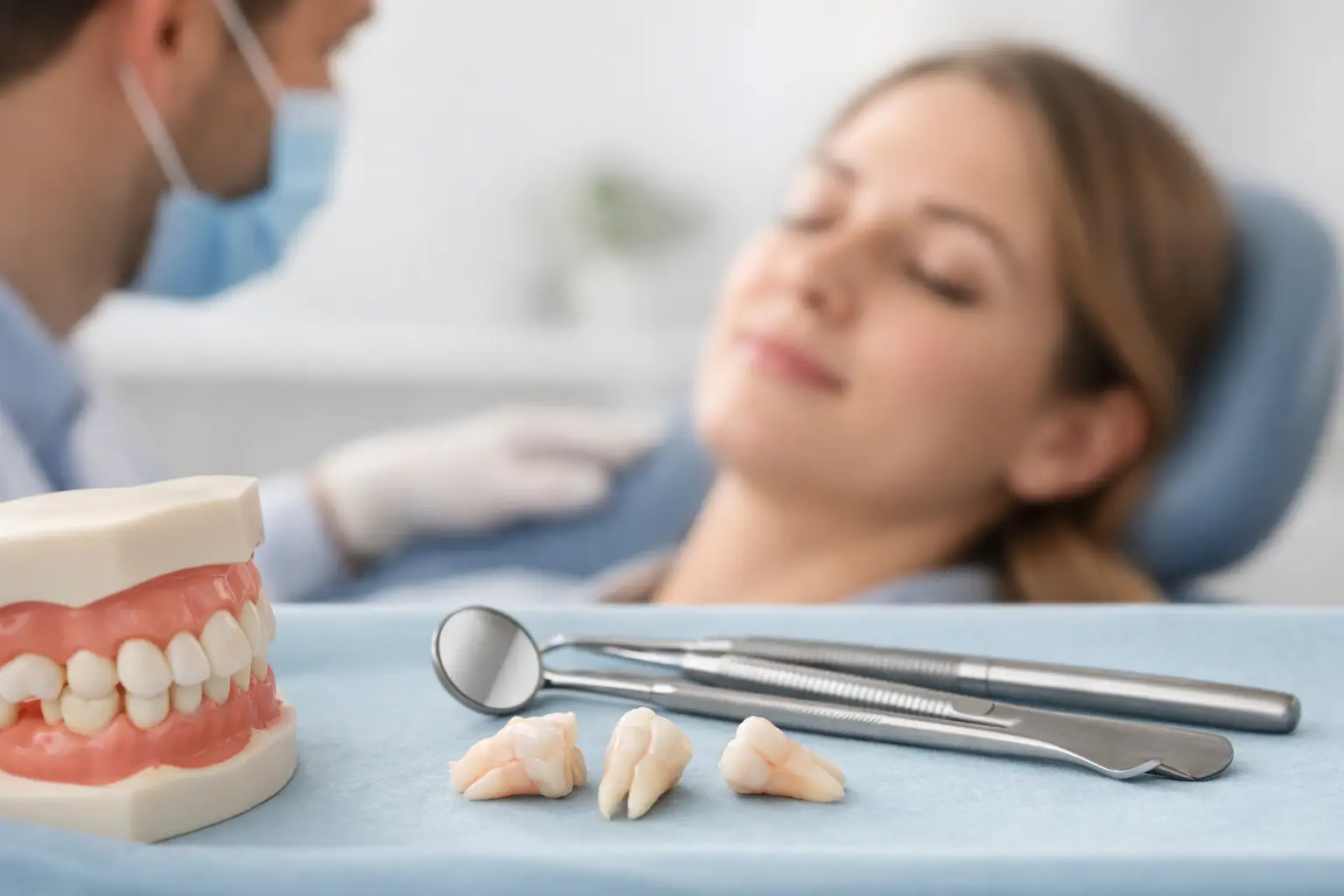
A wisdom tooth can stay quiet for years, then suddenly make chewing painful, swell the gum behind your last molar, or wake you up with a throbbing ache. Wisdom teeth extraction is often recommended to prevent those problems from becoming more serious, but the decision should never feel rushed or unexplained. With a careful exam, clear imaging, and an honest conversation, you can understand what is happening and feel prepared for each step.
When Is Wisdom Teeth Extraction Needed?
Wisdom teeth are the third molars at the very back of the mouth. Most people develop them in their late teens or early twenties, although timing varies. Some wisdom teeth grow in straight, have enough room, and can be cleaned effectively. In that case, removal may not be necessary.
The concern is often a lack of space. A wisdom tooth may come in at an angle, remain partly covered by gum tissue, or stay trapped beneath the gums and bone. These are commonly called impacted wisdom teeth. When they cannot erupt normally, they can place pressure on neighboring teeth or create areas that are difficult to keep clean.
Your dentist may recommend removal if a wisdom tooth is causing pain, repeated gum inflammation, decay, infection, damage to the tooth in front of it, or a cyst-like change around the tooth. Sometimes removal is advised before symptoms begin because the tooth’s position makes future problems likely. The best timing depends on your age, the shape and position of the roots, your overall health, and what your X-rays show.
Crowding alone is not always a reason to remove wisdom teeth. Every mouth is different, and a trustworthy recommendation should be based on your specific findings, not a one-size-fits-all rule.
What Happens Before Your Procedure
A consultation is your opportunity to ask questions and get straightforward answers. Your dentist will review your medical history, medications, allergies, and any past concerns with anesthesia or dental treatment. Digital X-rays help show the tooth’s position, root development, and its relationship to nearby structures.
This planning matters, especially for lower wisdom teeth. Their roots can sit near a nerve that affects feeling in the lower lip and chin. Seeing that anatomy clearly helps your dental team choose the safest approach and explain any relevant risks before treatment.
You will also discuss comfort options. For many routine extractions, local anesthetic is enough to thoroughly numb the area. Depending on the complexity of the case and your level of anxiety, additional sedation options may be appropriate. You should not feel sharp pain during the procedure. You may feel pressure or movement, but your comfort should be checked throughout your visit.
If you are receiving sedation, follow fasting instructions exactly and arrange for a responsible adult to drive you home. Being prepared before your appointment makes the experience calmer and supports a safer recovery.
What Wisdom Teeth Extraction Feels Like
The actual removal is usually more efficient than patients expect. Once the area is numb, the dentist gently loosens the tooth and removes it. If a tooth is impacted, a small opening in the gum may be needed. The tooth may also be divided into smaller sections so it can be removed with less stress on the surrounding tissue.
Afterward, gauze is placed over the site to help a blood clot form. That clot is an essential part of healing. In some cases, dissolvable stitches are used. Before you leave, you should receive personalized written instructions, including how to manage discomfort and when to contact the office.
It is completely normal to feel nervous beforehand. Tell your dental team if you have had a difficult dental experience in the past or if anxiety keeps you from seeking care. Gentle treatment starts with listening, explaining what will happen, and adjusting care to help you feel in control.
Recovery: The First Week Matters Most
Most people notice the most swelling and tenderness during the first two to three days. Symptoms then gradually improve. Recovery is not identical for everyone: removing one fully erupted tooth is often easier than removing several deeply impacted teeth, and your age and general health can affect healing time.
For the first 24 hours, rest and protect the blood clot. Bite gently on gauze as instructed, eat soft foods, and use a cold pack against the outside of your face in short intervals to help with swelling. Choose water and other non-carbonated drinks, but do not use a straw. The suction can dislodge the clot.
Avoid smoking or vaping during recovery, as these can slow healing and increase the risk of dry socket. Dry socket occurs when the clot comes out too early and exposes the underlying bone. It can cause significant, worsening pain a few days after extraction and needs prompt dental attention.
For several days, stick with comfortable foods such as yogurt, scrambled eggs, mashed potatoes, applesauce, soup that has cooled, and smoothies eaten with a spoon. Avoid crunchy foods, seeds, nuts, spicy foods, and anything that may get trapped in the extraction area. Once your dentist says it is appropriate, gently rinse with warm salt water to keep the area clean. Continue brushing the rest of your mouth carefully, staying away from the surgical site at first.
Take prescribed or recommended pain medication only as directed. Do not assume that more medication will help you heal faster. If you have questions about medication interactions or a health condition such as diabetes, ask before your procedure so your care plan can be tailored to you.
When to Call Your Dentist
Some bleeding or oozing on the day of surgery is expected, and swelling can be part of normal healing. However, you should contact your dental office if bleeding does not slow with firm gauze pressure, pain becomes severe or increases after initially improving, swelling worsens after several days, or you develop fever, a rash, trouble swallowing, or difficulty breathing.
Call promptly if you notice persistent numbness, a bad taste or drainage that concerns you, or signs of an allergic reaction to medication. If you have difficulty breathing or swallowing, seek emergency medical care immediately. It is always better to ask a question early than to wait while discomfort gets worse.
The Benefits of Timely Care
Removing a problematic wisdom tooth can relieve recurring pain and make the back of your mouth easier to keep healthy. It may protect the neighboring molar from decay, gum disease, and damage caused by pressure or trapped food. For patients facing repeated infections, treatment can also mean fewer unexpected disruptions to work, school, and family life.
Still, extraction is a clinical decision, not an automatic milestone. A tooth that is healthy, functional, fully erupted, and easy to clean may simply need monitoring during regular checkups. Honest guidance means discussing both options and recommending treatment only when it supports your long-term oral health.
At Shine & Sparkle Dentistry, the goal is to make even a complex dental need feel manageable. You deserve a team that explains your X-rays in plain language, respects your comfort, and gives you a recovery plan you can follow with confidence.
If a wisdom tooth is bothering you, do not wait for a small ache to turn into a difficult weekend. A thoughtful evaluation can give you clarity, relief, and a practical next step toward feeling comfortable in your smile again.