6505 W Park Blvd #132 Plano, TX 75093

How Often Should Teeth Be Cleaned?
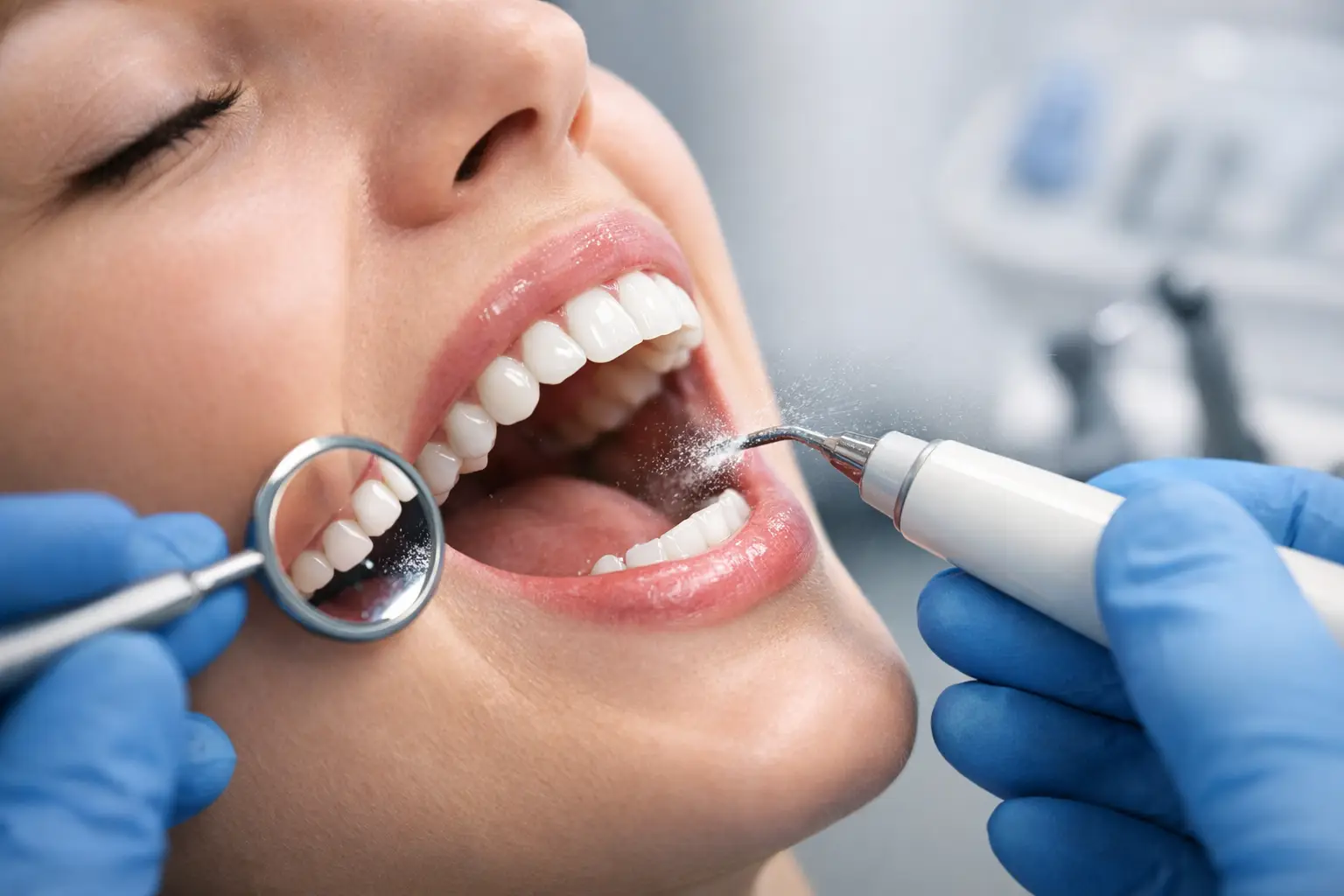
A lot can happen in six months – plaque hardens into tartar, gums get a little more irritated, and a small cavity can quietly grow into a bigger problem. That is why so many patients ask, how often should teeth be cleaned? The short answer is usually every six months, but the right schedule depends on your oral health, your risk factors, and how your gums and teeth are doing over time.
For many people, twice-yearly dental cleanings are enough to keep buildup under control and catch issues early. But that rule is not one-size-fits-all. Some patients do well with cleanings every six months for years, while others need to come in every three or four months to protect their gums, manage plaque, or stay ahead of recurring dental problems.
How often should teeth be cleaned for most people?
For healthy adults and children with a low risk of dental disease, professional cleanings every six months are the standard recommendation. That timing gives your dental team a chance to remove tartar that brushing and flossing cannot handle at home, monitor for early decay, and check for changes in your gums, bite, or existing dental work.
Six months is common because it strikes a good balance. It is frequent enough to prevent many problems from building up, but not so frequent that patients are coming in more than they need to. If you brush well, floss consistently, eat a fairly balanced diet, and do not have a history of gum disease or frequent cavities, this schedule often works very well.
Still, a six-month recall is a starting point, not a lifetime rule. Dental care is more personal than that.
Why some people need cleanings more often
If your dentist recommends cleanings every three or four months, it does not necessarily mean something is wrong. It usually means you have risk factors that make plaque, tartar, inflammation, or decay more likely.
Gum disease is one of the biggest reasons for more frequent visits. When gums are inflamed or pockets begin forming around the teeth, bacteria have more places to hide. More frequent cleanings help reduce that bacterial load and support healing. Patients who have had scaling and root planing, or who have a history of periodontal disease, often benefit from periodontal maintenance visits several times a year.
Frequent cavities are another reason. If you tend to develop decay despite decent home care, your dentist may want to monitor you more closely. Dry mouth, certain medications, a high-sugar diet, orthodontic appliances, and deep grooves in the teeth can all raise cavity risk.
Some patients also build tartar quickly no matter how careful they are. Saliva chemistry, crowded teeth, and genetics all play a role. In those cases, more frequent cleanings are not a judgment on your habits. They are simply the most practical way to keep your mouth healthier.
When every six months may not be enough
There are a few situations where waiting a full six months can allow problems to progress more than you would want. If your gums bleed often, your breath stays bad even with brushing, or your teeth feel fuzzy again not long after a cleaning, those are signs your mouth may need more support.
Pregnancy can also affect cleaning frequency. Hormonal changes can make gums more reactive and more prone to inflammation. People with diabetes may need closer monitoring too, since blood sugar and gum health can affect each other. Smokers and former smokers are another group that may benefit from shorter intervals, especially if there is any sign of gum recession or bone loss.
For kids and teens, the answer can vary as well. Many children do great on a six-month schedule, but those with braces, poor brushing habits, or a history of cavities may need more attention. Parents are often surprised by how quickly plaque can collect around brackets and wires.
How often should teeth be cleaned if you have gum disease?
If you have active gum disease or a history of it, cleanings are often recommended every three to four months instead of every six. That schedule is often called periodontal maintenance rather than a routine cleaning, because the goal is not just polishing the teeth. It is helping control the bacteria and inflammation that can damage the gums and supporting bone.
This matters because gum disease is chronic. It can improve, but it can also flare up again if maintenance visits are spaced too far apart. A patient may feel fine and still have inflammation quietly returning below the gumline.
That said, not every patient with gum issues needs the exact same interval forever. Some stabilize and can gradually move to less frequent care. Others need tighter follow-up long term. The best schedule is based on how your gums respond, how well you can clean at home, and what your dental exam shows over time.
What a professional cleaning does that brushing cannot
Even excellent home care has limits. Once plaque hardens into tartar, it cannot be brushed away. It has to be removed with professional instruments. That is one reason regular cleanings matter even for patients who are diligent at home.
A cleaning also gives your dental team a chance to spot early warning signs before they become painful or expensive. Small cavities, worn fillings, enamel cracks, early gum inflammation, and signs of grinding are often easier to manage when caught early.
There is also the comfort factor. Most people notice their teeth feel smoother and cleaner after a professional visit, and their breath often improves too. If you are trying to maintain a brighter, healthier-looking smile, prevention plays a big role.
Signs you may be overdue for a cleaning
Sometimes patients wait until something hurts, but many dental problems do not hurt right away. If you are not sure whether it is time to come in, pay attention to changes like bleeding when brushing or flossing, persistent bad breath, tenderness near the gums, visible tartar near the gumline, or teeth that feel more sensitive than usual.
Stains and surface buildup can also be clues. Coffee, tea, red wine, and tobacco can leave behind deposits that a regular toothbrush will not fully remove. While appearance is not the only reason to schedule a cleaning, many patients appreciate that preventive visits help support both oral health and smile confidence.
The role of home care between visits
No cleaning schedule can fully make up for inconsistent home care. Professional visits are important, but what you do every day matters just as much. Brushing twice a day with fluoride toothpaste, flossing daily, and keeping up with any recommendations from your dentist can make a major difference in how often you need treatment.
If you are prone to plaque buildup, your dentist may suggest an electric toothbrush, a water flosser, prescription toothpaste, or more targeted cleaning around crowns, implants, or braces. These small adjustments can help you stay healthier between visits and may reduce the need for more intensive treatment later.
This is also where honest communication matters. If flossing is hard, if you gag with X-rays, or if dental anxiety has caused you to delay care, say so. A good dental team can work with you and make the plan more manageable.
So, what is the right cleaning schedule for you?
The most accurate answer to how often should teeth be cleaned is this: often enough to prevent problems, but not based on guesswork. For many people, that means every six months. For others, it means every three or four months because their gums, cavity risk, or medical history call for closer care.
The goal is not to fit everyone into the same schedule. The goal is to keep your mouth healthy, catch changes early, and help you feel confident about your smile. At a patient-focused practice like Shine & Sparkle Dentistry, that conversation should feel clear, personalized, and pressure-free.
If it has been a while since your last cleaning, the best next step is simply to get an exam and find out where things stand. The right timing becomes much easier to answer when it is based on your teeth, your gums, and your real needs – not a generic rule.