6505 W Park Blvd #132 Plano, TX 75093

A Smile Makeover Case Study With Lasting Results
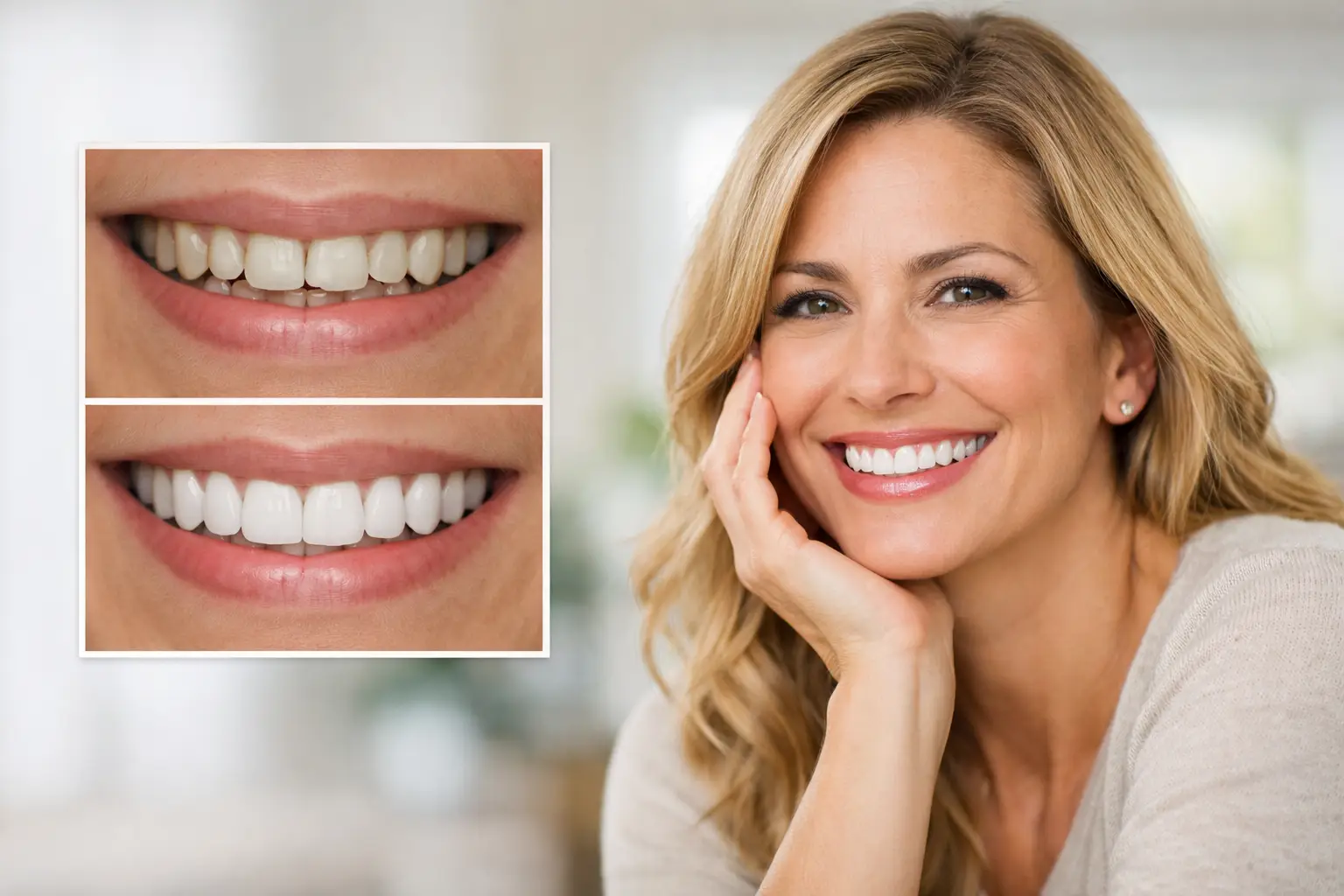
A smile can change gradually enough that it is easy to overlook the difference. A front tooth chips, edges become shorter, old bonding stains, and photos start to feel less comfortable than they should. This smile makeover case study follows a representative patient journey to show how thoughtful cosmetic dentistry can improve appearance while protecting the health and function of the teeth underneath.
The patient in this example is not a one-size-fits-all cosmetic case. Like many adults in Plano, she wanted a brighter, more balanced smile but was understandably concerned about looking unnatural, removing too much healthy tooth structure, or committing to treatment without clear answers. Her goals were simple: smile freely, look like herself, and feel confident that the plan made sense for her long-term oral health.
The Starting Point: More Than a Cosmetic Concern
Our representative patient was in her early 40s and had avoided smiling widely in pictures for several years. Her main concerns were uneven front teeth, discoloration that did not respond well to over-the-counter whitening products, and a small chip on one upper front tooth.
During her exam, the cosmetic concerns were clear, but so were the reasons to slow down and plan carefully. She had signs of nighttime clenching, slight wear along several front teeth, and older fillings that no longer matched the color of her natural enamel. Her gums were healthy overall, though there was mild inflammation around a few areas that needed attention before cosmetic work began.
This is where a good smile makeover differs from simply choosing the whitest shade or placing veneers as quickly as possible. Worn enamel, bite pressure, gum health, tooth position, and existing restorations all affect which treatment will be reliable. A beautiful result should also be comfortable to bite with, easy to clean, and designed to hold up in everyday life.
Smile Makeover Case Study: Building the Right Plan
The first appointment focused on listening. The patient described what she liked about her own smile, what bothered her most, and what she hoped would change. She did not want a smile that looked overly uniform or dramatically different from her face. She wanted a refreshed version of her natural smile.
Next came a comprehensive evaluation. Digital imaging, photographs, an examination of her bite, and a review of her gum health gave the dental team a complete view of the situation. Rather than recommending the same procedure for every tooth, the treatment was divided into stages.
First, the patient received a professional cleaning and personalized guidance for reducing gum inflammation. This step was modest but meaningful. Healthy gums create a more attractive frame for the teeth, and they provide a stable foundation for restorative and cosmetic treatment.
Because clenching had contributed to tooth wear, the plan also included a custom nightguard after treatment. Addressing this concern helped protect the investment in her new smile. Ignoring bite forces may lead to repeated chips, fractures, or early wear on otherwise excellent cosmetic work.
Why Whitening Came First
The patient chose professional whitening before replacing visible older fillings or improving the chipped tooth. Whitening natural teeth first allows restorations such as bonding, veneers, or crowns to be matched to the final tooth color rather than to a darker starting shade.
This sequencing also gave her a chance to see how much improvement whitening alone could offer. In some cases, a patient may find that a brighter smile changes their priorities and reduces the amount of cosmetic treatment they want. In this case, whitening improved the overall color but did not correct the uneven edges, chip, or mismatched old fillings.
Choosing Conservative Cosmetic Treatment
After whitening, the patient and dentist reviewed several options. Porcelain veneers could have created a highly uniform appearance across the front teeth. Crowns may have been appropriate if teeth had large fractures or extensive old restorations. However, her teeth were structurally sound enough that a more conservative approach was a better fit.
The final plan combined cosmetic bonding on the chipped and uneven front teeth with replacement of the visible, discolored fillings. Minor enamel contouring helped refine the edges and improve symmetry. This approach preserved more natural tooth structure while addressing the issues most noticeable when she smiled.
There is a trade-off with bonding: it can be an excellent, conservative option, but it may stain or chip over time and often needs maintenance sooner than porcelain. The patient appreciated having that explained clearly. She chose bonding because it matched her goals, timeline, and preference to keep treatment conservative.
The Treatment Experience: Gentle, Predictable, and Personal
Cosmetic dentistry should never feel rushed. Before treatment began, the patient had time to review the shade, shape, and expected outcome. Small details matter. A tooth that is technically perfect but too long, too bright, or too squared for the patient’s features can feel unfamiliar in the mirror.
During the bonding appointment, the dentist carefully prepared the tooth surfaces, applied tooth-colored composite material in layers, and shaped each area to blend with the surrounding enamel. The work was refined so that light reflected naturally across the front teeth rather than making them appear flat or opaque.
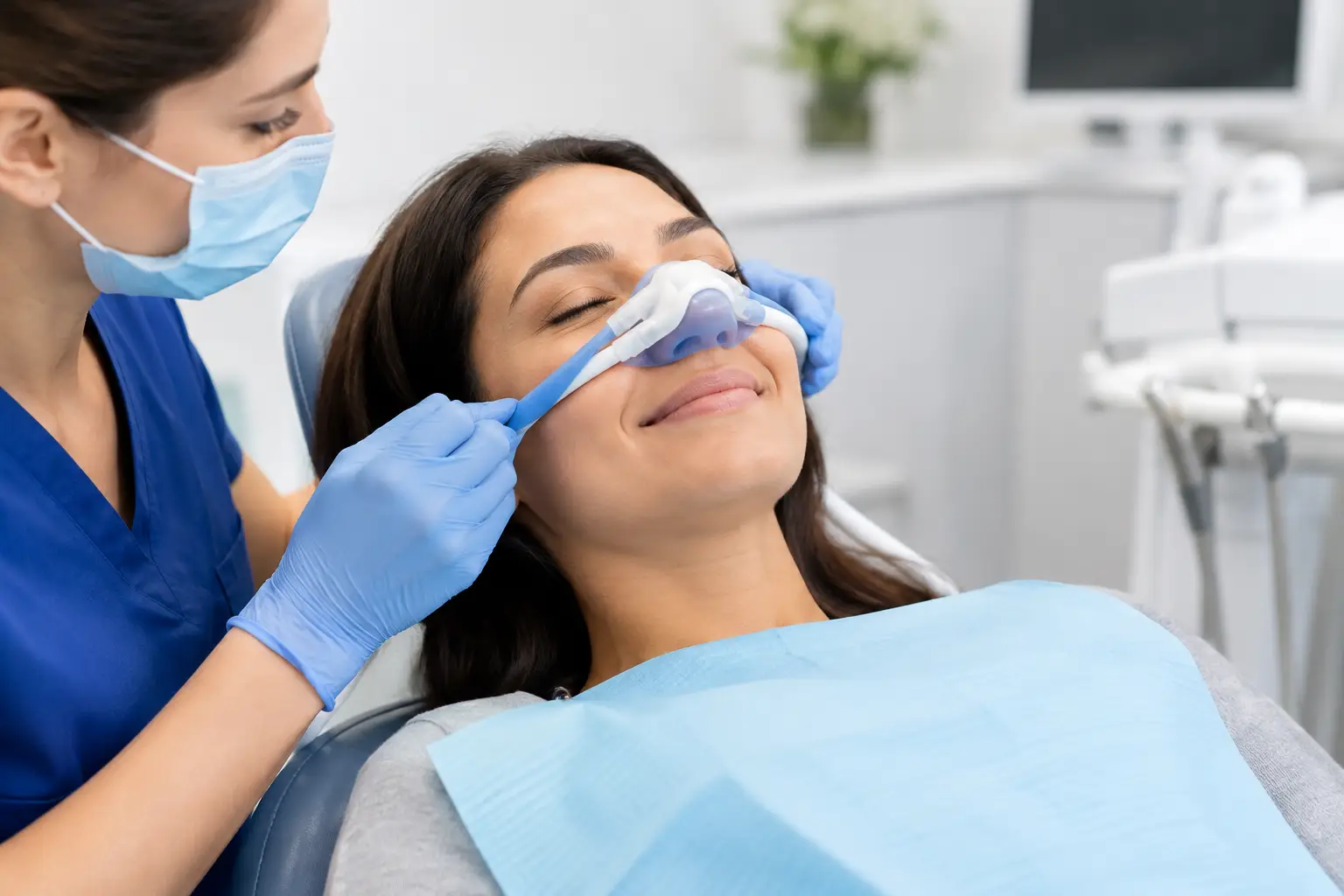
For patients who feel anxious in the dental chair, comfort is not a small detail. Clear communication, breaks when needed, and a gentle touch can make cosmetic care feel much more manageable. At Shine & Sparkle Dentistry, treatment discussions are designed to help patients feel informed and confident before moving forward.
The patient returned for a follow-up visit so the bite could be checked after she had time to use her smile normally. This step is especially valuable after changing front-tooth contours. Even slight adjustments can make a noticeable difference in comfort when speaking, chewing, or bringing the teeth together.
The Result: A Smile That Still Looked Like Her
The final result was not about creating a completely different person. Her smile looked brighter, more even, and more polished, while retaining the small natural characteristics that made it her own. The chipped edge was no longer distracting, the older fillings blended with her teeth, and the front teeth appeared more balanced in photos.
Just as importantly, the patient had a plan for maintaining the result. She received her nightguard to reduce pressure from clenching, instructions for caring for the bonded teeth, and a schedule for regular cleanings and exams. Cosmetic treatment lasts best when it is supported by preventive care.
A smile makeover can improve confidence, but no honest dentist should promise that every person needs the same solution. Some patients benefit most from whitening and bonding. Others may need orthodontic treatment first to improve tooth position, or periodontal care to create healthy, even gum contours. When teeth are severely damaged, crowns or implants may be the safer, longer-lasting option.
What This Case Can Teach You About Your Own Smile
If you are considering cosmetic dentistry, start by thinking beyond a single procedure. Ask what is causing the concern, whether your gums and bite are healthy, and what level of maintenance you are comfortable with. A clear treatment plan should explain what is urgent, what is optional, how long results may last, and what alternatives are available.
It also helps to bring photos or examples of smiles you like, along with a willingness to talk honestly about what you do not want. Some patients want a subtle change that coworkers may not immediately notice. Others want a brighter, more dramatic transformation. Both goals are valid when the treatment is safe and tailored to the person wearing the smile.
The most rewarding cosmetic results tend to begin with a conversation, not a sales pitch. If your smile no longer feels like a reflection of you, a personalized exam can give you practical answers and a comfortable path forward.