6505 W Park Blvd #132 Plano, TX 75093

A Complete Guide to Gum Disease and Treatment
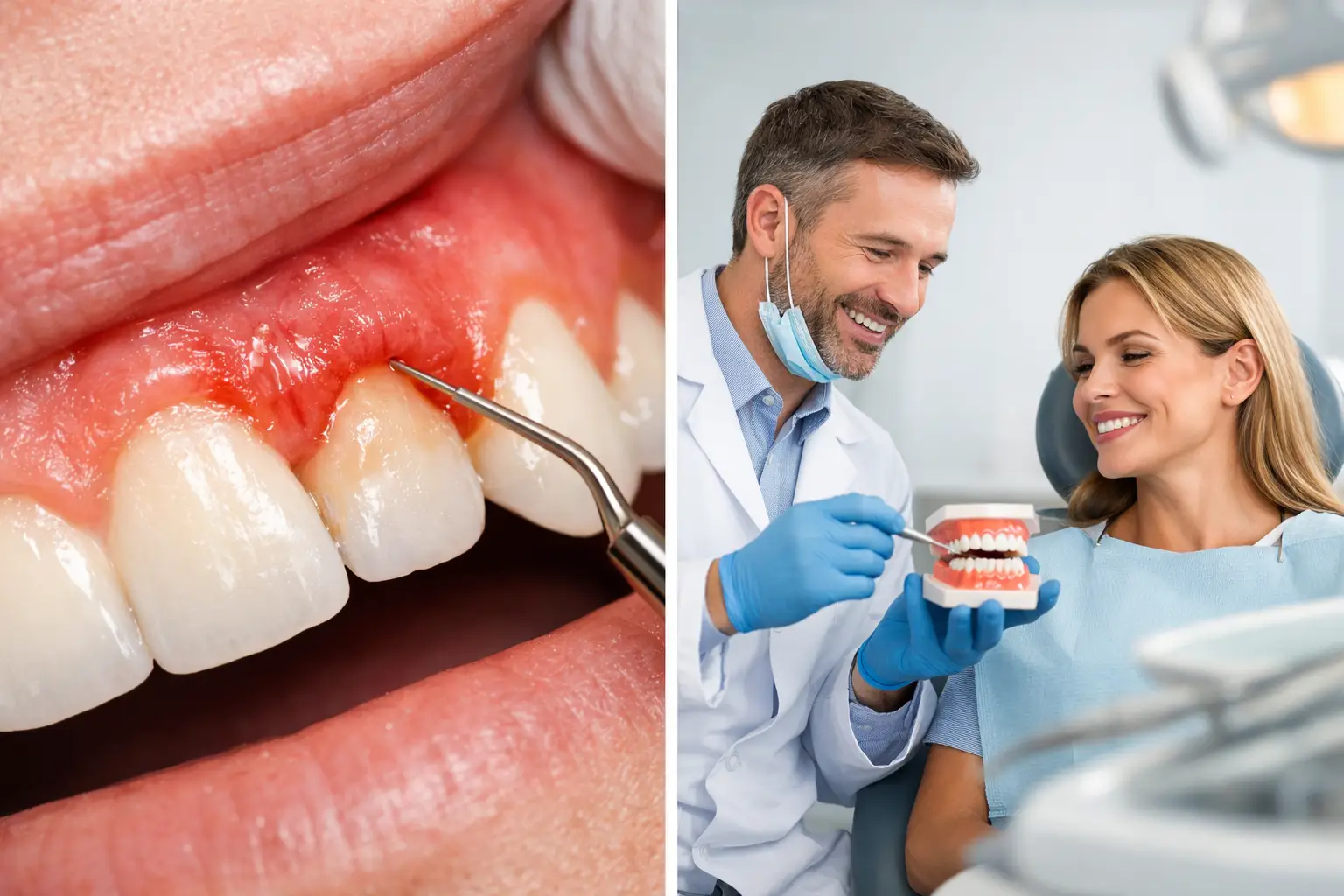
Pink in the sink after brushing is easy to dismiss, especially when life is busy. But bleeding gums are not something to simply brush harder and hope will disappear. This complete guide to gum disease explains what those early changes can mean, how gum disease progresses, and how personalized dental care can help protect your teeth, gums, and confidence.
What Gum Disease Is and Why It Deserves Attention
Gum disease, also called periodontal disease, is an infection and inflammation of the tissues that support your teeth. It begins when sticky bacterial plaque collects along and beneath the gumline. If plaque is not removed thoroughly, it can harden into tartar, which cannot be removed with brushing and flossing alone.
Your immune system responds to the bacteria, and that response can leave gums swollen, tender, and prone to bleeding. Without treatment, the infection may spread deeper below the gumline. Over time, it can damage the connective tissue and bone that hold teeth in place.
This is why gum disease is more than a cosmetic concern. Healthy-looking teeth can still have unhealthy gums, and gum disease is a leading cause of adult tooth loss. The encouraging news is that early gum disease is often reversible, and more advanced disease can usually be managed effectively with consistent professional care and home habits.
The Stages in This Complete Guide to Gum Disease
Gingivitis: The Early, Reversible Stage
Gingivitis is the earliest form of gum disease. Plaque near the gumline causes irritation, but the infection has not yet damaged the supporting bone. Gums may look red or puffy, bleed during brushing or flossing, or feel sore in certain areas.
Some people also notice persistent bad breath or a change in the way their gums look around the teeth. Gingivitis can be subtle, and it is not always painful. That is one reason regular exams and cleanings matter even when your mouth feels fine.
With a professional cleaning and more effective brushing and flossing at home, gingivitis can often improve. Waiting allows the inflammation to continue, so it is best to address symptoms early.
Periodontitis: When Support Around Teeth Is Affected
When untreated gingivitis progresses, it becomes periodontitis. The gums can begin to pull away from the teeth, forming small spaces called periodontal pockets. Bacteria and tartar collect in these pockets, where a standard toothbrush cannot reach.
As periodontitis advances, bone loss may occur. Teeth can become sensitive, appear longer because gums have receded, shift position, or feel loose. Chewing may become uncomfortable, and changes in your bite can develop. Bone that has been lost does not simply grow back on its own, so early treatment offers the best chance of preserving your natural teeth.
Signs You Should Not Ignore
Bleeding when you brush or floss is the most familiar warning sign, but it is not the only one. Schedule a dental evaluation if you notice bleeding, swollen or tender gums, bad breath that does not improve, gum recession, pus near the gumline, new spaces between teeth, loose teeth, or a bite that feels different.
Pain is possible, but many people with gum disease do not feel pain until the condition is more advanced. That makes routine periodontal measurements especially valuable. During an exam, your dental team can assess the space between your teeth and gums, check for inflammation and recession, and use X-rays when needed to evaluate bone support.
If you have significant swelling, facial swelling, fever, drainage, severe pain, or trouble swallowing or breathing, seek urgent dental or medical care. An active infection should not wait.
Who Is More Likely to Develop Gum Disease?
Plaque can affect anyone, but some factors make gum disease more likely or harder to control. Inconsistent brushing, skipping flossing, and going too long between professional cleanings raise the risk. Tobacco use is another major factor because it can interfere with healing and may hide bleeding that would otherwise signal a problem.
Diabetes, hormonal changes, certain medications that cause dry mouth, stress, and genetic susceptibility can also play a role. Pregnancy-related hormonal shifts may make gums more reactive to plaque. People with crowded teeth, poorly fitting dental work, or limited hand mobility may need a more tailored home-care approach.
Risk does not mean gum disease is inevitable. It means prevention and monitoring should be more intentional. Honest conversations about your health history, medications, and daily routine help your dentist recommend care that fits your situation.
How Gum Disease Is Treated
Treatment depends on the stage of disease, the depth of periodontal pockets, the amount of tartar present, and whether bone loss has occurred. There is no one-size-fits-all plan, and a clear examination should come before treatment recommendations.
For gingivitis or mild buildup, a professional cleaning may be enough. Your hygienist removes plaque and tartar from areas you cannot clean at home, then can help you refine your brushing and flossing technique. The goal is not to judge your habits. It is to give you practical tools that work for your mouth and routine.
For periodontitis, scaling and root planing may be recommended. Often called a deep cleaning, this treatment removes bacteria and hardened deposits from below the gumline and smooths the root surfaces so gums have a better chance to heal and reattach. Local anesthetic can be used to keep treatment comfortable, especially for patients who feel anxious about dental procedures.
After deep cleaning, your gums need time to respond. A follow-up visit allows the dental team to remeasure pockets and see how well inflammation is improving. Some patients benefit from antimicrobial treatment, while others may need referral or periodontal procedures for deeper pockets, recession, or more complex bone loss.
For advanced cases, treatment may also involve addressing loose teeth, replacing teeth that cannot be saved, or planning restorative care after the gums are stable. This can feel overwhelming, but treating the infection first creates a healthier foundation for any future crown, bridge, denture, or implant work.
What You Can Do at Home
Home care is essential, but it cannot remove tartar or repair bone loss by itself. Think of it as the daily support that helps professional treatment last.
Brush twice a day for two full minutes with a soft-bristled toothbrush and fluoride toothpaste. Angle the bristles gently toward the gumline rather than scrubbing aggressively. Too much pressure can irritate gums and contribute to recession.
Clean between your teeth every day. Traditional floss works well for many people, while floss picks, interdental brushes, or a water flosser may be more practical for others. The best option is the one you can use carefully and consistently. If flossing causes bleeding at first, do not stop automatically. Bleeding often improves as plaque is removed and gums become healthier, though persistent bleeding should be evaluated.
Replace your toothbrush or brush head about every three months, or sooner if the bristles are frayed. Drink water regularly, especially if you experience dry mouth, and avoid tobacco products. A balanced diet with fewer frequent sugary snacks also supports a healthier oral environment.
Mouthwash can be useful in specific situations, but it is not a substitute for brushing between teeth and professional care. Ask your dentist which type, if any, makes sense for you. Some rinses are intended for short-term use, while others are designed for daily support.
How Often Should You Have Periodontal Cleanings?
Many patients do well with preventive visits every six months. If you have active gum disease or a history of periodontitis, your dentist may recommend periodontal maintenance more often, commonly every three or four months. These intervals are based on your individual risk, pocket measurements, bleeding levels, and response to treatment.
More frequent maintenance is not a sign that you have failed at home care. It is a proactive way to disrupt bacteria before inflammation becomes harder to control. It can also help your dental team spot small changes before they turn into more involved treatment needs.
A Calmer Approach to Healthier Gums
Gum disease can sound intimidating, particularly if you have avoided dental visits because of anxiety, cost concerns, or a previous uncomfortable experience. You deserve straightforward answers and care that respects your comfort. At Shine & Sparkle Dentistry, patients can expect a gentle, one-on-one approach, clear explanations of findings, and treatment recommendations built around their needs.
The next time you see blood in the sink or notice that your gums do not feel quite right, treat it as useful information from your body. A timely evaluation can turn a small concern into a manageable plan and help you keep smiling, eating, and speaking with confidence.