6505 W Park Blvd #132 Plano, TX 75093

How to Prepare for Tooth Extraction Safely
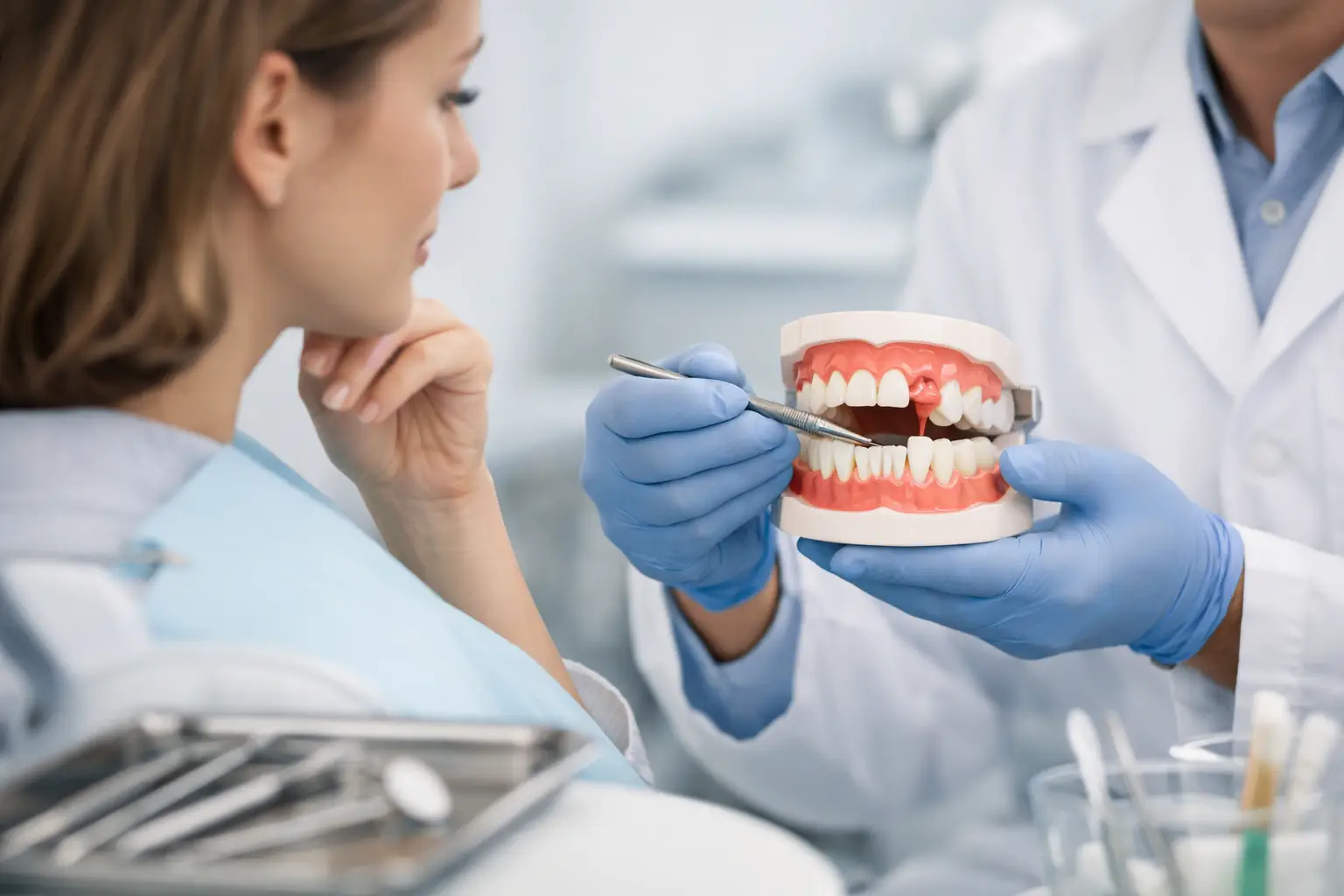
A tooth extraction may be the right step to relieve pain, stop an infection, make room for orthodontic treatment, or protect the health of nearby teeth. Still, it is completely normal to feel nervous before your appointment. Knowing how to prepare for tooth extraction can replace uncertainty with a clear plan and help you arrive feeling informed, comfortable, and ready for a smooth recovery.
Every extraction is a little different. A loose baby tooth, a damaged tooth above the gumline, and an impacted wisdom tooth can require different instructions. Your dentist’s guidance should always come first, especially if you have medical conditions or are receiving sedation.
How to Prepare for Tooth Extraction Before Your Visit
Preparation begins with an honest conversation about your health. Your dentist needs a complete picture to choose the safest approach and plan for healing. Tell the office about prescription medicines, over-the-counter pain relievers, vitamins, herbal supplements, allergies, past reactions to anesthesia, and any changes in your health since your last visit.
This is especially important if you take blood thinners, use insulin or other diabetes medications, have high blood pressure, are pregnant, have a joint replacement, or have a history of heart conditions. Do not stop a prescribed medication on your own. In some situations, your physician and dentist may coordinate care or adjust timing before the extraction.
If dental anxiety has made you postpone treatment, say so. There is no need to push through fear silently. A caring dental team can explain each step, discuss comfort options, and help you decide whether local anesthesia alone or additional sedation may be appropriate. The best plan is one that protects your health while helping you feel calm and in control.
Ask about eating and drinking instructions
Whether you should eat before the appointment depends on the type of anesthesia or sedation being used. For many routine extractions performed with local anesthesia, a light, nourishing meal beforehand can help prevent feeling shaky or lightheaded. You may be advised to avoid a heavy meal.
If oral sedation, IV sedation, or general anesthesia is planned, you will likely be asked not to eat or drink for a specific number of hours before your visit. Follow those directions exactly. Eating or drinking when you have been instructed to fast can make sedation less safe and may require rescheduling your procedure.
If you have diabetes or another condition that makes fasting more complicated, ask for individualized instructions well in advance. Your dental team can help you prepare without compromising blood sugar management or your overall wellbeing.
Arrange a ride if sedation is involved
Local anesthetic generally does not prevent you from driving, although you may prefer to have someone accompany you if you are anxious or expect to feel tired. If you receive sedation or take a medication that causes drowsiness, you will need a responsible adult to drive you home and remain available afterward.
Do not plan to drive, return to work, make major decisions, drink alcohol, or care for young children alone after sedation. Clearing your schedule gives your body and mind room to rest. For families, arranging help with school pickup, meals, or bedtime can make the first evening much easier.
Prepare Your Home for a More Comfortable Recovery
A little preparation at home can make a real difference once the numbness wears off. Shop and set up what you need before your appointment, when you are still feeling well and can focus on the details.
Choose soft foods that are easy to eat without chewing much. Good options include yogurt, applesauce, mashed potatoes, scrambled eggs, oatmeal once it has cooled, soup that is warm rather than hot, smoothies eaten with a spoon, and protein shakes without a straw. If the extraction is more involved, prepare enough food for several days so you are not tempted to eat something crunchy or difficult too soon.
Have clean gauze available if your dental office recommends it, along with any prescribed medication and an over-the-counter pain reliever approved by your dentist. A cold pack or a bag of frozen peas wrapped in a thin towel can help limit swelling during the first day. Keep a glass of water, a pillow, your phone charger, and easy meals within reach of your favorite resting spot.
Plan to wear loose, comfortable clothing to the appointment. Short sleeves are helpful if you may receive sedation and need blood pressure monitoring. Avoid heavy makeup or lipstick so your care team can clearly observe your facial color and comfortably work around your mouth.
Know What to Avoid Before and After Extraction
Smoking and vaping can significantly interfere with healing. The suction and chemicals involved can disturb the protective blood clot that forms in the socket, raising the risk of a painful complication called dry socket. Tell your dentist if you smoke or vape so you can receive realistic, personalized guidance on when to stop before and after treatment.
You should also avoid alcohol before the appointment, particularly if sedation or prescription pain medication may be used. Alcohol can interact with medications and affect healing. Recreational drugs should be disclosed honestly for the same reason – your dental team needs accurate information to keep you safe, not to judge you.
After the extraction, do not rinse vigorously, spit forcefully, or use a straw during the period your dentist recommends. These actions can dislodge the blood clot that protects the healing area. Rest with your head slightly elevated, avoid strenuous exercise for at least the first day or as directed, and follow the written aftercare instructions you receive.
Questions Worth Asking Before Your Extraction
Feeling prepared often comes down to knowing what to expect. Before treatment begins, ask your dentist whether the extraction is simple or surgical, what type of anesthesia is planned, and how long the appointment may take. It is also helpful to ask how much swelling or discomfort is typical for your situation and when you can return to normal activities.
Ask what pain-control plan is recommended and how to use any medications safely. If antibiotics are prescribed, clarify when to begin them and whether there are food or medication interactions to consider. You can also ask whether stitches will be used and if they dissolve on their own.
Most importantly, discuss the next step for the space left by the tooth. Sometimes no replacement is needed, particularly with wisdom teeth or baby teeth. In other cases, leaving a gap may allow nearby teeth to shift, change your bite, or make chewing more difficult. Depending on your needs, your dentist may discuss a dental implant, bridge, partial denture, or an orthodontic plan.
What to Expect Right After the Appointment
Your dental team will place gauze over the extraction site and explain how long to bite down with gentle, steady pressure. Some bleeding or oozing is normal at first. Numbness can last for several hours, so avoid chewing until you can fully feel your lips, cheeks, and tongue again. Accidentally biting a numb area is easier than most people expect.
Mild soreness and swelling are common, and swelling may be more noticeable on the second or third day before it improves. Take medication exactly as directed, use cold compresses as recommended, and choose rest over a demanding schedule. Call your dentist promptly if bleeding does not slow with directed pressure, pain becomes severe or worsens after a few days, you develop fever, have trouble swallowing or breathing, or notice other symptoms that concern you.
At Shine & Sparkle Dentistry, patients in Plano can expect clear guidance before and after treatment, with time to ask questions and understand their options. An extraction is not a test of toughness. It is a health decision, and thoughtful preparation lets you focus on the most important part: giving your mouth the support it needs to heal well.