6505 W Park Blvd #132 Plano, TX 75093

Your Practical Guide to Denture Relining
A denture that once felt secure can gradually begin to rock, rub, click while you speak, or slip when you eat. That change is frustrating, but it is also common. This guide to denture relining explains why dentures loosen over time, how a reline restores their fit, and when a new denture or another treatment may be the better answer.
A loose denture is not simply an inconvenience to live with. Ongoing movement can create sore spots, make eating less enjoyable, affect speech, and leave you relying too heavily on adhesive. With the right professional care, many patients can regain a more stable, comfortable fit without starting over from scratch.
Why Dentures Start to Feel Loose
Dentures are made to fit the contours of your gums and jawbone at a particular point in time. Your mouth, however, is always changing. After teeth are removed, the jawbone naturally remodels because it no longer receives the same stimulation from tooth roots. Gum tissues can change as well, and weight changes, certain health conditions, or the age of a denture may affect how it sits.
As the shape of the ridge beneath the denture changes, gaps can form between the denture base and your gums. A lower denture often feels this first because it has less surface area for support and must work around the tongue and moving cheek muscles. Even a well-made upper denture can lose suction as the underlying tissues change.
Adhesive may offer short-term help for a denture that is only mildly loose, but it should not become the permanent solution for a fit problem. If you need more adhesive than usual, develop sore areas, or avoid certain foods because your denture moves, it is time for an evaluation.
What Is Denture Relining?
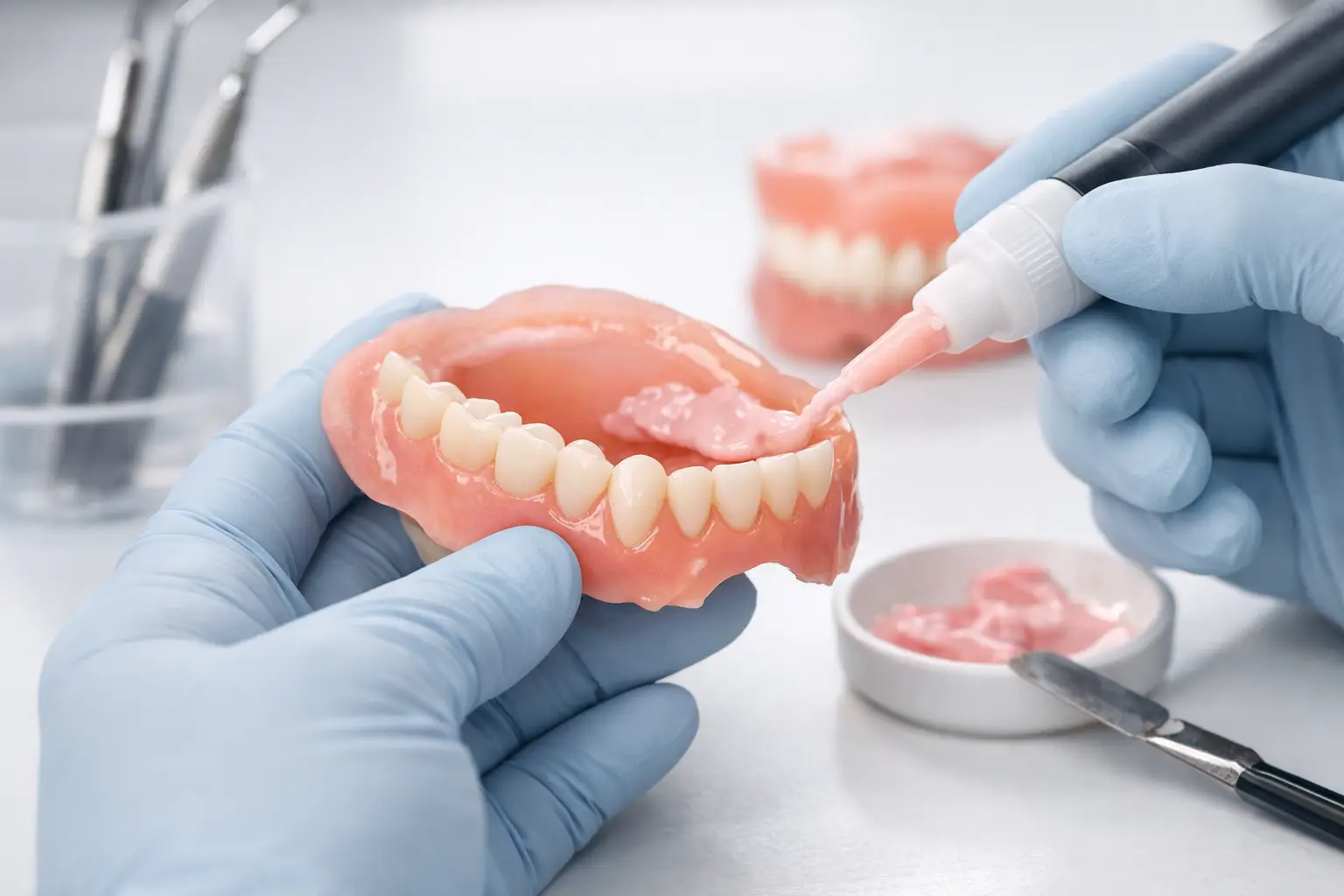
A denture reline adjusts the tissue-facing surface of an existing denture so it matches the current shape of your gums more closely. Think of the visible teeth and outer portion of the denture as the part that may still look and function well, while the underside needs to be reshaped for a better foundation.
During a professional reline, your dentist takes an impression with the denture in place or uses a material designed to capture your gum contours. A dental laboratory or, in some cases, the dental office then adds new material to the inner surface of the denture. Once it is finished, the denture should sit more evenly against the tissues, reducing movement and pressure points.
Relining is not meant to dramatically change the appearance of the denture teeth, correct a cracked base, or fix teeth that are worn down or broken. It is a fit-focused treatment. That distinction matters because a denture that is too old, damaged, or poorly designed may need replacement rather than a reline.
A Guide to Denture Relining Options
The best type of reline depends on the condition of your gums, how long it has been since teeth were removed, and whether you need temporary comfort or a durable adjustment. Your dentist can recommend the option that best supports your oral health and daily routine.
Hard relines
A hard reline uses firm acrylic material, similar to the material used in many traditional denture bases. It is commonly recommended when the gums have healed and are relatively stable. The result is durable and can provide a close, secure fit when the existing denture is otherwise in good condition.
Hard relines can often be a good choice for long-term denture wearers who have noticed gradual looseness. Because the denture may need to be sent to a laboratory, you may need to be without it for a short time. Your dental team will explain the expected timing before treatment begins.
Soft relines
A soft reline uses a flexible, cushion-like material on the underside of the denture. It can be especially helpful for patients with tender gums, thin tissues, pronounced ridges, or recurring pressure sores. Rather than pressing a rigid surface directly against sensitive areas, the softer material provides more gentle cushioning.
The trade-off is that soft materials generally need more maintenance and may need replacement sooner than a hard acrylic reline. They can also be harder to keep completely clean, so consistent daily denture care and regular checkups are especially valuable.
Temporary relines and tissue conditioning
Sometimes gums need time to recover before a final fit can be created. If a denture has been rubbing for months, the tissues may be swollen or inflamed, making an immediate hard reline less accurate. A temporary reline or tissue-conditioning material can give sore tissues a chance to settle while improving comfort in the meantime.
This approach is also common after recent tooth extractions. As healing continues, the gums and bone can change quickly. A temporary adjustment may be appropriate before a more lasting reline or replacement denture is made.
What to Expect at Your Appointment
Your visit begins with more than a quick look at the denture. A dentist should examine your gums, tongue, cheeks, bite, and the denture itself. This helps identify whether looseness is truly the main issue or whether there are other concerns, such as fungal irritation, a broken denture base, bite imbalance, or a sore area that needs targeted adjustment.
If relining is appropriate, impressions are taken to record the shape of your mouth. The process is typically comfortable, though patients with a strong gag reflex or dental anxiety should let the team know before the appointment. Small adjustments, clear explanations, and a gentle approach can make the experience much easier.
After the reline is completed, your dentist checks how the denture fits, how your teeth come together, and whether any areas are putting too much pressure on the gums. A brief adjustment period is normal. Your muscles may need a few days to adapt to the more secure fit, and a follow-up adjustment can address any small sore spots that appear.
When a Reline May Not Be the Right Answer
Relining works best when the denture teeth, bite, and base are still in good shape. If the denture is cracked, repeatedly repaired, severely worn, or no longer supports your facial appearance properly, replacement may provide a healthier and more predictable result. Dentures are often replaced every five to 10 years, although individual needs vary.
A reline may also be the wrong choice if the denture has always been uncomfortable or unstable. In that situation, reshaping the underside alone may not solve issues with the bite, tooth position, or overall design. A new custom denture can be designed around your current facial structure, smile goals, and oral health needs.
For patients who want more security, implant-supported dentures are another option to discuss. Dental implants can help stabilize a removable denture, reduce movement, and improve confidence with eating and speaking. Not every patient needs implants, but they can be life-changing for people who struggle with a lower denture that will not stay in place.
Avoid DIY Relining Kits
Over-the-counter reline kits can seem appealing when a denture becomes uncomfortable, especially if you need a quick fix. The concern is that these products can change the fit without accounting for sore tissues, bite alignment, or underlying oral health problems. Material that is too thick or uneven may worsen pressure points, alter how your jaws close, or make professional correction more difficult later.
Never try to reshape your denture with household tools, glue, or heat. A denture is precisely made acrylic, and even a small change can affect fit. If your denture breaks, feels suddenly loose, or causes pain, a professional evaluation is the safest next step.
Caring for a Relined Denture
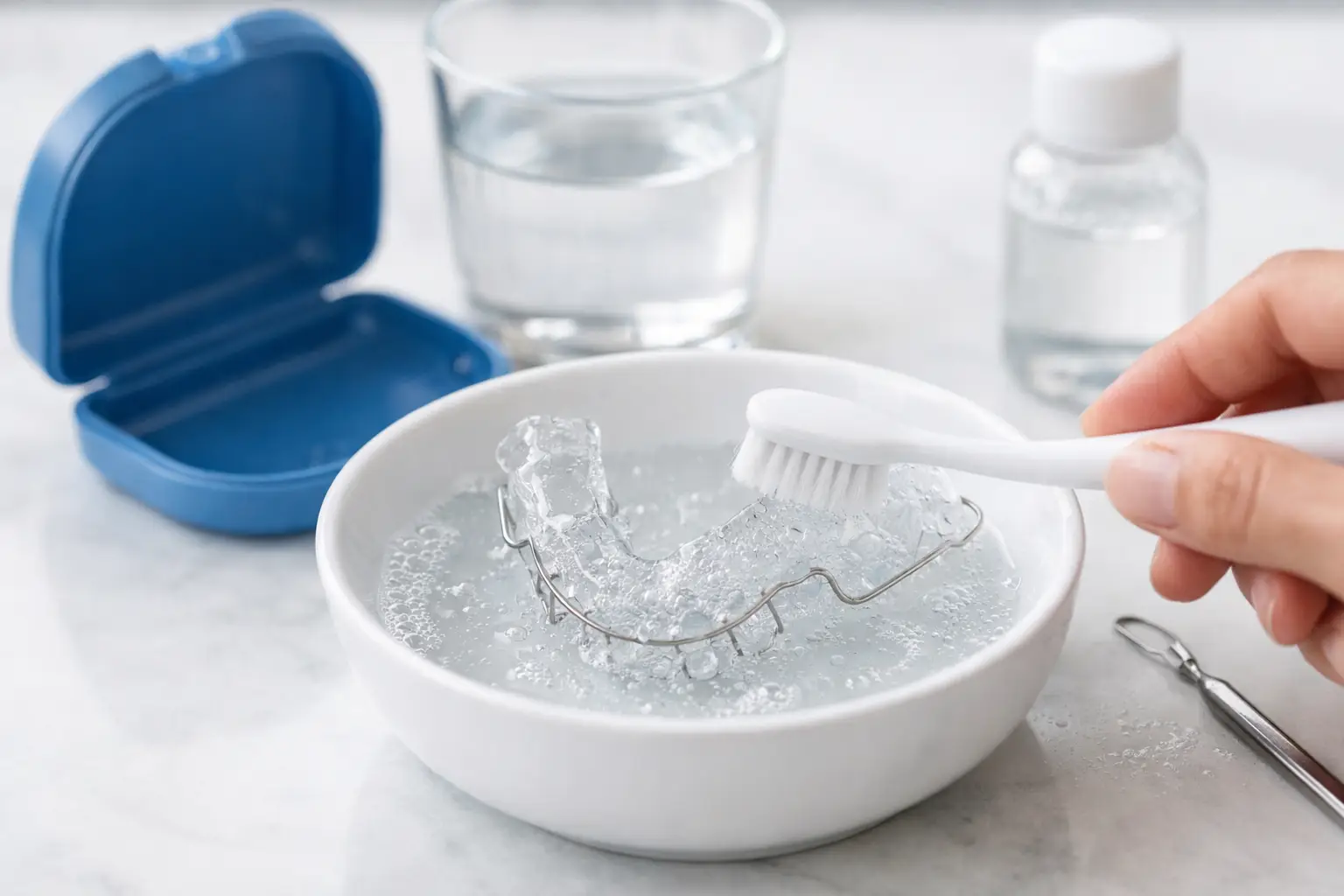
A relined denture still needs daily attention. Remove it and gently brush it with a denture brush and a nonabrasive cleanser. Regular toothpaste can be too abrasive for some denture materials. Rinse your mouth and gently clean your gums, tongue, and any remaining natural teeth before putting the denture back in.
Unless your dentist gives different instructions, remove your denture at night to give your gums time to rest. Store it in water or a denture-soaking solution so it does not dry out or warp. Keep regular dental visits, even if you no longer have natural teeth, because your gums, bone, bite, and oral tissues still deserve ongoing care.
A comfortable denture should help you smile, speak, and enjoy meals with greater confidence, not make you plan your day around discomfort. If yours has begun to slip or rub, a personalized evaluation at Shine & Sparkle Dentistry can clarify whether a reline, repair, replacement, or added implant support will help you feel comfortable again.