6505 W Park Blvd #132 Plano, TX 75093

7 Dental Implant Aftercare Steps for Healing
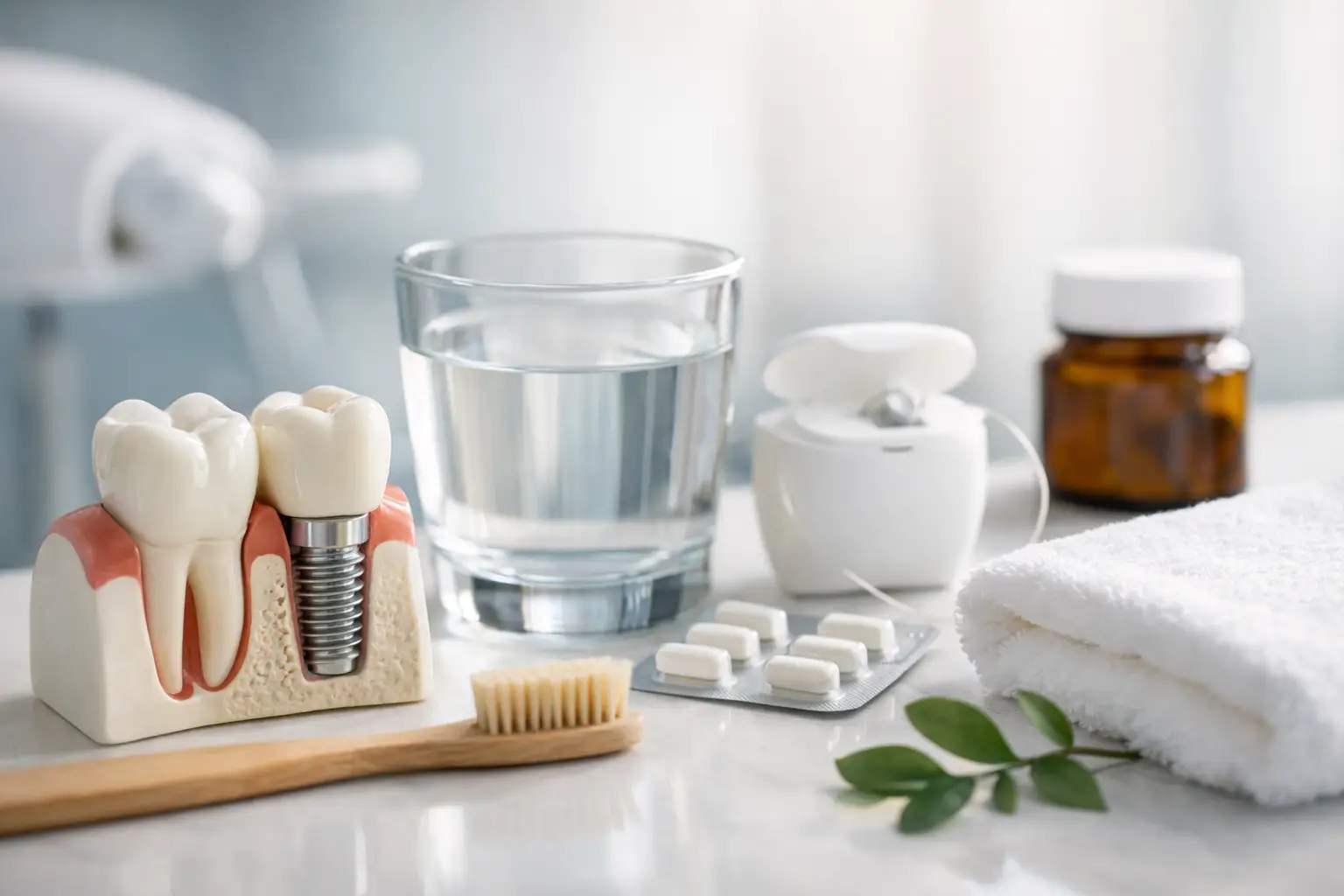
A dental implant is designed to give you a strong, natural-looking replacement tooth, but the days after treatment set the stage for healthy healing. Following the right dental implant aftercare steps can reduce discomfort, protect the surgical area, and help you feel more confident about what is normal. Your personal instructions from your dentist should always come first, especially if you had bone grafting, several implants, sedation, or other treatment during the same visit.
1. Protect the Surgical Area on Day One
After your procedure, you may leave with gauze over the implant site. Bite down with gentle, steady pressure for the time your dentist recommends, usually changing the gauze only when needed. A small amount of oozing is common during the first day. Bright red bleeding that continues despite firm pressure is not something to wait out – call your dental office for guidance.
For the first 24 hours, avoid spitting forcefully, rinsing vigorously, or using a straw. Those actions can disturb the blood clot and irritate the healing tissue. If you need to clear your mouth, let saliva fall out gently rather than forcefully spitting.
Rest matters, too. Plan for a quiet day at home, keep your head elevated on pillows when resting, and skip strenuous exercise, heavy lifting, and bending for at least a day or as directed. Increased blood flow from activity can trigger more bleeding and swelling.
2. Manage Swelling and Discomfort Early
Some soreness, swelling, and minor bruising are expected after implant placement. Swelling often reaches its peak about two to three days after surgery before it begins to improve. Applying a cold pack to the outside of your cheek in short intervals during the first day can help limit swelling. Keep a cloth between the pack and your skin.
Take any prescribed medication exactly as directed. If your dentist has recommended an over-the-counter pain reliever, follow the dosing instructions carefully and confirm it is appropriate for your health history and current medications. Do not place aspirin directly on your gums or surgical site. It can burn the tissue and make healing more difficult.
Pain should gradually become more manageable, not suddenly get worse. Increasing pain after a period of improvement, especially with fever, swelling, or a bad taste, deserves a call to your dentist.
3. Choose Foods That Support Healing
Your mouth needs time before it can handle crunching and chewing near the implant. For the first day or two, choose cool or room-temperature soft foods such as yogurt, applesauce, scrambled eggs, smoothies eaten with a spoon, mashed potatoes, soups that are not hot, and soft pasta. Drink plenty of water to stay hydrated.
As comfort improves, add foods that require minimal chewing. Try to chew on the opposite side of your mouth when possible. Your dentist will let you know when it is safe to return to firmer foods, which may depend on whether you received a temporary tooth, a bone graft, or multiple implants.
For now, avoid hard, sticky, sharp, and crumbly foods. Nuts, chips, popcorn, crusty bread, candy, and seeds can press into the surgical area or get trapped around it. Alcohol can interfere with healing and may interact with prescribed medications, so avoid it while your dentist advises. Tobacco and nicotine use are especially harmful because they reduce blood flow and significantly raise the risk of implant complications.
4. Keep Your Mouth Clean Without Being Rough
A clean mouth supports healthy healing, but aggressive brushing is not the answer. On the day of surgery, follow your dentist’s instructions about when to begin rinsing. Many patients are advised to use a gentle warm saltwater rinse beginning the following day. Let the rinse move around your mouth softly, then allow it to fall out without force.
Brush and floss the teeth away from the surgical area as usual unless you have been given different directions. When cleaning near the implant site, use a soft-bristled toothbrush and a light touch. Do not scrub stitches or poke the area with your tongue, fingernail, toothpick, or toothbrush.
If you were prescribed an antibacterial mouth rinse, use it exactly as instructed. More is not better. Some rinses can cause staining or irritation when used longer or more frequently than recommended.
5. Respect Your Temporary Tooth, If You Have One
Not every implant receives a temporary crown immediately. If you do have one, remember that it is typically designed for appearance and light function while the implant heals, not for heavy biting. Avoid biting into sandwiches, apples, or other firm foods with the temporary tooth.
It may feel slightly different from your natural teeth, particularly as numbness wears off and the gums settle. However, a temporary crown that feels loose, sharp, too high when you bite, or painful should be checked. Do not try to glue it back in place yourself or adjust it at home.
6. Know What Is Normal and What Needs Attention
The best dental implant aftercare steps include paying attention to changes in your body without assuming every sensation means something is wrong. Mild bleeding, swelling, tenderness, jaw stiffness, and bruising can all occur during early recovery. A little sensitivity in nearby teeth may also be temporary.
Contact your dentist promptly if you have persistent or heavy bleeding, swelling that worsens after the third day, fever, pus, trouble swallowing or breathing, numbness that does not improve as expected, or severe pain that medication does not control. You should also call if the implant area feels mobile or if a restoration becomes loose.
Do not wait until your next routine visit if something feels off. Early guidance can often prevent a small concern from becoming a larger setback. For urgent trouble breathing or swallowing, seek emergency medical care immediately.
7. Keep Every Follow-Up Appointment
Implant treatment does not end on the day of placement. Your follow-up appointments allow your dentist to monitor gum healing, remove sutures if needed, check your bite, and confirm that the implant is integrating properly with the jawbone. This process, called osseointegration, takes time. Even if you feel fine, the implant still needs protection while the bone heals around it.
Once your final crown is placed, daily care becomes straightforward: brush twice a day, clean between your teeth as recommended, and maintain regular professional cleanings and exams. Implants cannot get cavities, but the gums and bone around them can develop infection. Consistent home care and preventive visits are what help an implant stay healthy for years.
A Quick Recovery Checklist
During the first week, focus on the essentials:
- Rest and avoid strenuous activity for the time your dentist recommends.
- Eat soft foods and keep hard or sticky foods away from the surgical area.
- Use medications, cold packs, and gentle rinses only as directed.
- Avoid smoking, vaping, nicotine, alcohol, straws, and forceful rinsing.
- Attend follow-up visits and call promptly about worsening symptoms.
Healing is not a race. Give your body the time and care it needs, ask questions whenever you are unsure, and let your dental team support you at every stage. At Shine & Sparkle Dentistry, we want every Plano patient to feel informed, comfortable, and well cared for as their new smile takes shape.