6505 W Park Blvd #132 Plano, TX 75093

Complete Guide to Dental Crowns
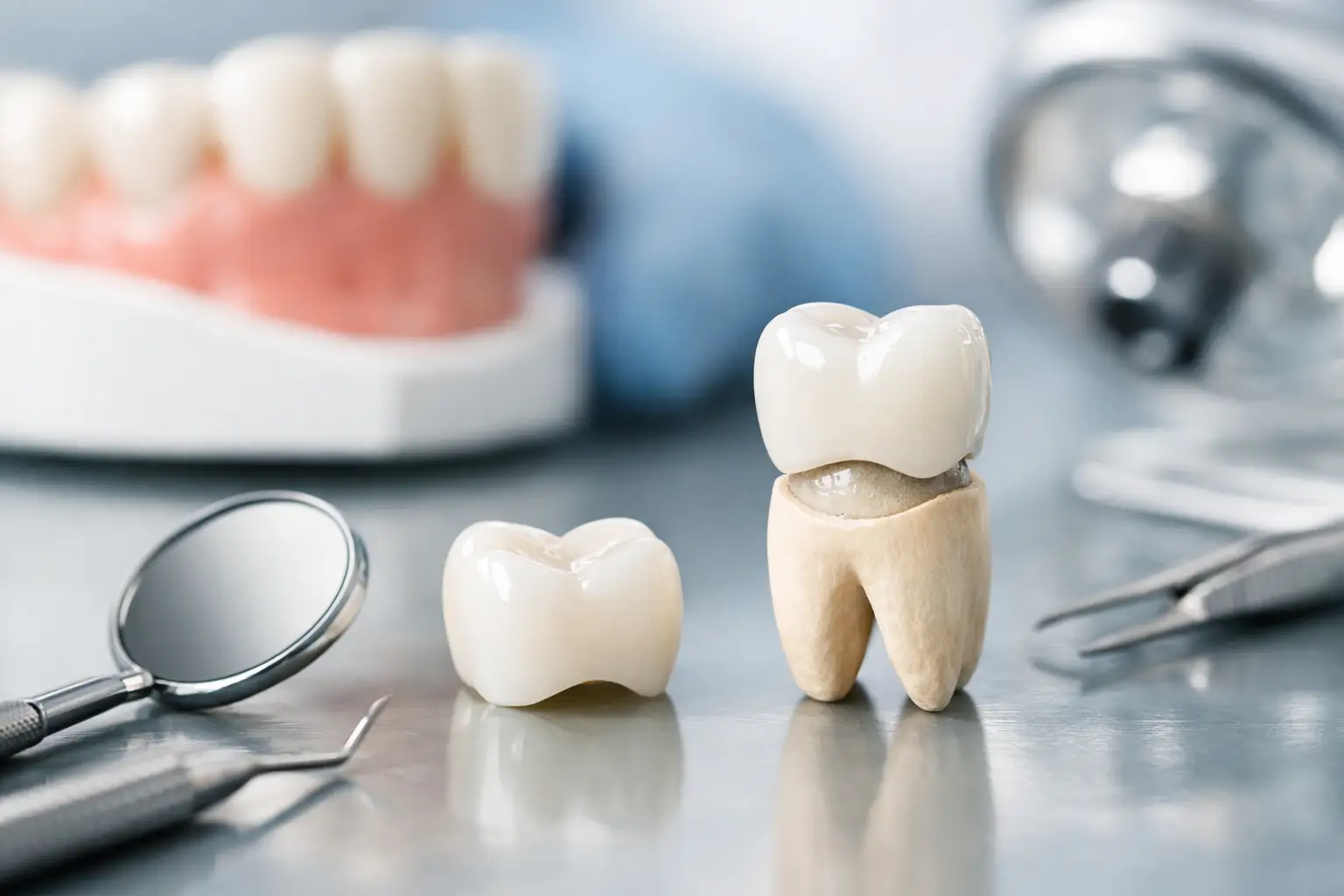
You usually do not think about a dental crown until a tooth cracks, a large filling fails, or chewing on one side suddenly feels risky. This complete guide to dental crowns is here to make the decision feel less overwhelming. If your dentist has recommended a crown, or you are wondering whether one could save a damaged tooth, understanding the process can help you feel informed, comfortable, and more confident about what comes next.
What a dental crown actually does
A dental crown is a custom-made cover that fits over a tooth to protect it, strengthen it, and restore its shape. Think of it as a protective outer shell for a tooth that has been weakened by decay, injury, wear, or a large old filling.
Crowns are often recommended when a tooth is too damaged for a simple filling but still healthy enough to keep its root. In many cases, that is good news. Saving a natural tooth is usually the most conservative and comfortable option when possible.
A crown can also improve appearance. If a tooth is badly misshapen, discolored, worn down, or uneven, a well-made crown can restore a more natural look while improving function at the same time.
Complete guide to dental crowns: when you might need one
Not every damaged tooth needs a crown, and not every crown is urgent. It depends on how much healthy tooth structure remains, where the tooth is located, and how much pressure it handles when you bite.
Dentists commonly recommend crowns for teeth with large cavities, cracked teeth, broken cusps, or worn enamel. They are also used after root canal treatment because those teeth can become more brittle over time. In other cases, a crown may be placed on top of a dental implant or used to support a bridge.
Cosmetic concerns can play a role too. If a front tooth has significant damage that bonding or veneers cannot predictably correct, a crown may provide a stronger long-term result. The trade-off is that a crown requires more reshaping of the tooth than a veneer, so the right choice depends on the condition of the tooth and your goals.
The main types of dental crowns
There is no single best crown for every patient. The right material depends on the tooth, your bite, your budget, and how important aesthetics are in that area of the mouth.
Porcelain and ceramic crowns
These are popular for front teeth because they can closely match the color and translucency of natural enamel. They offer excellent aesthetics and can look very lifelike when carefully designed. For many patients, this is the preferred option when the crown will be visible in the smile.
That said, durability depends on the specific material and your bite habits. If you clench or grind your teeth, your dentist may recommend a stronger material or a night guard to protect the crown.
Porcelain-fused-to-metal crowns
These crowns combine a metal base with a tooth-colored outer layer. They have been used for many years and can offer a solid balance of strength and appearance. In some cases, though, the metal underneath may create a darker line near the gum over time, especially if the gums recede.
Zirconia crowns
Zirconia is known for strength and durability. It is often used on back teeth that handle heavy chewing forces, though newer zirconia materials can also look quite natural. For patients who want a strong restoration without metal, zirconia is often worth discussing.
Gold and metal crowns
Metal crowns are less common for visible teeth, but they are still respected for their longevity. They tend to wear well and require less removal of tooth structure than some other options. Many patients choose tooth-colored materials instead, but for certain molars, metal can still be a smart clinical choice.
What the dental crown process looks like
One of the biggest reasons people delay treatment is fear of the unknown. The process is usually more straightforward than patients expect.
At the first visit, your dentist examines the tooth and takes images to check the roots, surrounding bone, and extent of the damage. If the tooth can support a crown, it is reshaped so the final restoration can fit properly. If there is decay, it is removed first. If the tooth is severely broken down, a buildup may be needed to create a stable foundation.
After the tooth is prepared, impressions or digital scans are taken. These are used to create your custom crown. In many cases, you will wear a temporary crown while the final one is being made.
At the next visit, the permanent crown is checked for fit, color, and bite alignment before being cemented into place. The goal is for the crown to feel natural and comfortable, not bulky or awkward.
If you need a crown after a root canal or because of a painful fracture, timing matters. Waiting too long can allow the tooth to break further, which may limit your options.
Does getting a crown hurt?
This is one of the most common concerns, especially for patients who already feel nervous about dental treatment. The tooth is numbed before preparation, so the procedure itself should not be painful. You may feel pressure or vibration, but not sharp pain.
Some mild sensitivity afterward is normal, especially around the gums or when biting for the first few days. That usually settles quickly. If pain lingers or your bite feels off, your dentist can make a simple adjustment.
For anxious patients, a comfort-first office makes a real difference. Clear explanations, a gentle touch, and modern technology can turn a stressful appointment into a much more manageable experience.
How long dental crowns last
A well-made crown can last many years. Ten to fifteen years is a common estimate, but some last much longer with good care. Lifespan depends on the material, your home hygiene, your bite, and whether you grind your teeth.
Crowns do not get cavities themselves, but the tooth underneath can still develop decay at the margin where the crown meets the gumline. That is why brushing, flossing, and routine dental visits still matter.
Hard habits can shorten the life of a crown. Chewing ice, biting pens, opening packages with your teeth, or untreated nighttime grinding can all increase the risk of chipping or loosening.
How much do dental crowns cost?
Cost is an understandable part of the decision. The price of a dental crown varies based on the material used, the complexity of the case, whether additional treatment is needed, and your insurance coverage.
For example, a crown on a straightforward tooth is different from a tooth that first needs a root canal, buildup, or treatment for deep decay. That is why an exam is the most accurate way to understand total cost.
If affordability is a concern, honest treatment planning matters. Sometimes a crown is clearly the best long-term value because it helps save a tooth that might otherwise break and require extraction. In other cases, there may be another reasonable option. A trustworthy dentist will explain the difference.
Caring for a new crown
Once your crown is placed, daily care should feel familiar. Brush twice a day, floss carefully around the tooth, and keep up with regular cleanings and exams. If you have a history of clenching or grinding, ask about a night guard. That small step can protect both your crown and your natural teeth.
It is also wise to pay attention to changes. If a crown feels loose, rough, or suddenly sensitive, do not ignore it. Early attention can often prevent a bigger issue.
When to call the dentist sooner
Some crown problems can wait a day or two for a scheduled visit, but others deserve faster care. Call your dentist if a temporary crown comes off, the permanent crown feels loose, you have pain when biting, or the tooth underneath becomes sharply sensitive. A cracked or broken crown should also be checked promptly.
For families and busy professionals, having comprehensive care in one place can make these moments much easier. At Shine & Sparkle Dentistry, that means patients can get clear answers, thoughtful treatment recommendations, and support that feels personal rather than rushed.
A crown should protect more than your tooth
The right dental crown does more than cover damage. It lets you chew without worry, smile without self-consciousness, and move forward before a small problem becomes a bigger one. If you have been putting off treatment because you feel unsure, asking questions is a strong first step. Good dentistry should leave you feeling cared for, not pressured, and confident that your treatment fits both your health needs and your life.