6505 W Park Blvd #132 Plano, TX 75093

Managing Chronic Dry Mouth and Protecting Teeth
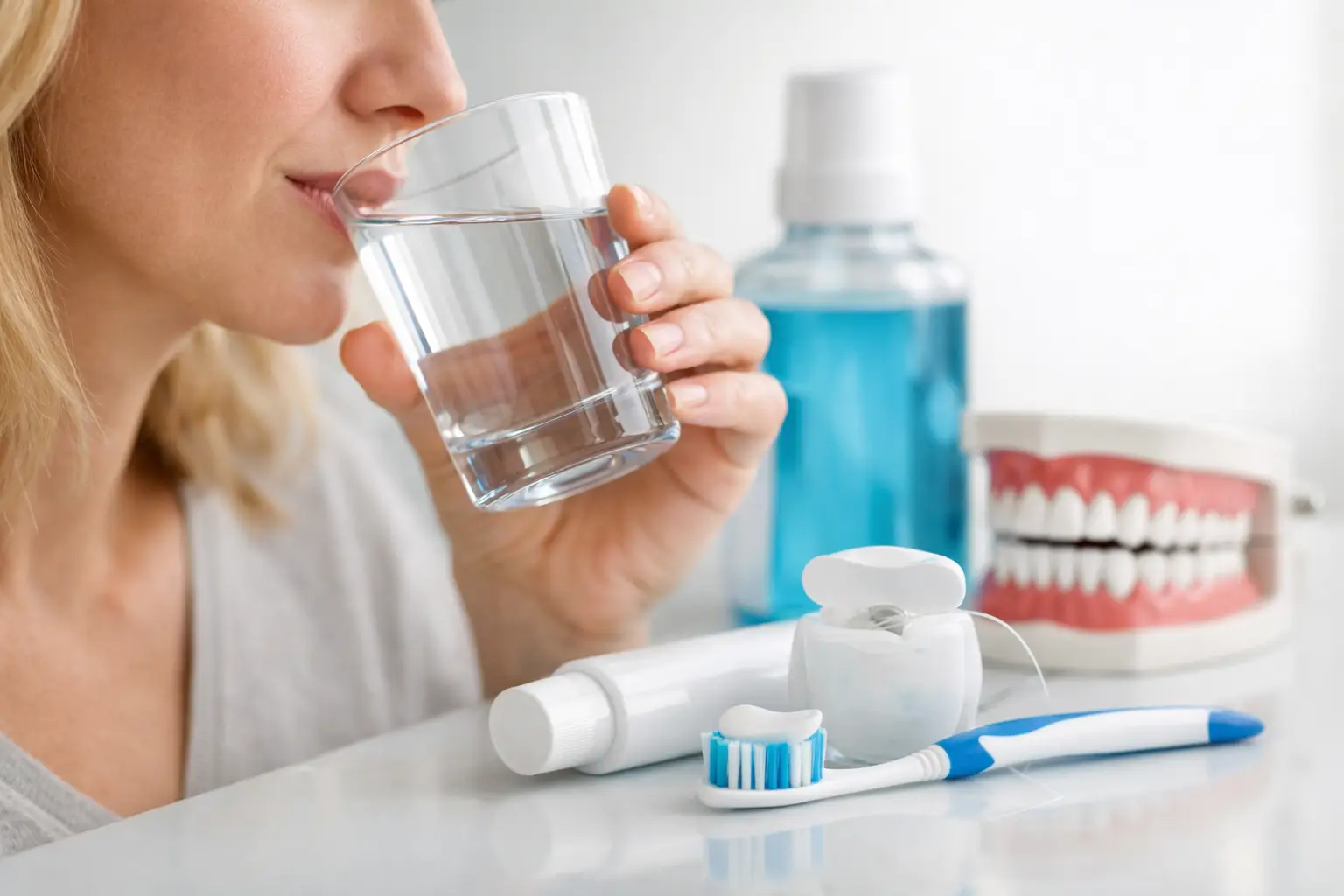
Waking up with a sticky mouth, needing water to finish a sentence, or avoiding certain foods because they feel hard to swallow can wear you down. Managing chronic dry mouth is about more than easing discomfort. Saliva is one of your mouth’s natural defenses, and when there is not enough of it, your teeth, gums, and overall oral comfort can suffer.
Occasional dryness after a salty meal, a long flight, or a night of sleeping with your mouth open is common. Dry mouth that persists most days, however, deserves attention. A caring dental team can help you protect your smile while you and your medical providers look for the cause.
Why Saliva Matters More Than You May Think
Saliva does much more than keep your mouth feeling comfortable. It washes away food particles, helps balance acids produced by oral bacteria, supports digestion, and makes speaking and swallowing easier. It also helps protect tooth enamel by delivering minerals that strengthen the tooth surface.
When saliva flow is reduced, plaque can build up more easily. This can raise the risk of cavities, gum inflammation, bad breath, mouth sores, and oral infections. Many patients are surprised to learn that dry mouth can lead to decay around the gumline or in places that have never caused problems before.
The good news is that dry mouth-related dental problems are often preventable when they are identified early. The right plan depends on why the dryness is happening, how severe it is, and whether new cavities or gum concerns are already present.
Common Reasons for Chronic Dry Mouth
Dry mouth, also called xerostomia, is a symptom rather than a diagnosis. Some people notice it after starting a medication, while others have a health condition or daily habit contributing to the problem.
Prescription and over-the-counter medications are among the most frequent causes. Medicines for allergies, depression, anxiety, pain, blood pressure, bladder control, and cold symptoms can all reduce saliva production. Do not stop or change a prescribed medication on your own. Instead, speak with the medical professional who manages it. They may be able to adjust the dosage, timing, or medication type.
Other possible contributors include dehydration, frequent caffeine or alcohol use, tobacco use, diabetes, sleep apnea, mouth breathing, radiation treatment involving the head or neck, and autoimmune conditions such as Sjogren’s disease. Hormonal changes and stress may also make dryness more noticeable for some patients.
A dentist cannot diagnose every underlying medical cause, but a thorough dental exam can reveal the oral effects of dry mouth and point to when coordination with your physician is appropriate.
Managing Chronic Dry Mouth at Home
Small daily changes can make a meaningful difference, especially when they are consistent. Start by sipping plain water throughout the day instead of waiting until you feel very thirsty. Keep water nearby during work, errands, and bedside hours. If you wake with a dry mouth, a humidifier may help if dry indoor air or mouth breathing is part of the problem.
Sugar-free gum or lozenges containing xylitol can stimulate saliva for many people. Choose products that are sugar-free, since frequent exposure to sugar can increase cavity risk when saliva is already low. Chewing gum is not right for everyone, particularly if it aggravates jaw discomfort or a TMJ condition, so pay attention to how your jaw feels.
Try to limit habits that dry the mouth further. Caffeine, alcohol, tobacco, and cannabis can all contribute to dryness. Acidic drinks, including soda, sports drinks, and citrus beverages, are especially tough on enamel when saliva is not available to neutralize acids. If you do have one, enjoy it with a meal rather than sipping it for hours.
Many people find relief with alcohol-free mouth rinses, oral moisturizing gels, or saliva-substitute sprays. These products can be useful before bed or before a presentation, social event, or long car ride. They do not treat the underlying cause, but they can improve comfort. Avoid rinses containing alcohol, which may leave your mouth feeling even drier.
Protecting Your Teeth When Saliva Is Low
A consistent home-care routine becomes even more valuable when you have chronic dry mouth. Brush twice daily with a fluoride toothpaste and clean between your teeth once a day. A soft-bristled toothbrush and gentle technique are usually best, especially if your mouth feels tender.
Your dentist may recommend additional fluoride protection, such as a prescription-strength toothpaste, gel, varnish, or custom fluoride trays. This is not necessary for every patient, but it can be a smart preventive step for someone with repeated cavities, exposed root surfaces, or significant dry mouth.
Diet matters, too. Frequent snacking gives bacteria repeated opportunities to make acid. Choose tooth-friendly snacks when possible, such as cheese, plain yogurt, nuts if safe for you, or crunchy vegetables. If swallowing dry foods is difficult, pair them with water or moisture-rich foods instead of reaching for sugary drinks.
Regular dental visits allow your dentist to monitor early changes that may not hurt yet. Small cavities and enamel weakening are easier, more comfortable, and often less costly to treat before they become larger problems.
When Dry Mouth May Need More Than Home Care
It is time to schedule a dental evaluation if your mouth feels dry most days for several weeks, you are developing new cavities, your gums bleed, or you have ongoing bad breath despite brushing. Burning sensations, cracked lips, changes in taste, difficulty wearing dentures, and trouble swallowing are also worth discussing.
Let your dentist know when the symptom began, whether it is worse at night, and what medications and supplements you take. Details about snoring, CPAP use, allergies, recent illness, or changes in your general health can also be helpful. Honest information allows your care team to make recommendations that fit your real routine.
Seek prompt medical care for dry mouth accompanied by difficulty breathing or swallowing, facial swelling, a persistent mouth sore, unexplained weight loss, or severe pain. These symptoms may need evaluation beyond routine dental care.
What a Personalized Dental Visit Can Include
At Shine & Sparkle Dentistry, dry mouth care starts with listening. Your dentist can examine your teeth, gums, tongue, and oral tissues for signs of dryness, irritation, decay, or infection. Digital imaging or other diagnostic tools may be recommended when needed to check for cavities that are difficult to see during a visual exam.
From there, your treatment plan may focus on preventive fluoride, treating active decay, improving gum health, discussing dry mouth products, and setting a recall schedule that helps you stay ahead of problems. If your symptoms suggest a medical factor, you can also receive guidance on what to discuss with your physician.
There is no one-size-fits-all answer. A patient whose dry mouth is related to a temporary medication may need a different approach than someone managing sleep apnea, diabetes, or a long-term autoimmune condition. Clear explanations and one-on-one attention help make each next step feel manageable.
A Few Questions Patients Often Ask
Can drinking more water cure dry mouth?
Water is essential for comfort and hydration, but it may not fully resolve dry mouth caused by medications, reduced salivary gland function, or certain health conditions. It remains a helpful first step, especially when combined with a dental prevention plan.
Is dry mouth only a problem at night?
No. Nighttime dryness is common because saliva flow naturally decreases during sleep, but daytime dry mouth can also affect speech, eating, and cavity risk. If you snore or wake with a very dry mouth, mouth breathing or sleep-related concerns may be contributing.
Can dry mouth cause bad breath?
Yes. Less saliva means fewer natural rinsing and cleansing effects, which can allow bacteria and odor-causing compounds to build up. Treating the dryness and maintaining regular oral hygiene can help.
Chronic dry mouth can be frustrating, but you do not have to simply live with the discomfort or wait for a cavity to appear. With attentive daily habits and personalized dental care, you can protect your teeth, feel more comfortable, and move through your day with greater confidence.