6505 W Park Blvd #132 Plano, TX 75093

Dental Sedation Comparison for Calm Visits
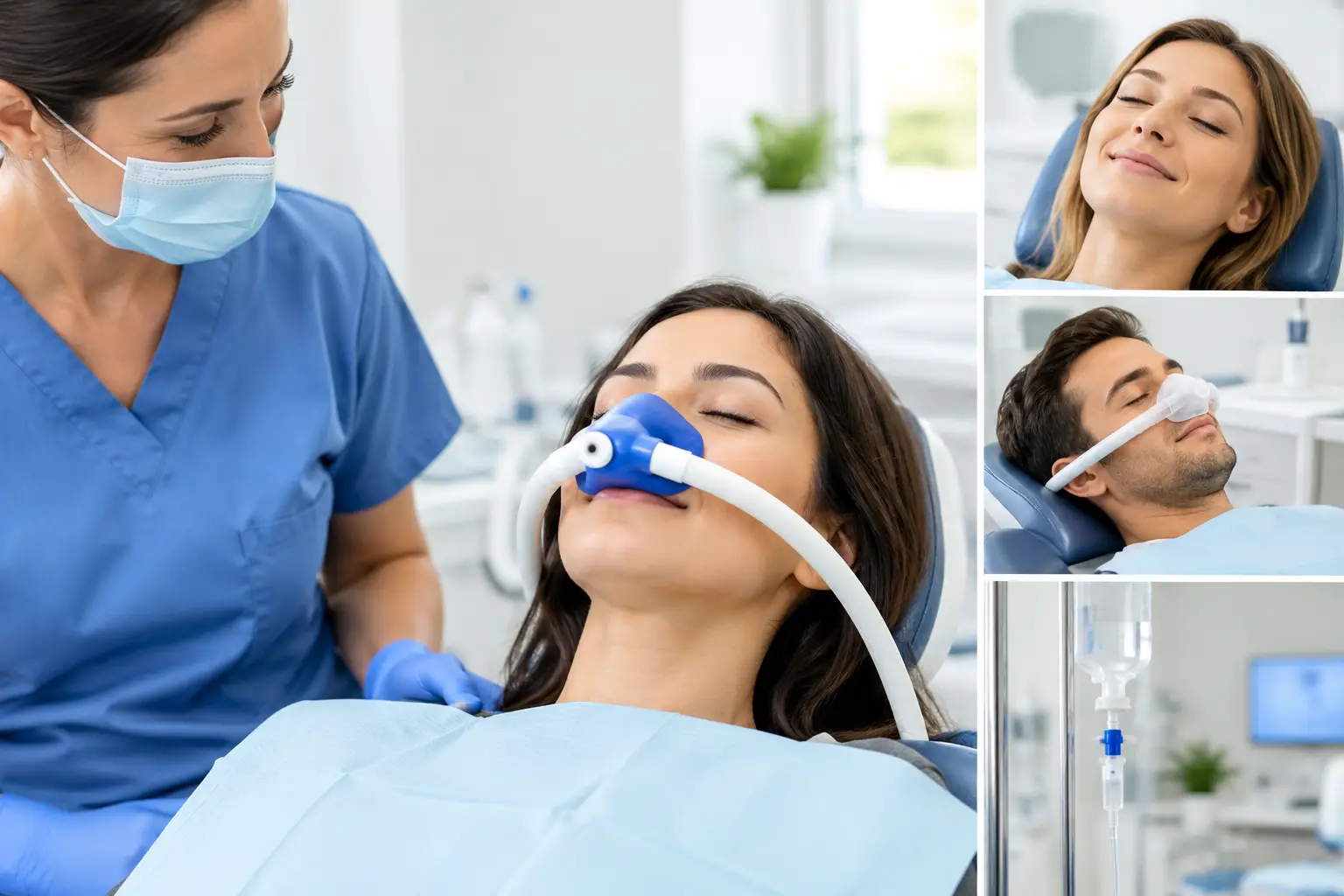
A dental appointment can feel very different when you are worried about pain, needles, sounds, or simply being unable to relax in the chair. A thoughtful dental sedation comparison can help you understand what each option does, what it does not do, and which approach may help you feel more comfortable and in control.
Sedation is not a one-size-fits-all solution. The right choice depends on your health history, anxiety level, the treatment you need, and how long your appointment is expected to last. Your dentist should take time to listen to your concerns, explain the options clearly, and recommend care based on your individual needs.
Dental Sedation Comparison: The Main Options
Most dental sedation options fall into three familiar categories: nitrous oxide, oral conscious sedation, and IV sedation. They differ in how they are given, how deeply they relax you, how quickly they wear off, and what preparation is required.
Sedation is different from local anesthetic. Local anesthetic numbs the treatment area so you do not feel pain. Sedation helps reduce fear, tension, and awareness of the experience. Many patients receive both, because feeling relaxed and being properly numb are two separate parts of comfortable care.
Nitrous Oxide: Gentle, Fast-Acting Relaxation
Nitrous oxide, often called laughing gas, is breathed through a small mask placed over the nose. Within a few minutes, many patients feel calmer, lighter, or pleasantly detached from the activity around them. You remain awake, can respond to your dentist, and can usually communicate if you need something.
This can be a good fit for patients with mild to moderate anxiety, a sensitive gag reflex, or nervousness about routine treatment such as fillings, cleanings, or crown preparation. One of its biggest advantages is recovery time. Once the mask is removed and you breathe oxygen for a short period, the effects usually fade quickly. Many patients can return to normal activities afterward, although your dental team will give you guidance based on your situation.
Nitrous oxide may not be enough for someone with severe dental fear, extensive treatment needs, or difficulty staying still for a longer procedure. It can also be less suitable for patients with certain medical conditions or nasal congestion that makes breathing through the nose difficult.
Oral Conscious Sedation: A Deeper Level of Calm
Oral conscious sedation involves taking a prescribed medication before the appointment, following your dentist’s precise instructions. It generally creates a stronger feeling of relaxation than nitrous oxide. Patients are usually awake and able to respond, but they may feel drowsy and remember little about the procedure afterward.
For someone who has postponed needed treatment because anxiety feels overwhelming, oral sedation can make a longer visit feel more manageable. It may also be considered when several procedures can be completed in one appointment, reducing the number of visits you need.
The trade-off is that oral sedation requires more planning. You will need a trusted adult to drive you to and from the appointment and stay with you as directed. You should not drive, return to work, make major decisions, or operate machinery until the medication has fully worn off. Your dentist may also provide instructions about eating, drinking, and taking your regular medications before treatment.
Because people respond differently to sedative medication, a thorough review of your medical history is essential. Be open about prescription drugs, supplements, alcohol use, sleep apnea, pregnancy, allergies, and any past reactions to anesthesia or sedation.
IV Sedation: Closely Monitored, Advanced Support
IV sedation is administered through a vein and allows the sedation level to be adjusted more precisely during treatment. It is often used for patients with significant anxiety, complex procedures, strong gag reflexes, or longer appointments where a deeper level of relaxation may be helpful.
Although patients may become very sleepy and have limited memory of the visit, IV sedation does not automatically mean general anesthesia. In many cases, patients still breathe on their own and can respond to prompts. The exact level of sedation and monitoring standards depend on the procedure, the provider’s qualifications, and the patient’s health needs.
This option requires careful pre-treatment screening, continuous monitoring, and a responsible adult to take you home. Not every dental office provides IV sedation on site, and that is appropriate. A practice may coordinate with a qualified anesthesia professional or refer patients when a higher level of sedation is the safest choice.
How to Decide Which Sedation May Fit You
The best choice is not necessarily the strongest option. If a brief procedure and a calm explanation are enough to help you feel comfortable, nitrous oxide or no sedation at all may be appropriate. If fear has kept you from receiving care for years, a more supportive approach may help you move forward without feeling overwhelmed.
Your dentist will consider the procedure itself. A simple filling, multiple restorations, wisdom tooth treatment, implant-related care, and emergency dentistry can each create different comfort needs. They will also consider how easily you become numb, whether you have a gag reflex, how long you can comfortably keep your mouth open, and whether past dental experiences have been difficult.
Cost and recovery time matter, too. Nitrous oxide may involve less downtime, while oral or IV sedation usually requires transportation and time away from normal responsibilities. Honest guidance should include these practical considerations, not just the clinical details.
Questions Worth Asking Before You Schedule
A calm conversation before treatment can replace uncertainty with a clear plan. Ask your dental team:
- Which sedation options are appropriate for my procedure and health history?
- Will I still need local anesthetic to keep the area numb?
- What should I eat, drink, or avoid before my appointment?
- Do I need someone to drive me home and stay with me afterward?
- What monitoring will be used during treatment, and who will provide the sedation?
These questions are especially helpful if you take daily medication, have a chronic health condition, or have had an unpleasant reaction to sedation in the past. There is no need to minimize your anxiety. Sharing it gives your dental team the information they need to care for you gently and safely.
Comfort Is More Than Sedation
Sedation can be valuable, but it is only one part of a positive dental experience. Clear communication, a gentle touch, breaks when you need them, effective numbing, and knowing what to expect can make an enormous difference. For some patients, asking the dentist to explain each step is reassuring. For others, it is more comfortable to hear only essential instructions and focus on slow breathing or music.
At Shine & Sparkle Dentistry, comfort starts with listening. A patient who feels respected is more likely to ask questions, keep preventive appointments, and seek help before a small concern becomes a painful emergency.
If dental anxiety has made it hard to care for your smile, you do not have to force yourself through another stressful appointment. Start by sharing what has been difficult before. With the right level of support and a team that explains your options honestly, dental care can feel far more manageable than you expect.