6505 W Park Blvd #132 Plano, TX 75093

How to Stop Teeth Grinding and Protect Your Smile
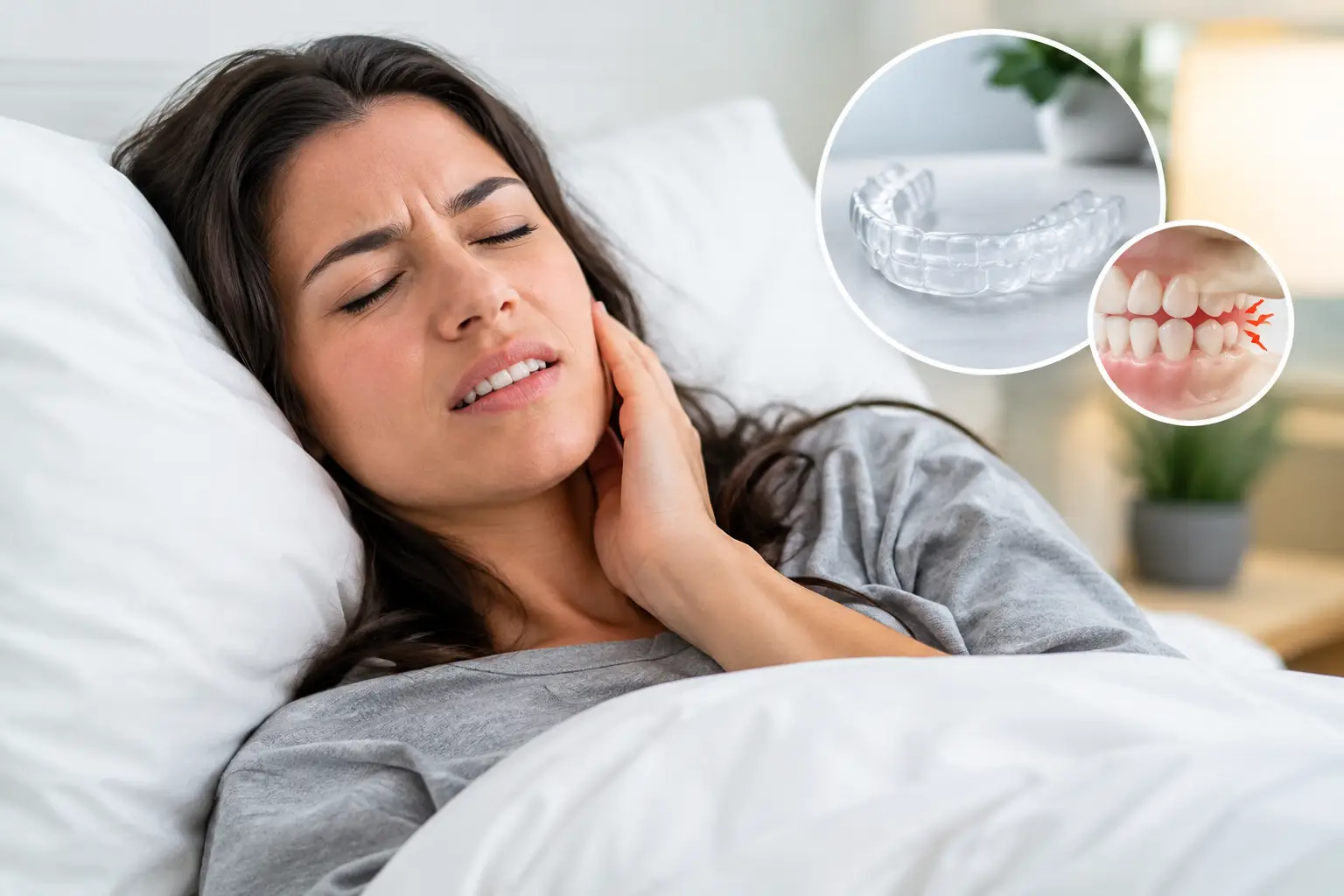
Waking up with a tight jaw, a dull headache, or teeth that feel unusually sensitive can make the morning start on the wrong note. If you are wondering how to stop teeth grinding, the answer begins with identifying why it is happening. Grinding, also called bruxism, is common, but it should not be ignored. Over time, the repeated pressure can wear down enamel, damage restorations, strain your jaw joints, and change the appearance of your smile.
The reassuring news is that teeth grinding can be managed. A thoughtful plan may include simple stress-reducing habits, protection for your teeth at night, and dental care tailored to the source of the problem.
Why Teeth Grinding Happens
Some people clench or grind during the day, especially while concentrating, driving, exercising, or dealing with stress. Others grind mostly during sleep and may not realize it until a partner hears the sound or a dentist notices the signs.
Stress and anxiety are common contributors, but they are not the only explanation. Sleep disruptions, including sleep apnea, can be associated with nighttime grinding. Bite changes, missing teeth, poorly fitting restorations, certain medications, caffeine, alcohol, and tobacco can also play a role. In children, grinding can occur during periods of growth, although it still deserves a dentist’s attention if it is frequent or causing discomfort.
That is why a one-size-fits-all solution is rarely the best approach. A night guard may protect teeth very well, for example, but it will not resolve untreated sleep apnea or remove the stress that is causing daytime clenching. Finding the contributing factors helps protect your long-term comfort and oral health.
Signs You May Be Grinding Your Teeth
Grinding is not always loud or obvious. Your dentist may spot the earliest signs during a routine exam, before you feel significant pain. Worn or flattened tooth edges, tiny cracks, chipped teeth, receding gums, and damaged fillings or crowns can all point to excessive pressure.
You may also notice jaw soreness when you wake up, facial muscle fatigue, headaches near the temples, ear-area pain, or tooth sensitivity without a clear cavity. Some people experience clicking or popping in the jaw joint, though joint sounds alone do not always mean there is a serious problem.
If a tooth suddenly feels tender when you bite, do not assume it will settle on its own. A crack or a damaged restoration can worsen when it continues to absorb grinding forces. Prompt care can often prevent a smaller concern from becoming an urgent dental problem.
How to Stop Teeth Grinding: Start With Daytime Awareness
Many people do not realize that their teeth should not normally touch when they are resting. A relaxed jaw position leaves a small space between the upper and lower teeth, with your lips gently closed and your tongue resting lightly behind your upper front teeth.
Try checking in with your jaw at natural points in the day: when you open your computer, stop at a red light, answer a call, or refill your water. If you notice clenching, let your shoulders drop, relax your jaw, and slowly breathe out. A phone reminder or a small note at your desk can help turn this into a useful habit.
Stress management matters because your jaw often holds tension before you consciously feel it. A short walk, gentle stretching, regular exercise, breathing exercises, or a calming evening routine may reduce the urge to clench. The right strategy is the one you can realistically repeat. If anxiety feels persistent or overwhelming, support from a medical or mental health professional can be an important part of your care.
Make Your Evening Routine More Jaw-Friendly
Nighttime grinding can be harder to control directly, but a few changes may reduce triggers. Limit caffeine later in the day, particularly if you are sensitive to coffee, energy drinks, or tea. Alcohol can disrupt sleep quality and may make nighttime grinding worse for some people. Tobacco and nicotine can also contribute to sleep disturbance.
Give your jaw a break before bed. Avoid chewing gum, biting pens, or eating very chewy foods if your muscles already feel sore. A warm compress along the cheeks and jaw for 10 to 15 minutes may feel soothing. Gentle massage can help too, but avoid aggressive stretching or forcing your jaw open if you have pain or clicking.
Good sleep habits are worth taking seriously. Keep a consistent sleep schedule when possible, make your bedroom comfortable and dark, and set aside screens or work tasks long enough to wind down. These steps will not cure every case of bruxism, but better sleep supports better muscle recovery.
A Custom Night Guard Can Protect Your Teeth
For many adults, a custom dental night guard is one of the most effective ways to prevent further tooth damage from sleep grinding. It is designed from impressions or digital scans of your teeth, so it fits securely and distributes biting forces more evenly. It creates a protective barrier between upper and lower teeth while helping reduce the stress placed on restorations and enamel.
Over-the-counter guards can be convenient for short-term use, but they are not always comfortable or durable. A bulky or poorly fitted guard may be hard to wear consistently, and some boil-and-bite styles can encourage chewing. They also cannot account for your bite, tooth alignment, existing crowns, implants, or jaw concerns in the way a professionally made appliance can.
A custom guard is not the same as a sports mouthguard. Athletic mouthguards are built to cushion against impact, while a nighttime appliance is made to address the specific forces and fit involved in grinding. Your dentist can recommend the right type and check it over time as your bite or dental work changes.
When Grinding May Point to a Larger Health Concern
Tell your dentist if you snore loudly, wake up gasping, feel excessively sleepy during the day, or have been told you stop breathing in your sleep. These can be signs of sleep apnea, a condition that deserves medical evaluation. Teeth grinding sometimes occurs alongside sleep-related breathing problems, so protecting your teeth should go hand in hand with addressing your overall health.
It is also helpful to mention any new medications, ongoing headaches, jaw locking, or changes in your bite. A dentist can evaluate your teeth, gums, jaw muscles, and jaw joints, then coordinate with your physician or a sleep specialist when appropriate. Honest answers about your symptoms lead to more useful recommendations.
Repairing Damage Caused by Grinding
If grinding has already worn down or cracked teeth, treatment depends on the extent of the damage. Small chips may be repaired with bonding. Worn, weakened, or fractured teeth may need a crown for protection. If teeth have become shorter or their appearance has changed, a carefully planned restorative or cosmetic approach can rebuild comfort, function, and confidence.
The priority is not simply making teeth look better. Restoring the right shape and bite relationship can help protect your dental work from future strain. At Shine & Sparkle Dentistry, care begins with a clear conversation about what we see, what it means, and which options make sense for your needs and budget.
When to Schedule a Dental Visit
Make an appointment if you wake with recurring jaw pain or headaches, notice chips or sensitivity, hear yourself grinding, or have a partner who hears it at night. Seek prompt dental care for a broken tooth, a loose crown or filling, severe pain when biting, jaw locking, swelling, or signs of infection.
You do not have to wait until grinding causes visible damage. A comfortable exam can provide answers early, protect your smile, and give you a plan that feels manageable. Your teeth work hard every day. Giving them the right protection at night is a simple, meaningful way to care for them.