6505 W Park Blvd #132 Plano, TX 75093

Braces for a Healthier, More Confident Smile
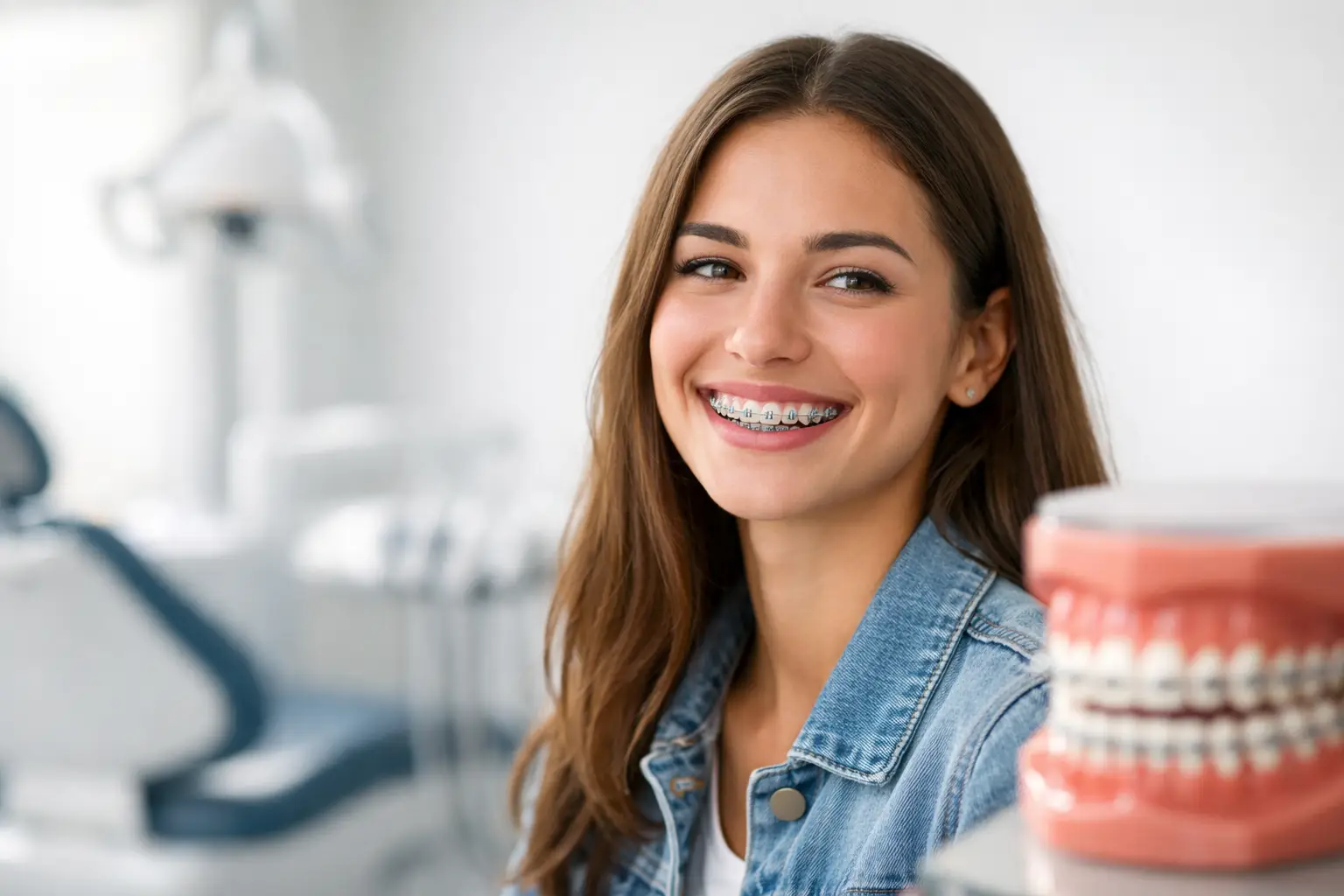
A smile can look straight and still feel uncomfortable to use. Crowded teeth can be difficult to clean, a deep bite may wear down enamel, and gaps can affect the way teeth meet when you chew. Braces do more than improve appearance – they guide teeth into healthier positions so your smile can function comfortably and confidently for years to come.
For children, teens, and adults, orthodontic care is highly personal. The right approach depends on your bite, the condition of your teeth and gums, your treatment goals, and the level of visibility and flexibility you prefer. A thoughtful orthodontic evaluation gives you clear answers before you commit to treatment.
What Braces Can Help Correct
Braces apply gentle, consistent pressure that gradually moves teeth and guides the bite into better alignment. Treatment can address a range of concerns, including crowding, spacing, crooked teeth, overbites, underbites, crossbites, and open bites. These issues are not always cosmetic. When teeth do not fit together properly, they can be harder to brush and floss, more prone to uneven wear, or uncomfortable during chewing.
Some patients notice that one tooth sits behind another or that their front teeth overlap too much. Others have a bite concern that is less obvious in photos but affects daily comfort. An orthodontic exam looks beyond the visible surface of your smile. Your dentist evaluates tooth position, jaw relationships, gum health, and whether there is enough room for teeth to move safely.
Straightening teeth can make home care more manageable, but braces are not a substitute for healthy habits. Brushing carefully, cleaning between teeth, and keeping regular dental visits remain essential throughout treatment. Healthy gums and teeth provide the best foundation for a successful result.
Braces for Kids, Teens, and Adults
There is no single “right age” for braces. Each stage of life brings different opportunities and considerations.
Early orthodontic checks for children
A child may benefit from an orthodontic evaluation even before all permanent teeth have erupted. Early visits do not automatically mean early braces. Often, the best recommendation is simply to monitor growth and tooth development over time.
In certain cases, early treatment can help guide jaw growth, create room for incoming teeth, or address habits that affect the bite. When treatment is needed, it may be completed in phases. That can sound like more work, but it can be the gentlest and most effective path for some developing smiles.
Teen braces and changing schedules
The teenage years are a common time for orthodontic treatment because most permanent teeth are in place and the jaw is still growing. Traditional braces are reliable for many types of alignment concerns, including more complex bite changes.
Teens often worry about how braces will look, especially around school events, sports, and photos. That concern is completely understandable. Today’s orthodontic options are more comfortable and lower-profile than many patients expect. The best choice still depends on the treatment needed, not just appearance.
Adult orthodontic treatment
Adults choose braces for many reasons: they never had treatment as a child, teeth shifted after prior orthodontic care, or they want to improve their smile before a major life event. Adults can achieve excellent outcomes, although tooth movement may take a different amount of time than it does for a growing child.
Before treatment, your dentist will check for concerns such as gum disease, untreated cavities, damaged restorations, or missing teeth. Addressing those needs first helps protect your oral health and makes orthodontic planning more predictable. It is never too late to ask what may be possible for your smile.
Choosing the Right Type of Braces
The best orthodontic option is the one that safely addresses your specific needs while fitting your daily routine. During a consultation, you should receive an honest explanation of what each option can accomplish and where its limitations may be.
Traditional metal braces remain a dependable choice. They are highly effective, durable, and suitable for a wide variety of alignment and bite concerns. Modern brackets are smaller than many people remember, and colored bands can make treatment feel more personal for younger patients.
Clear or tooth-colored braces may be appealing for patients who want a less noticeable option. They work similarly to metal braces but blend more naturally with the teeth. Depending on your bite and eating habits, however, clear brackets can stain or be more delicate than metal ones.
Clear aligners are another orthodontic option for many patients. Because they are removable, they can make eating and brushing easier. The trade-off is consistency: aligners must be worn as directed, usually most of the day, to keep treatment moving forward. They may not be the best choice for every complex bite concern.
No option is automatically better than another. Your treatment plan should reflect your dental needs, lifestyle, budget, and ability to follow at-home instructions.
What to Expect During Braces Treatment
The process begins with a detailed evaluation. Your dentist may take digital images, X-rays, photographs, or impressions to understand how your teeth and bite work together. This planning stage matters because successful orthodontic care is about more than lining up the front teeth.
Once braces are placed, you will return for periodic adjustment visits. These appointments allow your dental team to check progress, make careful changes, and answer questions. You may feel pressure or tenderness after braces are first placed and after some adjustments. This is usually temporary and often improves within a few days.
Treatment time varies. Mild alignment needs may take less time, while more involved bite corrections can take longer. Your cooperation also affects the timeline. Keeping appointments, wearing elastics or aligners as instructed, and avoiding foods that can damage brackets all help treatment stay on track.
With braces, certain foods require extra care. Hard candies, popcorn kernels, ice, sticky candy, and chewy foods can bend wires or loosen brackets. A broken bracket is not usually an emergency, but it can delay progress if it is not repaired promptly. If something feels sharp or uncomfortable, contact your dental office for guidance rather than trying to fix it yourself.
Keeping Teeth Healthy While Wearing Braces
Braces create small spaces where food and plaque can collect, so daily care needs a little more attention. Brush around brackets and along the gumline after meals when possible, using a soft-bristled toothbrush and fluoride toothpaste. Flossing is still necessary, even though it takes more patience. A floss threader, orthodontic flosser, or water flosser can make cleaning between teeth easier.
Regular professional cleanings are equally valuable during orthodontic treatment. Your dental team can spot early signs of inflammation, buildup, or enamel changes before they become bigger concerns. If gums bleed regularly, teeth become sensitive, or you notice white spots near brackets, mention it at your next visit.
Retainers are also part of the long-term plan. Teeth naturally have a tendency to shift over time, especially after active orthodontic treatment ends. Wearing a retainer as instructed helps protect the time, care, and investment you put into your new smile.
A Comfortable Start to Orthodontic Care
It is normal to have questions about braces, especially if you are concerned about discomfort, cost, treatment time, or how orthodontic care will fit into a busy family schedule. You deserve straightforward guidance, not pressure. At Shine & Sparkle Dentistry, we offer personalized orthodontic planning and free orthodontic exams so you can understand your options in a comfortable, welcoming setting.
A healthier smile often begins with one clear conversation. Whether you are considering braces for your child, your teenager, or yourself, an exam can help you feel informed, reassured, and ready to take the next step when the time feels right.