6505 W Park Blvd #132 Plano, TX 75093

Cosmetic Dentistry Transformations That Feel Like You

A smile makeover should not leave you looking like someone else. The most successful cosmetic dentistry transformations refine what makes your smile yours: the shape of your teeth, the balance of your gums, and the confidence you feel when you laugh, speak, or step into a photo. For many patients, the change is not about chasing perfection. It is about finally feeling comfortable showing their teeth.
At Shine & Sparkle Dentistry, we begin with an honest conversation about what you see, what you want to change, and what will best support your oral health over time. Whether you are concerned about discoloration, chips, gaps, worn teeth, or older dental work that no longer matches, your treatment should be personal, clear, and built around realistic results.
What Cosmetic Dentistry Can Change
Cosmetic dental treatment focuses on the appearance of your smile, but appearance and function often overlap. A tooth that has worn down may look shorter while also affecting your bite. A chipped front tooth can draw attention in photos and make you hesitant to smile. Replacing an aging, stained filling or crown may improve both the look of a tooth and its ability to function comfortably.
The right option depends on the concern, the condition of your teeth and gums, and how much change you want. Teeth whitening can brighten healthy natural enamel. Bonding can repair minor chips, soften uneven edges, or close small spaces. Veneers can change the visible color, shape, and proportion of front teeth. Crowns can restore teeth with more significant damage while improving their appearance. Clear aligners may be a better first step when tooth position is the main issue.
There is no single “best” cosmetic procedure. A good plan considers your goals as well as the amount of healthy tooth structure that should be preserved. It also accounts for bite forces, gum health, budget, timeline, and the maintenance each option requires.
Cosmetic Dentistry Transformations Start With a Healthy Foundation
A beautiful result should never come at the expense of a healthy smile. Before beginning cosmetic treatment, your dentist will check for concerns such as cavities, gum inflammation, cracked teeth, grinding, and bite problems. Treating these issues first helps protect your investment and can prevent discomfort later.
For example, whitening is usually most predictable when decay and gum disease have been addressed. If you are considering veneers but clench or grind your teeth, a protective nightguard may be recommended after treatment. If you have bleeding gums or noticeable recession, periodontal care may be needed before changing the appearance of your front teeth.
This step can feel disappointing for patients who want a fast cosmetic fix, but it is a sign of careful care. Your smile should look better because it is supported by healthy teeth and gums, not because a problem was covered up temporarily.
Whitening for a Brighter, More Refreshed Smile
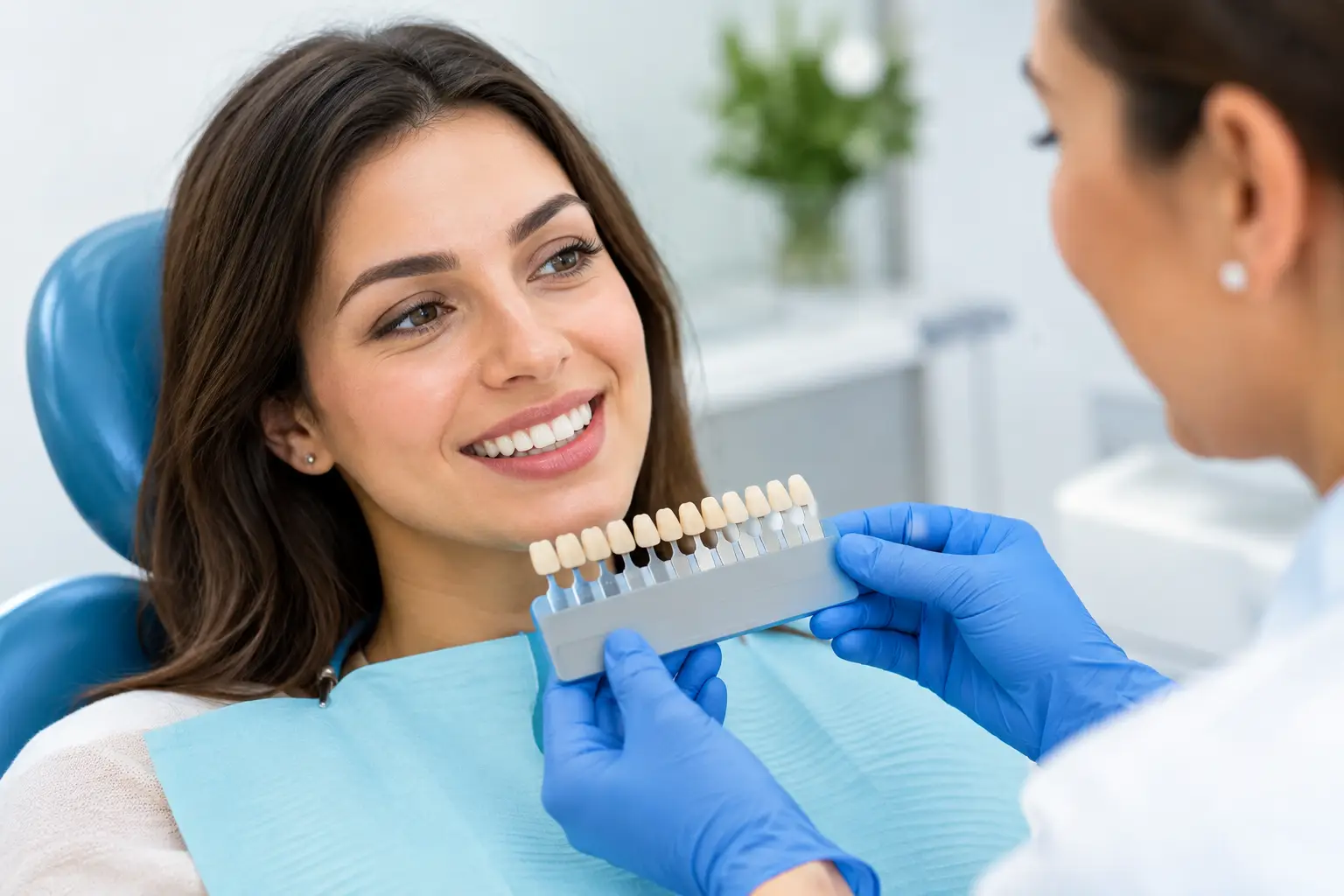
Professional whitening is often one of the simplest ways to create a noticeable change. It can lift stains from coffee, tea, red wine, tobacco, and natural aging. Many patients choose whitening before a wedding, a new job, a reunion, or any moment when they want to feel more confident.
Still, whitening has limits. It does not change the color of crowns, veneers, fillings, or bonding. It may also cause temporary sensitivity, especially for patients with sensitive teeth or exposed root surfaces. A dentist can help you choose a safe approach and determine whether whitening alone will give you the improvement you have in mind.
Bonding for Small but Meaningful Changes
Dental bonding uses tooth-colored resin to improve minor imperfections. It can be a conservative solution for a small chip, uneven edge, slight gap, or an area of discoloration that does not respond to whitening. Because bonding often requires little to no removal of natural enamel, it can be an appealing option for patients who want a subtle change.
The trade-off is durability. Bonding can stain or chip more easily than porcelain, particularly if you bite your nails, chew ice, or grind your teeth. With thoughtful care and regular dental visits, it can still provide a natural-looking improvement for the right situation.
Veneers When Shape, Color, and Balance Matter
Porcelain veneers are thin, custom-made shells placed on the front of teeth. They can address several concerns at once, including persistent discoloration, worn or uneven edges, gaps, and teeth that appear too small or irregularly shaped. When planned carefully, veneers can look remarkably natural because their color, translucency, and contour are selected to complement your features.
Veneers are also a more permanent commitment than whitening or bonding. In many cases, a small amount of enamel is adjusted to make room for the veneer. That is why the planning process matters so much. Your dentist should explain what is involved, discuss alternatives, and help you decide whether a conservative approach could meet your goals.
Crowns That Restore Strength and Appearance
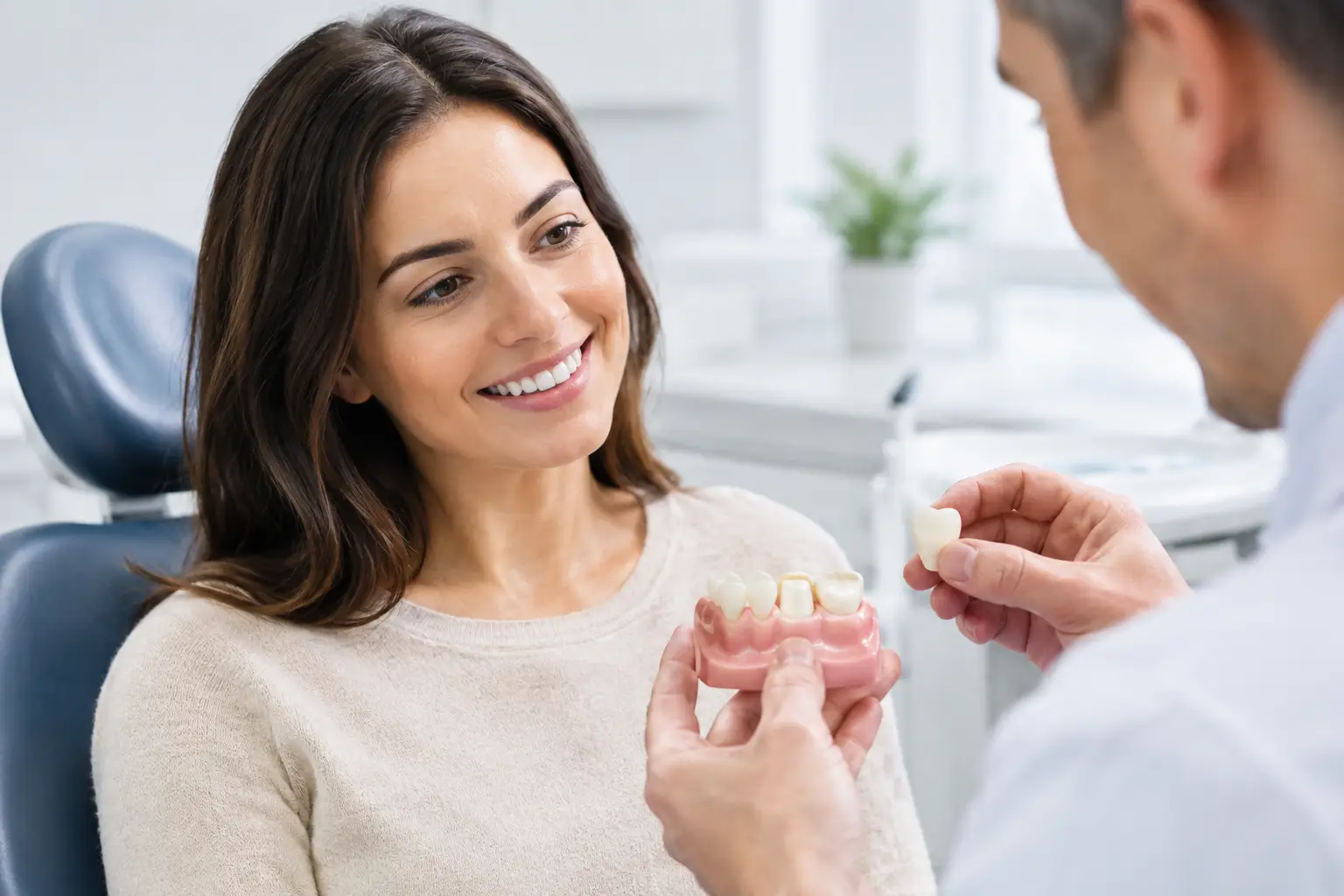
A crown may be recommended when a tooth is severely worn, broken, heavily filled, or weakened after root canal treatment. Unlike a veneer, which primarily covers the front surface, a crown surrounds the tooth to restore strength. Modern materials can be matched closely to surrounding teeth, helping a restored tooth blend naturally into your smile.
Crowns are not just a cosmetic shortcut. They are restorative treatment, and they work best when there is a genuine structural reason to use one. If a tooth is healthy enough for a less extensive option, your dentist should discuss that with you.
Designing a Smile That Looks Natural
The difference between an obvious makeover and a believable one is usually in the details. Natural teeth are not identical white rectangles. They have slight variations in shape, texture, and translucency. They fit the proportions of your face and the way your lips move when you smile.
During smile planning, your dentist may consider the length and width of your teeth, your gumline, facial symmetry, bite, and the amount of tooth visible when you talk. Photos, digital imaging, and diagnostic models can help you visualize possibilities before final treatment begins. These tools are useful, but they are only part of the process. Your preferences matter just as much.
Some patients want a brighter, more polished version of their current smile. Others want to correct years of wear, crowding, or dental damage. Sharing photos of smiles you like can be helpful, but your treatment should be designed for your face, your teeth, and your comfort level rather than copied from someone else.
Questions to Ask Before You Commit
Feeling informed is one of the best ways to feel confident about cosmetic dental care. Ask what problem each recommended treatment solves and whether there are more conservative alternatives. Ask how long the expected result may last, what maintenance will be needed, and what could affect its lifespan.
It is also reasonable to ask about total costs, timing, and whether treatment can be completed in phases. If you are replacing visible crowns or fillings, ask how the shade will be coordinated with your natural teeth. If several procedures are involved, such as orthodontics followed by whitening and veneers, ask which order will create the most predictable result.
An honest dentist will not pressure you toward the most extensive option. They will explain the benefits and limitations in plain language, give you time to consider your choices, and make sure you understand what your care involves.
Protecting Your New Smile
Cosmetic work lasts longer when it is supported by consistent home care and routine dental visits. Brush twice daily with a soft-bristled toothbrush, clean between your teeth every day, and keep up with professional cleanings. If you have veneers, crowns, or bonding, avoid using your teeth to open packages or bite hard objects.
For patients who grind their teeth, a custom nightguard can be especially valuable. If you whiten your teeth, occasional touch-ups may help maintain the shade over time. Coffee, tea, red wine, and tobacco can stain natural enamel and some restorative materials, so moderation and regular cleaning make a difference.
The goal is not a smile that looks artificially perfect. It is a smile that feels healthy, balanced, and easy to share. When you are ready to explore your options, a one-on-one cosmetic consultation can give you clear answers and a plan that respects both your confidence and your long-term dental health.