6505 W Park Blvd #132 Plano, TX 75093

A Guide to Full Mouth Reconstruction Options
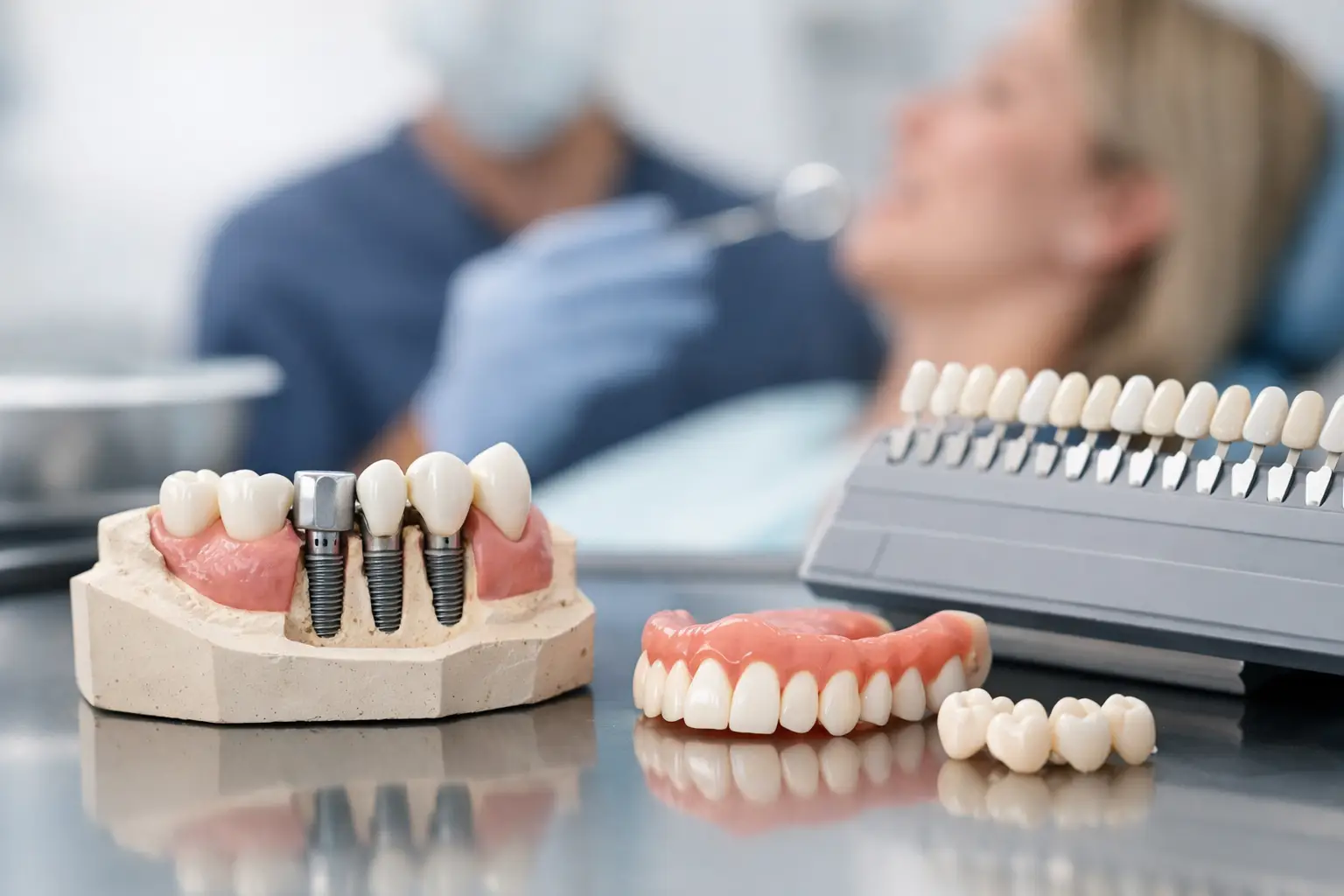
When eating feels difficult, smiling makes you self-conscious, or several dental problems seem to be piling up at once, a guide to full mouth reconstruction can make the path forward feel less overwhelming. This type of care is not one procedure or a one-size-fits-all smile makeover. It is a personalized plan that restores the health, function, comfort, and appearance of your teeth and gums.
For many patients, the first concern is not cosmetic. It may be tooth pain, worn teeth, missing teeth, old dental work that keeps failing, or the frustration of avoiding favorite foods. A thoughtful reconstruction plan looks at the complete picture so treatment addresses the cause of those problems, not just the most noticeable symptom.
What Is Full Mouth Reconstruction?
Full mouth reconstruction, also called full mouth rehabilitation, combines restorative and sometimes cosmetic dental treatments to rebuild much or all of a patient’s smile. It may involve every tooth, but it does not always mean every tooth needs treatment. Some patients need several restorations in one area of the mouth, while others need more extensive care throughout both arches.
The goal is to help your bite work properly while protecting your remaining healthy tooth structure. Depending on your needs, treatment may also improve the shape, color, and balance of your smile. The best plan is built around your oral health, goals, timeline, and budget rather than a predetermined package.
Who May Benefit From This Treatment?
A full mouth reconstruction may be appropriate for people with widespread decay, advanced tooth wear, multiple missing teeth, broken or failing crowns, or damage from injury. It can also help patients whose bite has changed over time because teeth have shifted, been lost, or worn down.
Grinding and clenching can play a major role. When teeth are repeatedly exposed to excessive force, they can become shorter, sensitive, chipped, or cracked. Gum disease is another important consideration. If the gums and bone supporting the teeth are unhealthy, those conditions generally need attention before permanent restorations are placed.
Patients often assume they must be in severe pain to qualify for reconstruction. That is not always the case. Some people have adapted to long-standing issues and may not realize how much their bite, chewing ability, or confidence has changed until they receive a complete evaluation.
Your Guide to Full Mouth Reconstruction Planning
The planning stage is where careful dentistry matters most. A reconstruction should not begin with a quick glance and a generic recommendation. Your dentist needs to understand how your teeth, gums, jaw joints, and bite work together.
At a comprehensive visit, your dentist may take digital X-rays, photographs, impressions or digital scans, and records of your bite. They will check for decay, gum inflammation, signs of grinding, cracked teeth, and areas where old dental work is no longer protecting the tooth beneath it. If you have jaw soreness, frequent headaches, or trouble opening and closing comfortably, those symptoms should be part of the conversation too.
Just as important, you should have time to explain what you want to change. Perhaps you want to eat comfortably again, avoid removable dentures, repair a smile that looks worn, or feel confident in photos. Honest communication helps your dentist prioritize treatment in a way that makes sense for your life.
Treatment Usually Happens in Phases
Although every plan is different, full mouth reconstruction often follows a sensible sequence. Urgent concerns, such as infection, severe pain, or unstable teeth, are handled first. Gum treatment and preventive care may come next, because healthy gums create a stronger foundation for restorations.
After that, your dentist may restore teeth, replace missing teeth, adjust bite concerns, or improve the look of the smile. Temporary restorations may be used while the dentist evaluates comfort, bite position, and appearance before final crowns, bridges, or other long-term solutions are placed.
Phasing treatment can make a complex plan more manageable. It can also allow you to spread care over time when clinically appropriate. However, some steps cannot be delayed without affecting the success of later treatment. Your dentist should explain which needs are urgent, which are foundational, and which can be scheduled around your priorities.
Treatments That May Be Part of a Reconstruction
A full mouth reconstruction can include a range of services, selected only when they support your individual treatment goals. Common options include:
- Periodontal treatment to manage gum disease and support healthier gums
- Fillings, root canal treatment, or extractions for damaged or infected teeth
- Dental crowns to protect weakened, cracked, or heavily restored teeth
- Bridges, dentures, or dental implants to replace missing teeth
- Veneers or cosmetic bonding when appearance is a key part of the plan
- Orthodontic treatment when teeth need to be moved into a healthier position
- Night guards to help protect restorations from grinding or clenching
Dental implants are often a valuable option for replacing missing teeth because they replace the tooth root as well as the visible tooth. Still, implants are not automatically the best answer for everyone. Bone health, gum health, medical history, healing time, and personal preferences all matter. In some situations, a bridge or removable option may be more suitable or more affordable.
Crowns are another common component, particularly for teeth that have lost significant structure. They can restore strength and appearance, but they require healthy supporting tissue and careful bite planning. A good reconstruction protects teeth without removing more natural tooth structure than necessary.
How Long Does Full Mouth Reconstruction Take?
The timeline can range from a few months to a year or longer. It depends on the number of teeth involved, whether gum disease needs treatment, whether implants are planned, and how your mouth responds during each phase.
Implants may require healing time before final teeth can be attached. Orthodontic care also takes time, but moving teeth into better positions may reduce the need for more aggressive restorative work later. For patients with a busy work or family schedule, discussing appointment timing early can help make the process easier to manage.
While it can be tempting to seek the fastest possible solution, rushing complex dental work may compromise comfort, fit, or long-term stability. A well-paced plan gives your dentist opportunities to check your bite, make refinements, and ensure that your final restorations feel natural.
Understanding Cost, Insurance, and Priorities
The cost of full mouth reconstruction varies widely because no two smiles have the same needs. The type and number of procedures, materials used, implant needs, laboratory work, and treatment timeline all affect the final investment.
Dental insurance may help with parts of treatment that are considered medically necessary, such as fillings, crowns, periodontal care, or extractions. Cosmetic services and certain implant-related costs may have more limited coverage. Before beginning, ask for a written treatment plan that separates recommended care into clear phases and explains expected costs, insurance considerations, and available payment options.
Affordable care does not have to mean cutting corners. It means receiving honest guidance about where treatment is most needed now, which options offer lasting value, and what may be safely postponed. At Shine & Sparkle Dentistry, that conversation is designed to be clear, personal, and free from pressure.
Caring for Your New Smile
Reconstruction is an investment in your health, and long-term maintenance protects that investment. Daily brushing, flossing or other recommended cleaning tools, routine exams, and professional cleanings remain essential. If you grind your teeth, wearing a custom night guard can help protect crowns, veneers, and natural teeth from excessive force.
Your dentist may also recommend more frequent periodontal visits if you have a history of gum disease. Restorations are durable, but they are not maintenance-free. Prompt attention to a loose crown, chipped restoration, gum bleeding, or new sensitivity can prevent a small issue from becoming a larger repair.
A healthier smile should never feel out of reach simply because your needs are complex. Start with a complete evaluation, ask every question you have, and choose a plan that helps you feel informed, comfortable, and confident at each step.