6505 W Park Blvd #132 Plano, TX 75093

Implant Retained Dentures for a Secure Smile
A denture that shifts when you laugh, speak, or enjoy a meal can make everyday moments feel stressful. Implant retained dentures offer a more secure alternative for people who are tired of loose dentures, messy adhesives, or avoiding favorite foods. By connecting a custom denture to carefully placed dental implants, this treatment can restore meaningful comfort, function, and confidence.
At Shine & Sparkle Dentistry, every recommendation begins with listening. Whether you have worn dentures for years or are considering tooth replacement for the first time, you deserve clear answers, a gentle approach, and a plan that fits your health, goals, and budget.
What Are Implant Retained Dentures?
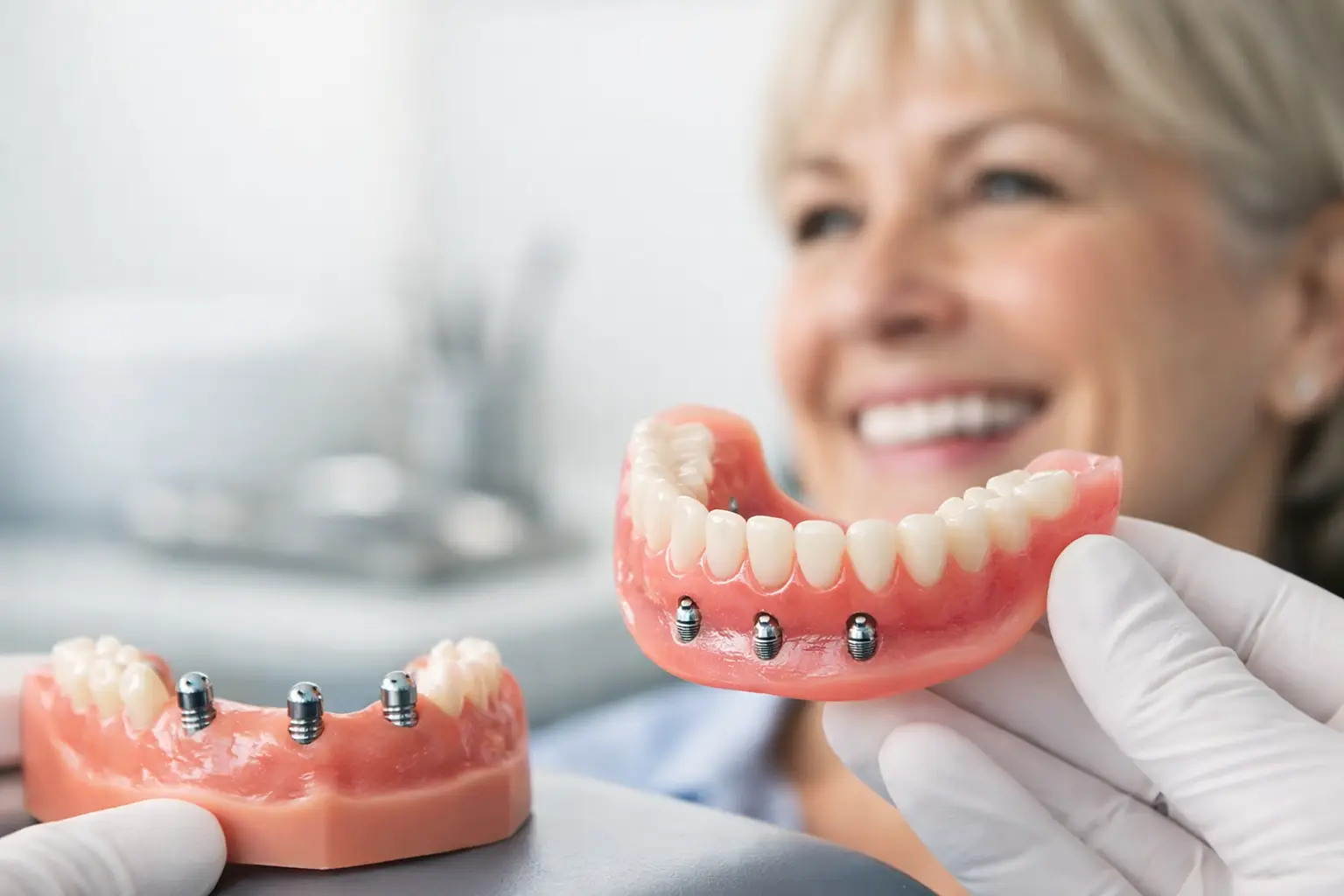
Implant retained dentures are removable dentures that attach to dental implants placed in the jawbone. The implants act like artificial tooth roots, helping hold the denture in place more reliably than suction or adhesive alone.
Most patients receive two to four implants for a lower denture, although the ideal number depends on bone health, bite forces, and the type of restoration being planned. Upper dentures may require more implants because the upper jaw has different anatomy and because the denture design does not rely on the palate for suction in the same way.
The denture typically snaps onto small connectors attached to the implants. You can remove it for thorough cleaning, then place it back securely. This differs from a fixed full-arch implant bridge, which stays in place and is removed only by a dental professional.
Why Traditional Dentures Can Feel Unstable
A conventional denture rests on the gums. While a well-made denture can look natural and serve many patients well, it may become less stable over time as the jawbone changes shape after tooth loss. Lower dentures are especially prone to movement because the tongue and floor of the mouth leave less surface area for the denture to rest against.
That movement can lead to sore spots, clicking, trouble pronouncing certain words, and a constant awareness that the denture might slip. Adhesives can help in some cases, but they do not stop the ongoing bone changes that contribute to a loose fit.
Dental implants provide anchoring points within the jaw. For many patients, that added stability is the difference between carefully managing a denture and feeling comfortable wearing it throughout the day.
Benefits of Implant Retained Dentures
The most immediate benefit is security. When dentures are held by implants, they are less likely to lift, slide, or move during conversations and meals. Patients often find that they can speak more naturally and enjoy a wider variety of foods with less worry.
Implants can also help preserve jawbone. After teeth are lost, the bone that once supported them gradually shrinks because it no longer receives normal chewing stimulation. Implants transmit some force to the bone, helping reduce the rate of bone loss around the implant sites. They cannot restore every bit of lost bone, but they can play an important role in protecting facial support over time.
Comfort matters, too. A denture that stays in place usually creates less rubbing on the gums. Because many implant-retained designs can be made with less palate coverage, some upper-denture patients also notice that food tastes more natural and their speech feels less restricted.
The emotional benefit is just as real. Replacing missing teeth is not only about chewing. It is about smiling in photos, talking comfortably at work, and going out to dinner without planning around a loose denture.
Is This Treatment Right for You?
Many adults with missing teeth are good candidates for implant retained dentures, including people who already wear conventional dentures. The right treatment depends on more than the number of missing teeth. Your dentist will review the condition of your gums, the amount and quality of available bone, your overall health, your bite, and your goals for appearance and function.
Some health conditions require additional planning, but they do not automatically rule out implants. For example, well-managed diabetes may still be compatible with implant treatment, while smoking can affect healing and long-term implant success. If bone loss is significant, bone grafting may be recommended before implants can be placed.
A detailed exam and imaging are essential. Modern digital imaging helps your dental team evaluate the jaw with precision and plan implant placement around important structures. This careful preparation supports a safer procedure and a more predictable result.
What the Treatment Process Looks Like
The process is personalized, but it generally happens in stages. Your first visit includes a conversation about your concerns, an oral examination, and diagnostic imaging. You should leave with an understandable explanation of your options, not pressure to choose a treatment before you feel ready.
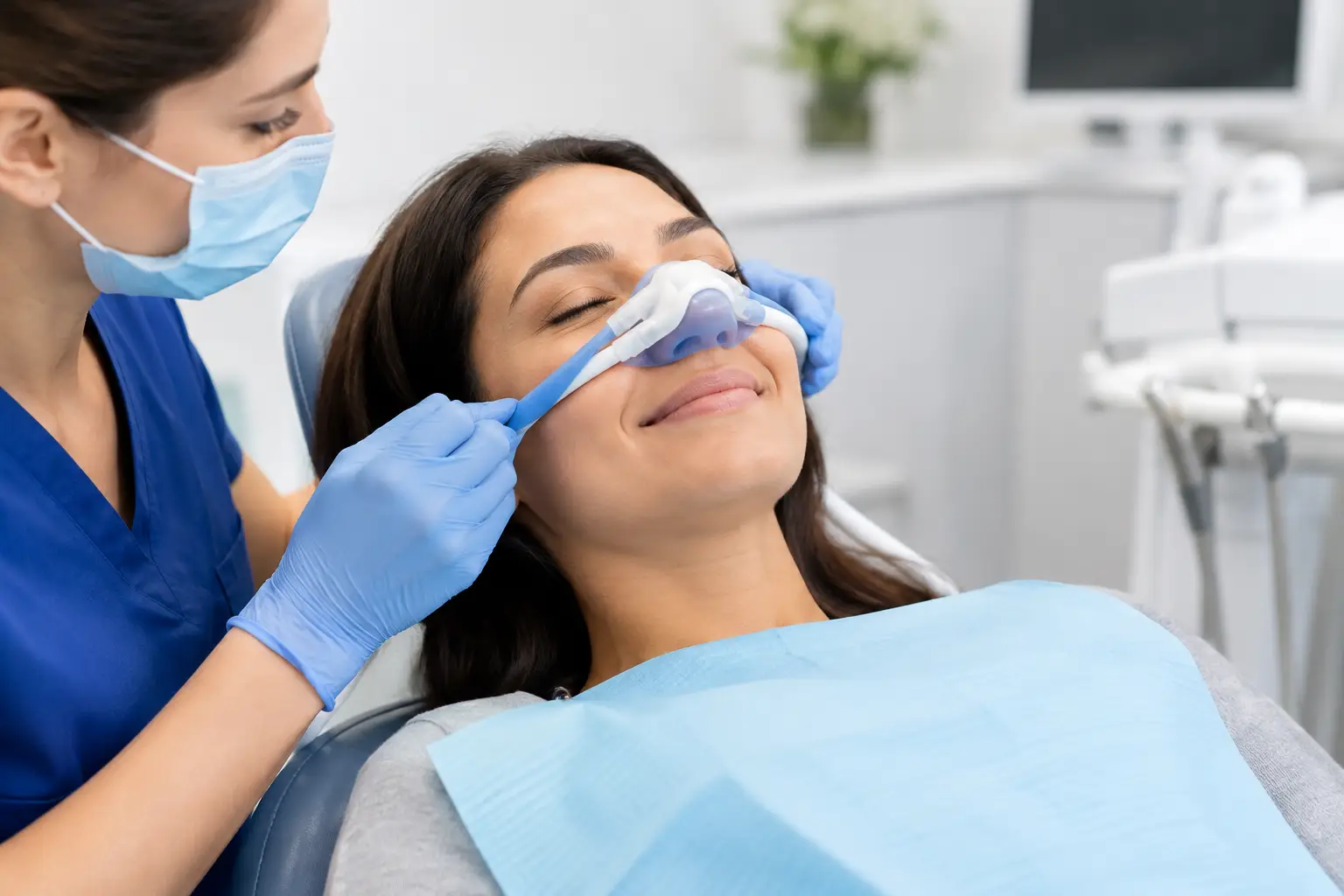
If implants are appropriate, they are placed in the jawbone during a surgical appointment. Local anesthesia is used to keep you comfortable, and additional comfort options may be discussed when appropriate. Some patients can continue using a modified existing denture while healing.
Over the next several months, the implants bond with the bone in a process called osseointegration. Healing time varies by patient and by whether grafting or extractions were needed. Once the implants are stable, the dentist places the attachments and creates or adjusts the custom denture for a secure fit.
There is an adjustment period. Your mouth, muscles, and bite may need time to adapt to the new restoration. Follow-up visits allow your dental team to fine-tune the fit, answer questions, and make sure you feel comfortable using and caring for your dentures.
Implant Retained vs. Fixed Implant Dentures
Both options use implants, but they are designed for different priorities. Implant retained dentures are removable and are often a more affordable way to improve denture stability. They are easier to take out for cleaning and may require fewer implants than a fixed solution.
Fixed implant dentures, sometimes called full-arch bridges, are secured to implants and stay in the mouth. They can feel more like natural teeth, but they usually involve more implants, a higher investment, and a different cleaning routine. Neither option is automatically better. The best choice is the one that supports your oral health, lifestyle, preferences, and long-term comfort.
Caring for Your New Dentures and Implants
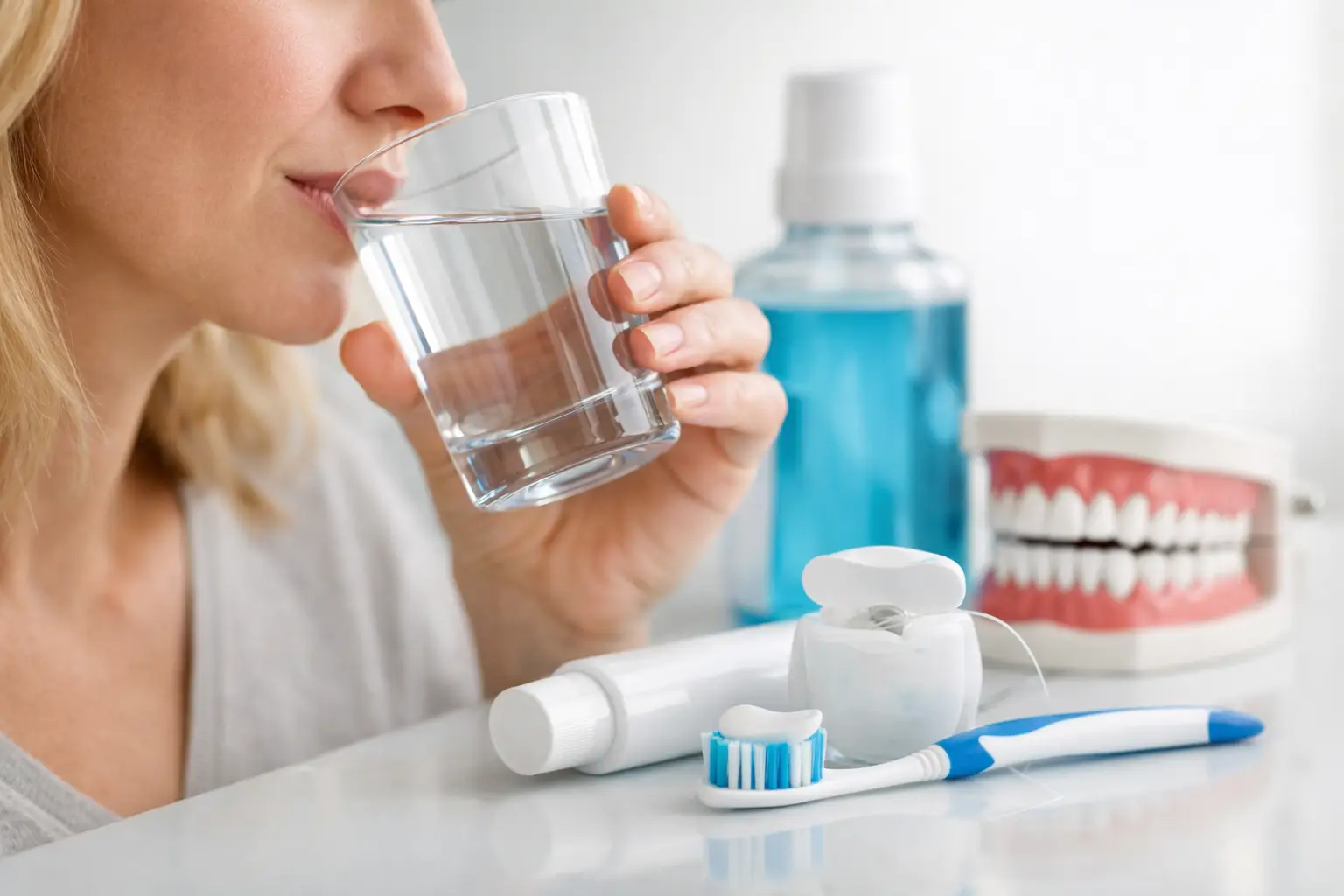
Implants are not immune to gum disease. Daily care protects the tissue and bone around them, which is essential for keeping your investment healthy. Remove your denture as instructed, clean the underside and attachments, and brush your gums, tongue, and any remaining natural teeth.
Your denture should also be cleaned daily with products recommended for denture materials. Avoid abrasive toothpaste or very hot water, which can scratch or warp the appliance. Regular dental checkups remain important because the attachments, denture base, bite, and gum tissues all need periodic evaluation.
Over time, small components such as retention inserts may wear and need replacement. This is normal maintenance, not a sign that the implants have failed. A denture may also need relining as gums and bone naturally change.
Questions About Cost and Comfort
The cost of implant retained dentures varies because every mouth has different needs. The number of implants, whether extractions or bone grafting are needed, the design of the denture, and the materials selected all affect the overall investment. A trustworthy treatment plan should explain these factors clearly, along with what is included in your care.
It is also reasonable to be nervous about implant treatment. Dental anxiety is common, especially for patients who have had difficult experiences in the past. A comfort-first practice will explain each step, check in with you often, and help you make decisions at a pace that feels manageable.
A secure smile should never feel out of reach simply because traditional dentures have been frustrating. With a thoughtful evaluation and personalized care, implant retained dentures can help you return to meals, conversations, and smiles with greater ease and confidence.