6505 W Park Blvd #132 Plano, TX 75093

Is Invisalign Right for Your Smile and Lifestyle?
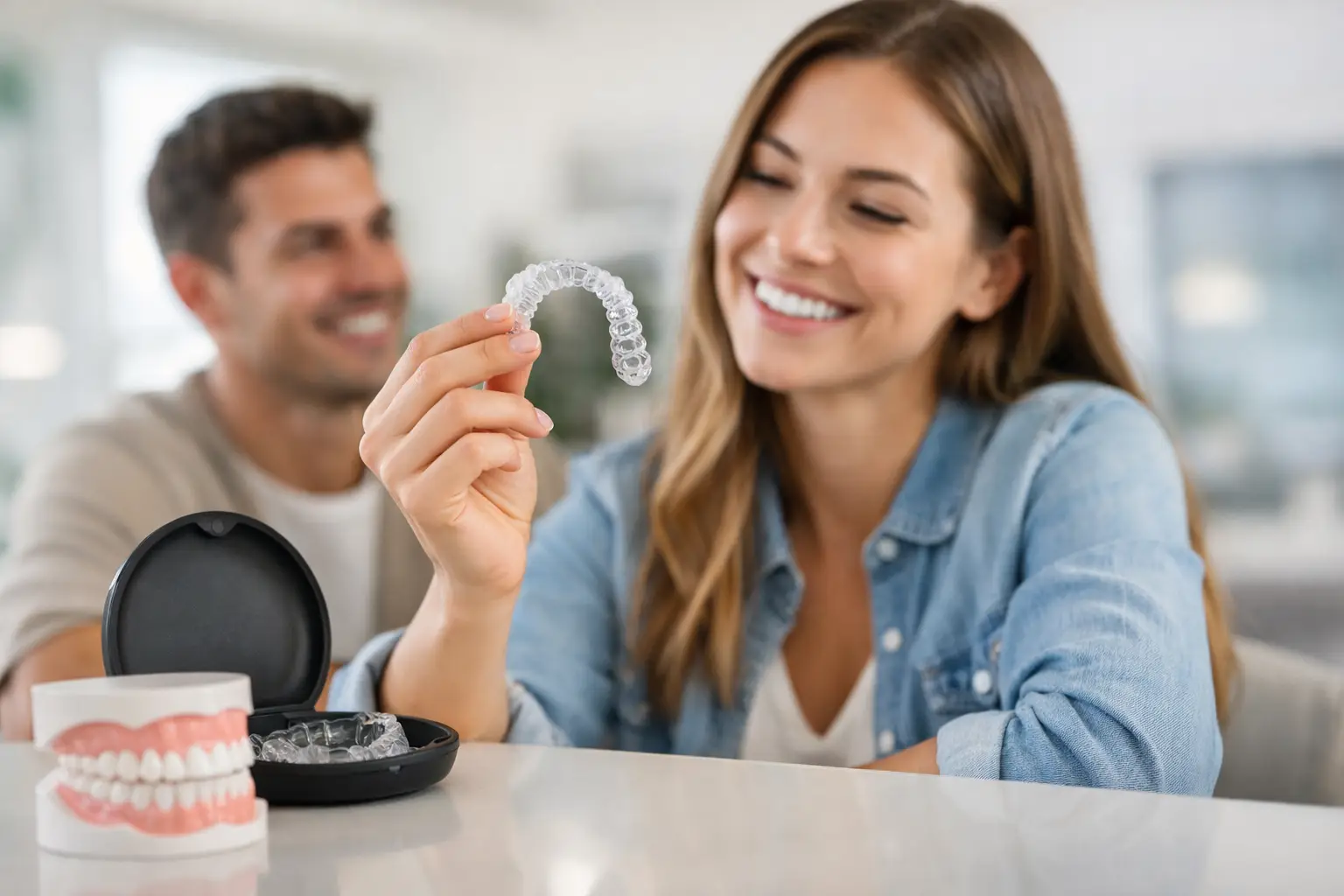
A straighter smile should not require you to hide your teeth during treatment. Invisalign uses clear, removable aligners to gradually guide teeth into better positions, making it a popular option for adults and teens who want orthodontic care that fits naturally into school, work, meals, and everyday life.
For many patients, the appeal is easy to understand: the aligners are discreet, there are no brackets or wires, and you can remove them to eat and brush. Still, clear aligners are not automatically the best choice for every smile. A thoughtful exam and an honest conversation are the best ways to determine whether this treatment can meet your goals.
How Invisalign Straightens Teeth
Invisalign treatment uses a series of custom clear aligners. Each set is designed to place gentle, controlled pressure on specific teeth. You wear one set for the time recommended by your dentist, then move to the next set as your teeth gradually shift.
Your treatment begins with a detailed evaluation of your smile, bite, gums, and oral health. Digital imaging and planning help your dentist map out the movements needed to address concerns such as crowding, spacing, certain bite problems, or teeth that have shifted after earlier orthodontic treatment. The aligners are made specifically for your teeth, not selected from a one-size-fits-all tray.
Some patients may need small tooth-colored attachments placed on a few teeth. These are temporary and help the aligners create more precise movements. In some cases, a small amount of space may also be created between teeth to improve alignment. Your dentist should explain why either step is recommended before treatment begins, so you can feel informed and confident about your care.
The Everyday Advantages of Clear Aligners
The most noticeable benefit is discretion. Clear aligners are much less visible than traditional braces, which can be especially helpful for professionals, students, and anyone who feels self-conscious about orthodontic treatment.
Comfort and convenience also matter. Unlike braces, aligners do not have wires that may poke or brackets that can catch food. Because they are removable, you can take them out for meals, special occasions, brushing, and flossing. That makes it easier to continue enjoying the foods you like and maintain your usual oral hygiene routine.
Clear aligners can be a strong option for people with busy schedules because appointments are often focused on monitoring progress and receiving the next sets of aligners. However, removable treatment also comes with responsibility. For Invisalign to work as planned, aligners generally need to be worn about 20 to 22 hours a day. Taking them out frequently or forgetting to put them back in can slow progress and affect the final result.
Who May Be a Good Candidate for Invisalign?
Invisalign may help patients with mild to moderate crowding, gaps, relapse after braces, and certain bite alignment concerns. It can be an excellent choice for patients who are committed to wearing their aligners consistently and want a more subtle way to improve their smile.
A healthy foundation is essential. Active gum disease, untreated cavities, significant tooth damage, or ongoing dental pain should be addressed before orthodontic movement begins. Moving teeth without first treating underlying concerns can put oral health at risk. Comprehensive dental care is valuable here because your orthodontic plan can be coordinated with preventive, restorative, or cosmetic needs.
There are situations where traditional braces may be a more predictable recommendation. Complex bite discrepancies, severely rotated teeth, major jaw alignment concerns, or movements that require more control may call for brackets and wires. This is not a failure of clear aligners. It simply means the safest, most effective treatment depends on the details of your bite and your treatment goals.
Age is only one part of candidacy. Responsible teens can do very well with aligners, while adults of many ages may be candidates if their teeth and gums are healthy. The deciding factor is whether the treatment plan is right for the individual, not whether clear aligners happen to be the most popular option.
What the Invisalign Process Usually Looks Like
After your consultation and diagnostic records, your dentist develops a customized treatment plan. Once your aligners are ready, you will receive instructions on how to wear, remove, clean, and store them. You will also learn when to change to the next set.
Most patients notice a period of adjustment when starting a new aligner. Your teeth may feel pressure or mild tenderness for a day or two, which is typically a sign that the aligner is working. Many people find this more manageable than they expected, especially because there are no wire adjustments.
Check-in visits allow your dentist to make sure treatment is progressing as intended. These visits matter. Teeth do not always move exactly the same way from person to person, and careful monitoring allows adjustments when needed. Some patients need refinement aligners near the end of treatment to fine-tune the result.
Treatment time varies. A relatively simple spacing concern may require fewer months than a more involved case involving crowding and bite correction. The best estimate comes after an in-person exam and a review of your personalized plan. Be cautious of anyone who promises an exact timeline without evaluating your teeth.
Caring for Your Aligners and Your Smile
Good habits protect both your aligners and your results. Remove your aligners before eating or drinking anything other than plain water. Hot drinks can warp the plastic, while coffee, tea, red wine, and colored beverages may stain it. Brush your teeth before placing aligners back in whenever possible, since food particles and sugars can become trapped against the teeth.
Clean aligners gently each day with a soft toothbrush and clear, mild soap or an approved cleaner. Avoid toothpaste that is abrasive, as it can scratch the plastic and make aligners look cloudy. Always keep them in their case when they are out of your mouth. Wrapping them in a napkin is one of the most common ways aligners are accidentally thrown away.
Continue seeing your dentist for cleanings and exams throughout treatment. Straight teeth are wonderful, but healthy gums and strong teeth are what support a beautiful smile for the long term.
The Cost of Invisalign and What to Ask
The cost of Invisalign depends on the complexity of your case, the length of treatment, and whether additional procedures are needed before or during orthodontic care. Dental insurance may provide orthodontic benefits, and flexible financing options can make monthly payments more manageable for eligible patients.
During a consultation, ask what is included in the quoted fee. It is helpful to know whether the estimate covers digital records, attachments, check-in visits, refinements, retainers, and replacement aligners if one is lost. Clear answers upfront help you plan without surprises.
At Shine & Sparkle Dentistry in Plano, a free orthodontic exam can provide a comfortable starting point for discussing your alignment concerns, treatment options, and the next steps that make sense for your smile.
Retainers Protect the Result You Worked For
Finishing aligner treatment is exciting, but it is not the end of orthodontic care. Teeth naturally have a tendency to shift over time, which is why retainers are essential. Your dentist will recommend how often to wear them based on your needs, often starting with more frequent wear before transitioning to nighttime use.
Wearing your retainer as directed is one of the simplest ways to protect your investment. If a retainer no longer fits, do not force it into place. Contact your dental team promptly, because early attention may prevent minor movement from becoming a larger correction later.
A confident smile is personal. Whether you are bothered by a small gap, crowded lower teeth, or a bite that does not feel quite right, the right orthodontic plan should feel clear, realistic, and designed around your health as well as your appearance. A one-on-one evaluation can give you the guidance to move forward comfortably.