6505 W Park Blvd #132 Plano, TX 75093

Emergency Dentist for Broken Tooth Help
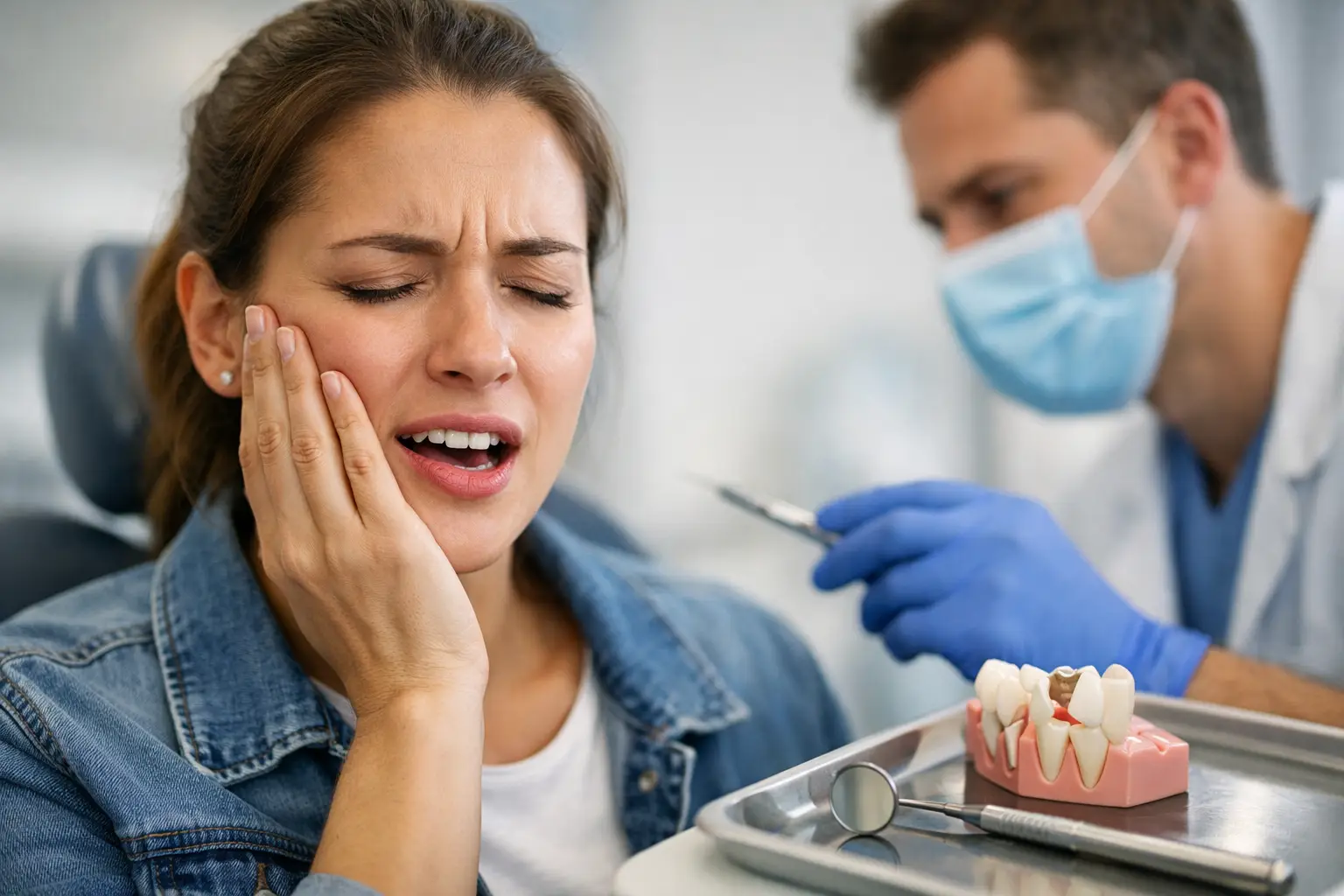
A broken tooth rarely happens at a convenient time. It might start with a hard bite at dinner, a fall during the weekend, or a sudden crack that turns into sharp pain by bedtime. If you need an emergency dentist for broken tooth damage, quick care matters – not just for comfort, but for protecting the tooth, preventing infection, and giving you the best chance of a lasting repair.
Some broken teeth look minor at first. A small chip may not bleed, and the pain may come and go. But even a fracture that seems manageable can expose sensitive inner layers of the tooth or weaken the structure enough to worsen with normal chewing. That is why it helps to treat a broken tooth as urgent until a dentist can examine it.
When a broken tooth is a true dental emergency
Not every chip requires a same-hour visit, but some situations should be seen as soon as possible. If the tooth is causing significant pain, bleeding, swelling, or sensitivity that feels intense or sudden, it is no longer just a cosmetic issue. A break that exposes the nerve can quickly become extremely uncomfortable. A break near the gumline can also make the tooth less stable.
A broken tooth is more likely to need emergency treatment if part of the tooth has come off, the damage happened after trauma, you cannot bite down normally, or the area feels sharp enough to cut your cheek or tongue. If the face is swelling, there is a bad taste in your mouth, or the tooth has changed color after the injury, those are signs that deeper damage may be involved.
For children and adults alike, timing matters. The earlier a dentist evaluates the injury, the more treatment options may be available.
What to do before you see an emergency dentist for broken tooth care
The first step is simple – do not keep testing the tooth. Many patients instinctively tap it with their tongue or try chewing on the other side to see how bad it is. That can make a crack worse.
Rinse gently with warm water to clean the area. If there is bleeding, apply light pressure with clean gauze. A cold compress on the outside of the cheek can help reduce swelling and ease discomfort. If you find a piece of the tooth, save it and bring it with you, even if it seems small.
Try to avoid hot drinks, very cold foods, hard foods, and sticky foods until you have been seen. If the edge is sharp, dental wax from a pharmacy can sometimes cover it temporarily. Over-the-counter pain relief may help, but it should not replace prompt evaluation.
What you should not do is just as important. Do not use household glue. Do not place aspirin directly on the gums. And do not assume that if the pain fades, the problem has solved itself. A damaged tooth can stop hurting and still need treatment.
How dentists evaluate a broken tooth
A proper exam does more than confirm that the tooth is chipped or cracked. Your dentist needs to understand how deep the damage goes, whether the root is involved, and whether the surrounding bone or gum tissue was affected too.
That usually starts with a visual exam and digital imaging. In some cases, the fracture is easy to see. In others, the real concern is below the surface. A tooth can have a small visible break but a deeper crack line that changes the treatment plan completely.
This is where honest communication matters. Patients are often worried they will be told they need the most extensive option right away. In reality, treatment depends on the size, location, and severity of the break. A conservative repair may be enough for one patient, while another may need a more protective restoration to save the tooth long term.
Common treatments for a broken tooth
Treatment is not one-size-fits-all. The right solution depends on what was damaged and what the tooth needs to function comfortably again.
For a small chip, smoothing and bonding may be enough. Tooth-colored bonding can restore shape and protect the area while keeping the repair natural-looking. This option often works well when the break is minor and the tooth remains structurally strong.
If a larger portion of the tooth has broken, a dental crown may be the better choice. A crown covers the visible part of the tooth and helps reinforce it, which can be especially important for back teeth that handle heavy chewing forces.
When the break reaches the pulp, where the nerve and blood supply are located, root canal treatment may be needed before the tooth is restored. Patients sometimes hear “root canal” and expect the worst, but in many cases it is the treatment that relieves pain and allows the tooth to stay in place.
There are also situations where the tooth cannot be saved. If the fracture extends too far below the gumline or splits the tooth in a way that cannot be predictably repaired, extraction may be the most responsible recommendation. That is never the first choice when a tooth is restorable, but it can be the healthiest option in severe cases.
Why waiting can make the repair more complicated
A broken tooth does not stay frozen in time. Every meal, every sip of something cold, and every clench or grind can add stress to an already damaged tooth.
What could have been treated with bonding may later require a crown. What could have been managed with a crown may later involve root canal treatment if bacteria reach the inner tooth. In more serious cases, delay can turn a repairable injury into a tooth loss problem.
There is also the issue of pain. Even if the tooth is not hurting badly now, exposed dentin can create intense sensitivity. If the nerve becomes inflamed or infected, discomfort can escalate quickly. Prompt care often means less invasive treatment and a smoother recovery.
Broken front tooth vs. broken back tooth
Front teeth and back teeth present different concerns. A broken front tooth is often immediately visible, so patients are understandably worried about appearance. The good news is that modern restorative options can often rebuild a front tooth with a very natural result, especially when treatment happens before additional damage occurs.
Back teeth are less visible, but they are under more chewing pressure. A crack in a molar may seem less urgent because it does not affect your smile, yet it can become more serious faster because of the force those teeth absorb daily. A back tooth with a structural break often needs strong protection to prevent further splitting.
In either case, comfort and function come first. The cosmetic side matters too, but saving healthy tooth structure is always the priority.
What to expect from emergency dental care
When patients come in with a broken tooth, they usually want three things right away – pain relief, clear answers, and a plan. A good emergency visit should provide all three.
Your dentist should explain what is damaged, what needs immediate attention, and whether the tooth can be permanently repaired the same day or stabilized first and completed in stages. Some cases are straightforward. Others depend on swelling, the extent of the fracture, or whether additional imaging is needed.
This is also where a comfort-first approach makes a real difference. Dental emergencies already create stress. Gentle care, clear explanations, and treatment that respects your budget and long-term goals can make the situation feel much more manageable. At Shine & Sparkle Dentistry, that kind of one-on-one attention is part of helping patients feel informed and confident, even on a difficult day.
Preventing another broken tooth
Not every broken tooth can be prevented, but some habits lower the risk. Chewing ice, opening packages with your teeth, and ignoring nighttime grinding can all lead to fractures over time. Old fillings, untreated decay, and large restorations can also leave a tooth more vulnerable.
If you play sports, a custom mouthguard can help protect your smile. If you clench or grind, a night guard may reduce repeated pressure on weakened teeth. And if you have a tooth that feels sensitive when you bite, do not wait for it to crack further before getting it checked.
A broken tooth can feel alarming, especially when pain and uncertainty hit at the same time. The reassuring part is that many teeth can be repaired successfully when care happens quickly. If something breaks, trust your instincts, protect the area, and get it looked at sooner rather than later – your future smile will thank you for it.