6505 W Park Blvd #132 Plano, TX 75093

Professional Whitening Reviews That Help You Choose
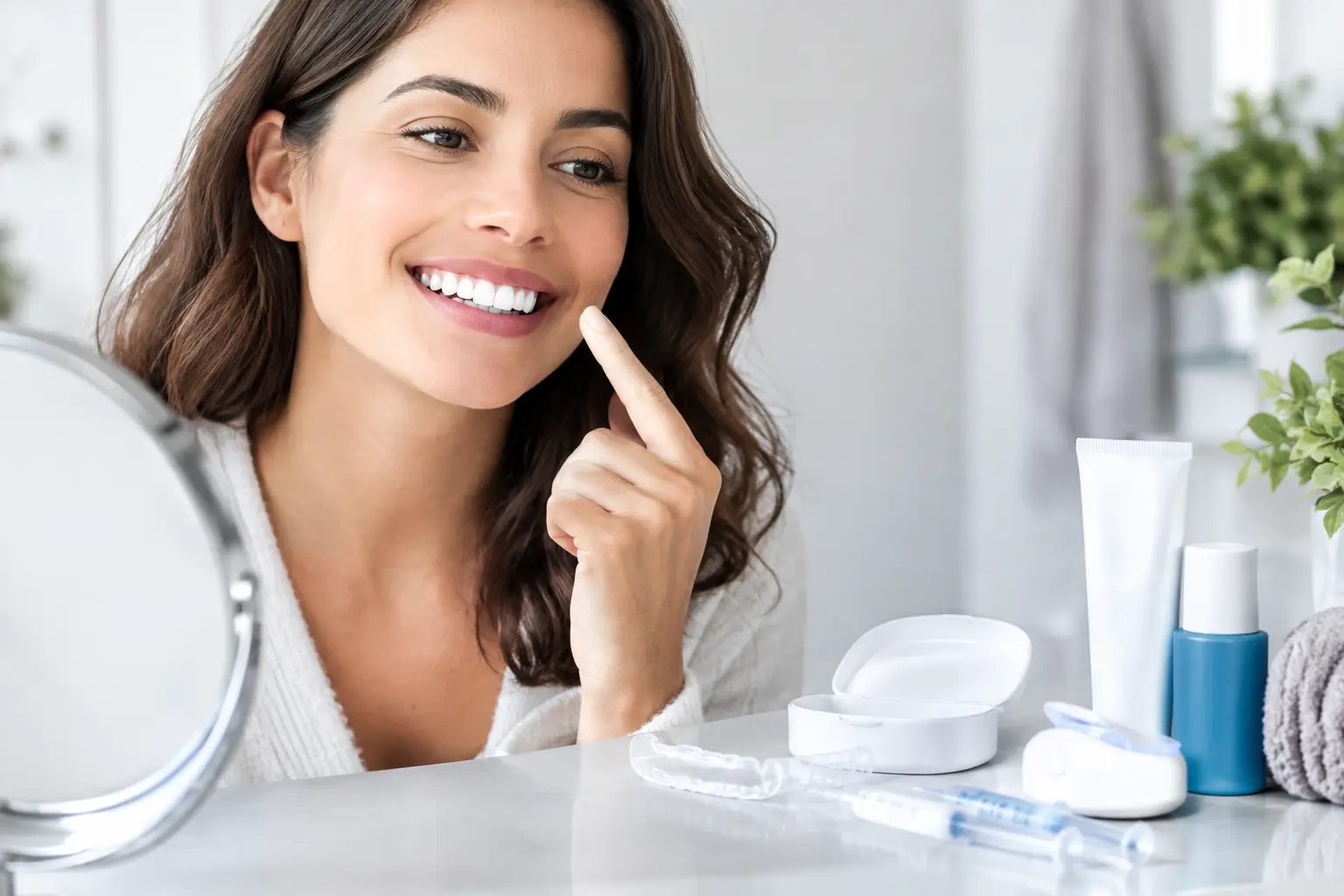
A bright smile can make a meaningful difference before a job interview, family photo, wedding, or simply a day when you want to feel more comfortable speaking up. But professional whitening reviews can be confusing. One person describes a dramatic transformation in a single visit, while another mentions sensitivity or results that seemed less noticeable than expected.
The difference is not always the treatment itself. Natural tooth color, existing dental work, the cause of discoloration, and the way whitening is planned all affect what a patient sees in the mirror. The most useful reviews do more than say whether teeth looked whiter. They reveal whether the patient felt heard, informed, comfortable, and happy with a result that looked natural for their smile.
What Professional Whitening Reviews Can Tell You
Reviews are helpful when you read them as real patient experiences, not promises. A positive review may show that a dental team explained the process clearly, checked for concerns before treatment, and helped the patient manage sensitivity. Those details often matter more than a vague statement that a treatment was “great.”
Look for comments about communication. Did the dentist discuss the patient’s starting shade and goals? Did the team explain what whitening could and could not change? Were aftercare instructions easy to follow? Cosmetic dentistry should never feel rushed or one-size-fits-all, especially when your smile is involved.
Comfort is another meaningful theme. Some patients are nervous about dental treatment in general, while others are mainly concerned about whether whitening will hurt. Professional whitening can cause temporary tooth sensitivity for some people, but a careful dentist can help assess your risk and recommend an approach that supports your comfort.
It is also worth paying attention to reviews that mention realistic expectations. Teeth naturally vary in color, and a healthy-looking result does not always mean an ultra-white result. The right shade depends on your facial features, enamel, overall smile, and personal preferences. A thoughtful provider will help you pursue a brighter smile without making it look artificial.
How to Read Professional Whitening Reviews Wisely
A five-star rating is encouraging, but it should not be the only factor in your decision. Read several reviews and look for repeated patterns. When multiple patients mention gentle care, clear explanations, clean surroundings, and confidence in the results, that provides a more reliable picture than one short comment alone.
Look for details, not just enthusiasm
Specific reviews are often more useful than broad praise. A patient who says their dentist evaluated old fillings before whitening, explained why crowns would not change color, or offered guidance for sensitivity is sharing information that reflects attentive care.
You may also see reviews from people with goals similar to yours. Someone preparing for an event may value fast results. A person with sensitive teeth may appreciate a gradual, customized whitening plan. If coffee, tea, red wine, tobacco, or aging has changed your tooth color, reviews from patients with similar concerns can be especially relevant.
Remember that every smile starts in a different place
Whitening does not work exactly the same way for everyone. Yellow-toned teeth often respond differently than gray-toned discoloration. Stains caused by food and drinks may improve more predictably than discoloration connected to certain medications, trauma, or changes within a tooth.
Reviews can make a dramatic result sound universal, but your dentist should evaluate your individual situation. A professional exam helps identify whether whitening is likely to meet your goals or whether another cosmetic option may be a better fit.
Notice how the office handles concerns
The strongest reviews do not always describe a perfectly effortless appointment. Sometimes a patient had sensitivity, an uneven area, or questions about their results. What matters is whether the dental team responded with care and a clear plan.
A trusted dental office welcomes questions before, during, and after treatment. You should feel comfortable asking how long results may last, what you can do to reduce staining, and whether touch-up treatment may be appropriate later.
What a Professional Whitening Consultation Should Include
Professional whitening is more than applying a whitening gel. Before treatment begins, your dentist should examine your teeth and gums and ask about your cosmetic goals. This helps protect your oral health and gives you a more accurate idea of what whitening can accomplish.
Healthy teeth and gums are the foundation of a comfortable cosmetic experience. Cavities, cracked teeth, gum inflammation, exposed roots, or leaking restorations can make whitening uncomfortable or may need attention first. Addressing those concerns is not a delay tactic. It is part of responsible care.
Your dentist should also discuss existing dental work. Whitening products brighten natural enamel, but they do not change the color of crowns, veneers, bonding, fillings, or implants. If a visible crown is darker than surrounding teeth, whitening natural teeth may make the contrast more noticeable. In some cases, a dentist may recommend whitening first and then matching replacement cosmetic work to your updated tooth color.
At Shine & Sparkle Dentistry, cosmetic recommendations are designed around the person in the chair, not a standard shade chart. A one-on-one conversation gives you the opportunity to share what you like about your smile, what you would like to improve, and how subtle or noticeable you want the change to be.
In-Office Whitening vs. Custom Take-Home Whitening
Professional whitening may be completed in the dental office, with custom take-home trays, or through a combination of both. The best option depends on your timeline, sensitivity history, budget, and desired level of change.
In-office whitening is often appealing to patients who want to see improvement quickly. It can be a practical choice before a special event or when you prefer treatment supervised by a dental team. Results can be noticeable after one appointment, although the degree of whitening varies from person to person.
Custom take-home trays offer a more gradual process. The trays are made to fit your teeth, which helps place whitening gel where it belongs and can be more comfortable than generic trays. This option may suit patients who prefer to whiten at home on their own schedule or who want a controlled approach to managing sensitivity.
Neither approach is automatically better. A fast treatment is not always the right answer for someone with highly sensitive teeth, and a gradual treatment may not fit a tight deadline. A dentist who explains both options honestly is helping you make a confident choice rather than pushing a single service.
Questions Worth Asking Before You Whiten
Before scheduling whitening, ask what type of discoloration you have and what level of improvement is realistic. Ask whether any dental work could affect the final appearance, whether you are likely to experience sensitivity, and what steps can be taken if sensitivity occurs.
It is also reasonable to ask about the full cost of treatment, including any custom trays, whitening gel, follow-up care, or future touch-ups. Affordable care should still be clear care. Knowing what is included helps prevent surprises and lets you compare options fairly.
Finally, ask how to maintain your results. Whitening is not permanent because teeth are exposed to staining foods and drinks over time. Regular cleanings, good brushing and flossing habits, and occasional touch-ups can help preserve a brighter shade. Your dentist can offer recommendations based on your habits and the whitening method you choose.
When Whitening May Not Be the Best First Step
Sometimes a brighter smile begins with something other than whitening. If surface buildup is making teeth look dull, a professional cleaning may make a visible difference. If you have a single dark tooth, a cavity, worn enamel, or gum recession, treating the underlying issue should come first.
Whitening may also be only one part of a larger smile plan. Patients with uneven tooth shape, chips, old visible restorations, or spacing concerns may benefit from discussing bonding, veneers, orthodontic treatment, or restorative options. There is no need to choose more treatment than you need. The goal is to find an approach that supports both the health and appearance of your smile.
Professional whitening reviews are most valuable when they lead you toward a provider who listens closely, explains your options honestly, and treats your comfort as part of the result. A brighter smile should feel like your own – just refreshed, healthy-looking, and easier to share.