6505 W Park Blvd #132 Plano, TX 75093

Do Veneers Damage Teeth? What Patients Should Know
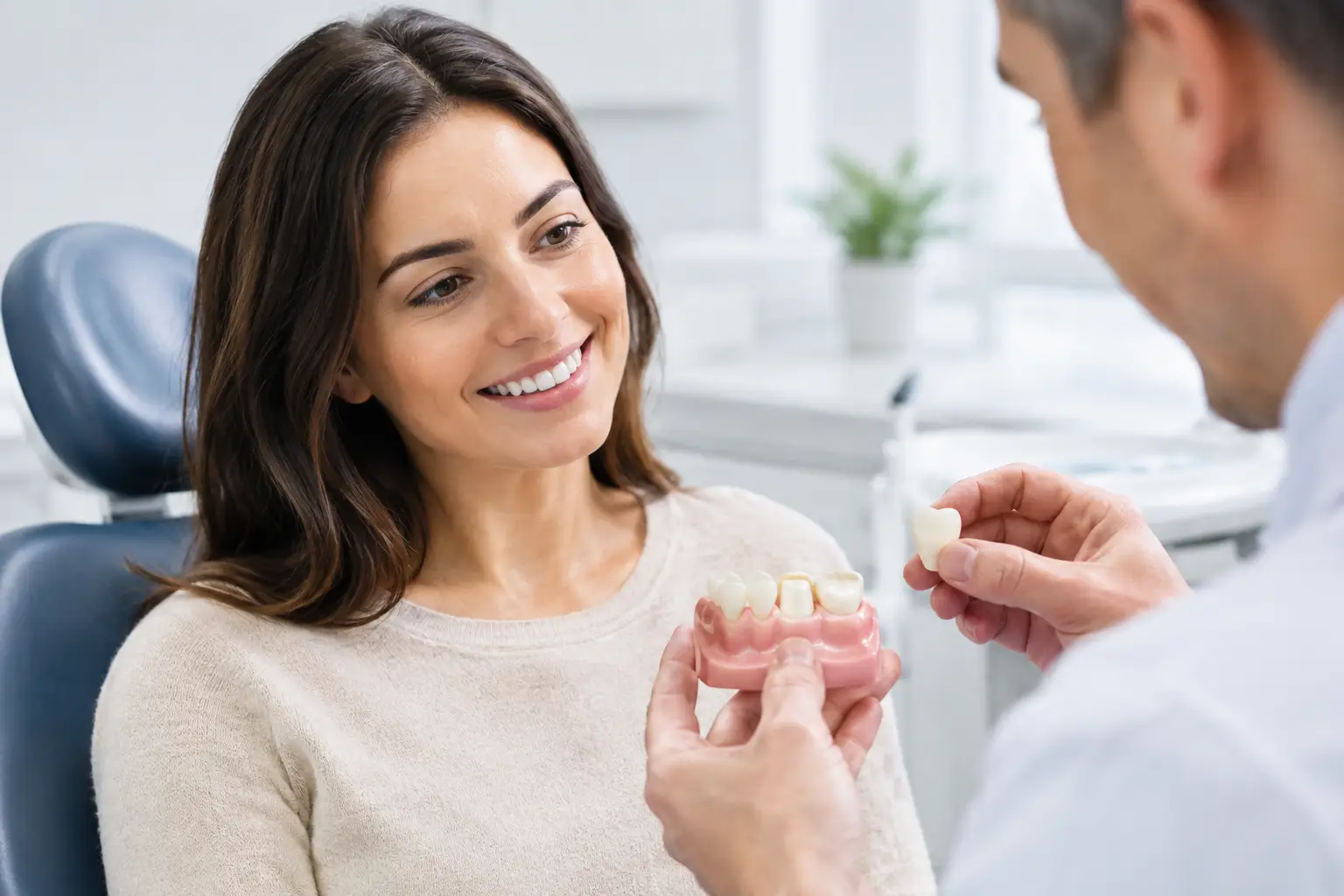
A brighter, more even smile can feel life-changing, but it is reasonable to pause before making a permanent cosmetic decision. So, do veneers damage teeth? When veneers are carefully planned and placed on healthy teeth, they should not harm your oral health. However, traditional veneers usually require removing a small amount of enamel, which is irreversible. The quality of planning, placement, and long-term care makes a meaningful difference.
Do Veneers Damage Teeth Permanently?
Veneers do not cause damage in the same way that tooth decay, infection, or trauma can damage a tooth. A well-made veneer is a thin custom shell, often porcelain, bonded to the front surface of a tooth to improve its color, shape, size, or alignment. It can protect the prepared front surface from everyday wear while creating a natural-looking smile.
The part that deserves an honest conversation is tooth preparation. To create room for a veneer that looks natural instead of bulky, a dentist may remove a thin layer of enamel. Enamel does not grow back. Once a tooth has been prepared for a traditional veneer, it will generally need to remain covered with a veneer or another restoration in the future.
That does not mean veneers are a poor choice. It means they are a long-term commitment, not a temporary beauty treatment. For the right person, the benefits can be substantial: a more balanced smile, improved confidence, and a durable solution for teeth with stubborn discoloration, small chips, uneven edges, or minor gaps.
What Can Go Wrong With Veneers?
Problems are uncommon when veneers are designed, bonded, and maintained properly, but no dental treatment is risk-free. The greatest concern is not the veneer itself. It is placing one without addressing the condition of the tooth, gums, or bite first.
Decay can still form around a veneer
A veneer covers the front of a tooth, not every surface. The edges where the veneer meets the natural tooth can still collect plaque if brushing and flossing are inconsistent. Cavities can develop at these margins, particularly if a veneer has a rough edge, a small gap, or has begun to loosen over time.
This is why veneers are not a substitute for routine preventive care. Daily brushing with fluoride toothpaste, flossing, and regular dental cleanings remain essential. Healthy gums also matter because gum recession can expose the veneer margin and change how the smile looks.
A poor fit can irritate gums or affect your bite
Veneers should be individualized to your teeth, facial features, gumline, and bite. A veneer that is too thick, too long, or poorly contoured can feel unnatural, trap food, irritate the gums, or alter the way teeth come together. Over time, bite issues can contribute to chipping, jaw discomfort, or excessive wear on other teeth.
Careful cosmetic planning helps avoid a one-size-fits-all appearance. A dentist should evaluate your bite and discuss the shape, shade, and overall result before any irreversible preparation begins.
Grinding can chip teeth or veneers
People who clench or grind their teeth may still be candidates for veneers, but they need a thoughtful plan. The forces created by nighttime grinding can crack porcelain, damage bonding, or wear down natural teeth. A custom nightguard is often recommended to protect the investment and reduce stress on the teeth.
If grinding is severe or related to an unbalanced bite, treating that issue first may be the safer path. It is better to protect the foundation of your smile than to rush into a cosmetic treatment that may not last as intended.
Sensitivity is possible after preparation
Some patients notice temporary sensitivity to cold or pressure after their teeth are prepared. This usually improves as the teeth settle and the final veneers are bonded. In rare cases, a tooth may already have a deep crack, large filling, or weakened nerve that becomes symptomatic after treatment.
A thorough exam and X-rays help identify concerns before cosmetic work begins. If a tooth needs a filling, root canal treatment, or crown for health reasons, that should be discussed openly rather than covered up with a veneer.
How Much Enamel Is Removed for Veneers?
The amount varies. Traditional porcelain veneers often require a small reduction of enamel from the front surface, sometimes around the thickness of the porcelain being placed. Certain cases may require minimal preparation, while others need more adjustment to correct a prominent tooth, significant discoloration, or an uneven position.
No-prep or minimal-prep veneers can be an option for select patients, especially when there is enough space to add material without making teeth appear too large. They are not automatically better for everyone. If a tooth is already prominent, placing a veneer without preparation may create a bulky result or interfere with the bite.
The safest approach is conservative dentistry. Your dentist should preserve as much healthy tooth structure as possible while still creating a result that fits comfortably and looks like it belongs in your smile.
When Veneers May Not Be the Best Choice
Veneers work beautifully for many cosmetic concerns, but they are not the answer to every smile goal. If your main concern is tooth color and your enamel is otherwise healthy, professional whitening may be a more conservative starting point. Whitening does not change tooth shape, but it can create a noticeable improvement without removing enamel.
Orthodontic treatment may be more appropriate when teeth are significantly crowded, rotated, or spaced. Moving teeth into a healthier position can improve both appearance and cleaning access. Minor bonding may be suitable for a small chip or isolated gap, although composite material typically does not resist staining and wear as long as porcelain.
Veneers may also need to wait if you have active gum disease, untreated cavities, poor oral hygiene, or uncontrolled grinding. Cosmetic treatment lasts best when it begins with a healthy mouth. A trustworthy dentist will explain when waiting or choosing another option protects you better.
How Long Do Veneers Last?
Porcelain veneers can last for many years, often a decade or longer, with good care. Their lifespan depends on the material, bonding technique, bite forces, oral hygiene, and everyday habits. Veneers are durable, but they are not indestructible.
Avoid using your teeth to open packages, bite hard objects, or hold items in place. If you enjoy hard candy, ice, or chewing on pens, changing those habits can help prevent chips. Regular exams allow your dentist to check the edges, polish minor surface wear, and catch any concerns while they are still small.
Eventually, veneers may need replacement because of wear, fracture, gum changes, or changes in the surrounding teeth. Since the underlying tooth was prepared, replacement is a normal part of the long-term commitment. Planning for future maintenance is one reason an upfront, transparent conversation matters.
Questions to Ask Before Choosing Veneers
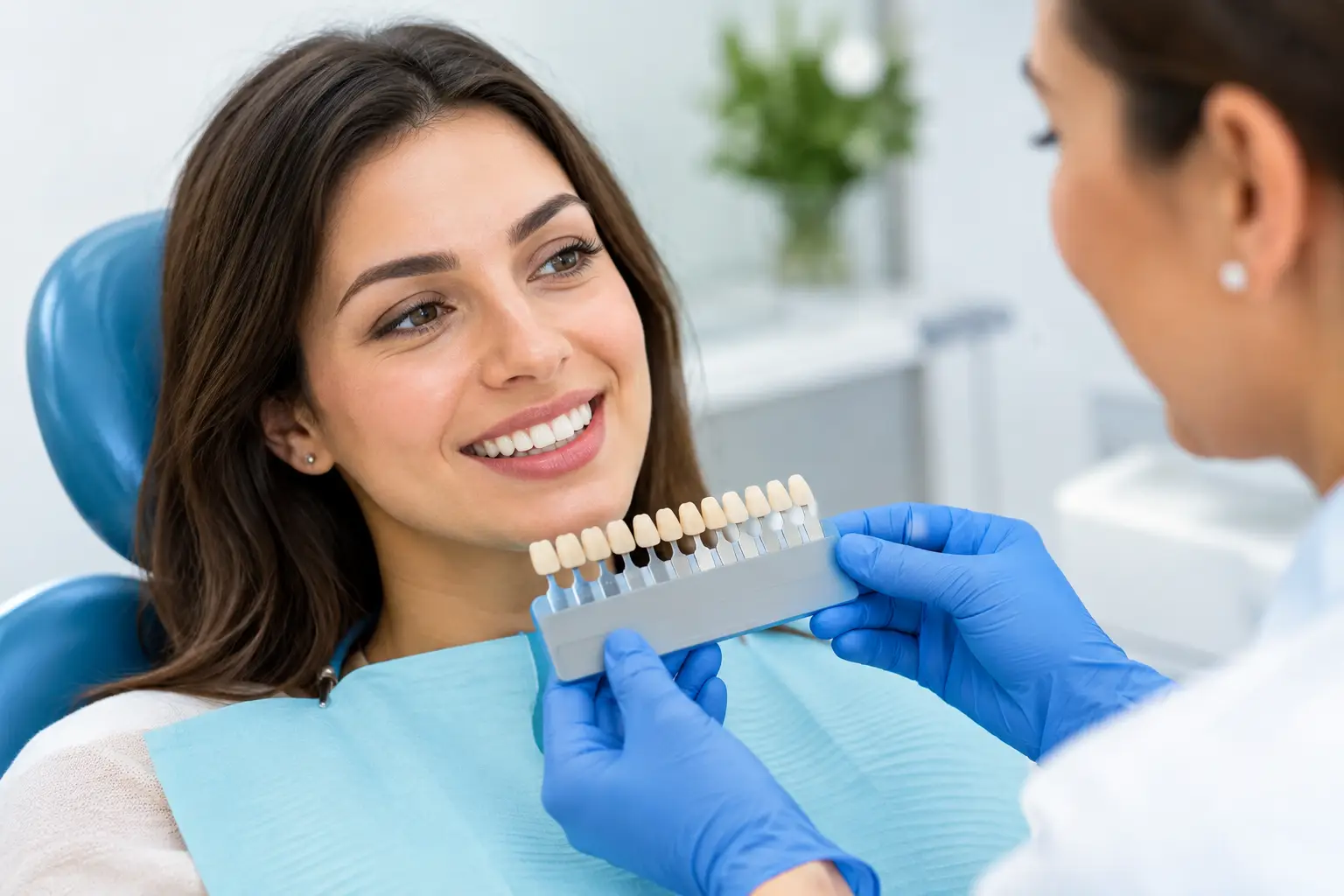
A cosmetic consultation should leave you feeling informed and confident, not pressured. Ask whether your teeth and gums are healthy enough for veneers, how much enamel will need to be removed, and whether there are less invasive alternatives for your goals. It is also helpful to ask how your bite and any grinding habits will be managed.
You should understand what the final result may look like, what happens if a veneer chips or comes loose, and what ongoing care will be needed. Clear answers are a sign that your treatment plan is being built around your needs rather than a standard cosmetic package.
At Shine & Sparkle Dentistry, personalized cosmetic care starts with listening to what you would like to change and protecting what is already healthy. The right veneer treatment should never feel like a shortcut. It should feel like a carefully considered step toward a smile you are comfortable sharing every day.