6505 W Park Blvd #132 Plano, TX 75093

Does Teeth Whitening Hurt? A Calm, Clear Answer
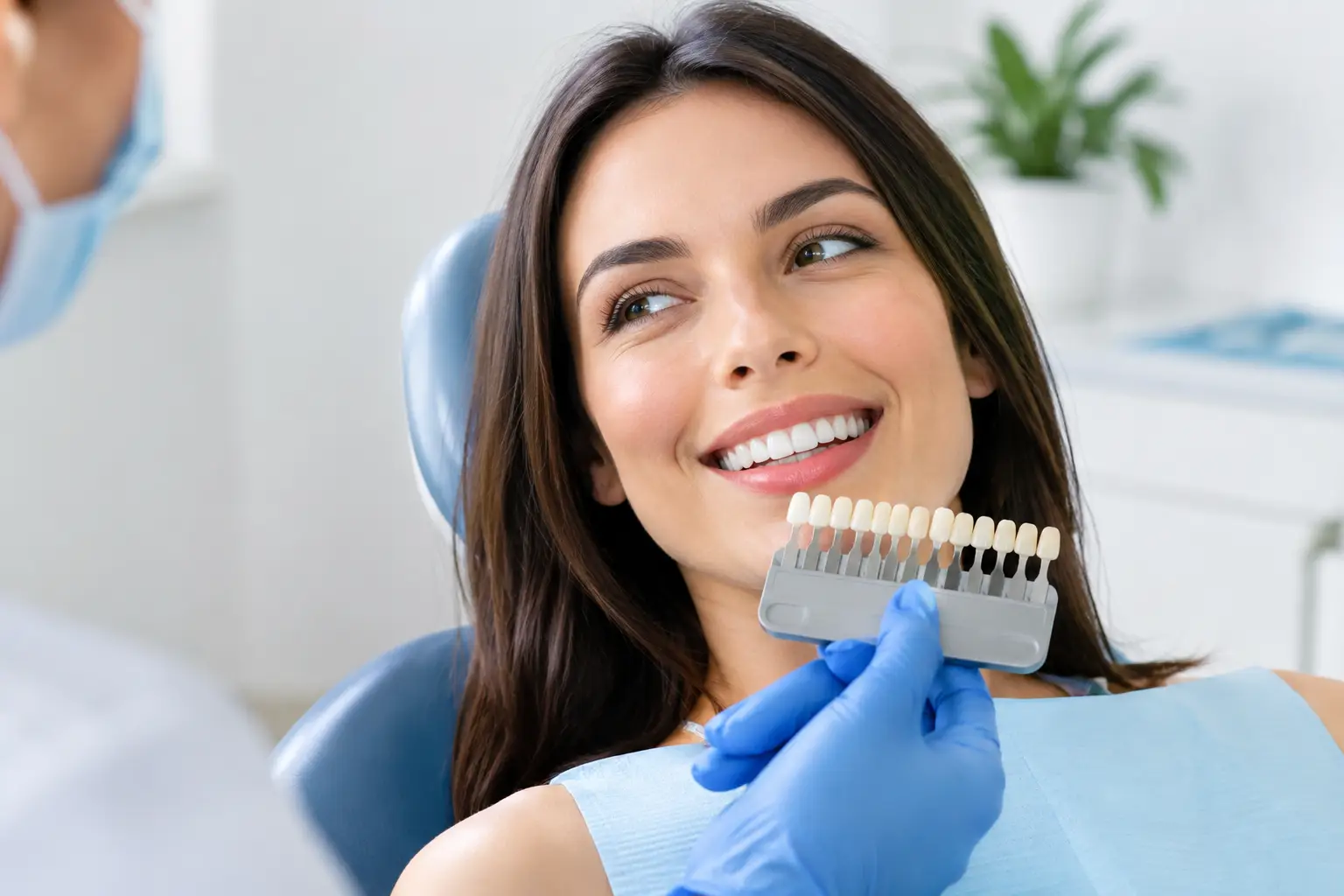
A brighter smile should feel exciting, not intimidating. If you have been wondering, does teeth whitening hurt, the honest answer is that some people experience temporary tooth sensitivity or mild gum irritation, while many feel little to no discomfort. The difference often comes down to your starting oral health, the whitening method used, and whether the treatment is tailored to your smile.
At Shine & Sparkle Dentistry, we believe you should feel informed and confident before choosing any cosmetic treatment. Whitening can be a safe, comfortable way to refresh your smile when it is planned with your dental needs in mind.
Does Teeth Whitening Hurt During Treatment?
Professional teeth whitening does not typically cause sharp pain during the appointment. Most patients describe the sensation as brief sensitivity, a cool feeling, or an occasional mild zing in one or more teeth. This can happen while the whitening gel is working or later that day.
Whitening products use peroxide-based ingredients to break apart stains below the surface of enamel. The process can temporarily irritate the inner part of a tooth, called the pulp, especially when the enamel is naturally thinner or the tooth already has sensitivity. It does not mean the treatment has damaged your teeth, but it is a sign that your teeth may need a gentler approach.
Sensitivity is usually short-lived. For many patients, it fades within a few hours to a couple of days after treatment. A dentist can adjust the strength of the whitening gel, the length of each application, and the overall treatment schedule to help keep you comfortable.
Why Whitening Feels Different for Every Smile
Two people can use the same whitening product and have very different experiences. Your teeth are not identical in thickness, health, or sensitivity, so there is no one-size-fits-all answer.
Existing sensitivity is one of the biggest factors. If cold drinks, sweets, or brushing already make your teeth twinge, whitening may make that feeling more noticeable for a short time. Receding gums can also expose parts of the tooth that are more sensitive than enamel.
Cavities, cracked teeth, worn enamel, leaking fillings, and gum inflammation can create sensitivity that whitening will not fix. In fact, placing whitening gel on teeth with untreated dental concerns may make discomfort worse. This is why a dental exam matters before beginning treatment. It helps identify whether the sensitivity is truly related to whitening or whether your smile needs care first.
The kind of staining you have also matters. Yellow-toned stains often respond well to whitening. Gray, brown, or medication-related discoloration can be more complex and may require a different cosmetic plan. A professional assessment helps set realistic expectations without pushing your teeth past a comfortable limit.
Professional Whitening vs. Store-Bought Options
Over-the-counter strips, trays, pens, and toothpastes can be convenient, but convenience is not always the same as comfort or effectiveness. Products purchased without a dental evaluation may not fit your teeth well, may contact the gums, or may be used longer than recommended in hopes of faster results.
Professional whitening allows for a more personalized experience. Your dentist can check for issues that should be addressed first, protect your gums, and select an approach that matches your goals and sensitivity level. Custom trays, when recommended, can help keep whitening gel where it belongs rather than spreading onto gum tissue.
That does not mean every professional treatment feels exactly the same. In-office whitening may create faster, more noticeable results, but a slower at-home plan supervised by your dentist may be better for someone with sensitive teeth. The right choice depends on your timeline, the degree of discoloration, your dental history, and how your teeth respond along the way.
Whitening toothpaste is another category to understand. Most whitening toothpastes primarily remove surface stains through gentle abrasives rather than changing the internal color of teeth. They may be useful for maintaining results, but aggressive brushing or a highly abrasive formula can contribute to sensitivity or enamel wear over time.
How to Reduce Teeth Whitening Sensitivity
If you are concerned about discomfort, do not assume you have to give up on a brighter smile. Small adjustments can make a meaningful difference.
First, tell your dentist if you have ever experienced sensitivity with whitening, cold foods, or dental treatment. That information makes it easier to create a comfortable plan from the start. Your dentist may recommend a desensitizing toothpaste before and after whitening, shorter sessions, fewer applications, or breaks between treatments.
Avoid using more gel or whitening more often than instructed. More product does not always produce better results, and it can increase irritation. If you are using trays, clean away any excess gel that reaches the gums. If your gums look white, feel sore, or become irritated, stop using the product and contact your dental office for guidance.
For a day or two after whitening, it can also help to limit very cold or very hot foods and drinks if your teeth are reacting. Use a soft-bristled toothbrush and brush gently. Sensitive teeth often benefit from a careful routine rather than a harsh one.
A short pause can be the right answer when sensitivity occurs. Whitening is cosmetic, not an emergency. Taking a break and restarting with a modified plan is often more comfortable than trying to push through discomfort.
What Is Normal After Whitening, and What Is Not?
Mild, temporary sensitivity is common. A quick twinge when breathing in cool air or sipping something cold can be normal after whitening, particularly within the first 24 to 48 hours. Mild gum tenderness can also occur if whitening gel touches the soft tissue.
Persistent, intense, or throbbing pain is not something to ignore. Contact your dentist if pain lasts more than a couple of days, disrupts sleep, occurs without a trigger, or seems focused on a single tooth. These symptoms may point to a cavity, crack, exposed root, or another concern that needs attention beyond whitening.
You should also call if you develop significant gum swelling, burning, blisters, or sores. Stop using an at-home whitening product until you receive professional advice. A caring dental team would rather help you protect your oral health than have you continue a treatment that does not feel right.
Who Should Wait Before Whitening?
Whitening is not the first step for every patient. It is best to postpone treatment if you have untreated decay, active gum disease, tooth pain, significant enamel erosion, or a dental emergency. Addressing these concerns first can protect your comfort and help your whitening results look more even.
Pregnant or breastfeeding patients should discuss the timing of cosmetic whitening with their healthcare and dental providers. Young patients may also need to wait, since teeth and oral development should be considered carefully.
It is also helpful to know that whitening does not change the color of crowns, veneers, bonding, or fillings. If you have visible dental work, your dentist can explain how to plan your treatment so the final shade looks natural and balanced. Sometimes whitening natural teeth first makes it easier to match new cosmetic restorations afterward.
A Comfortable Whitening Plan Starts With Honest Guidance
The best whitening plan is not necessarily the strongest or fastest one. It is the one that improves your smile while respecting your teeth, gums, and comfort level. A personalized exam can reveal what is causing discoloration, whether sensitivity needs attention, and which option fits your goals.
If you have put off whitening because you are worried it will hurt, bring that concern to your dental visit. With a gentle touch, careful planning, and the freedom to adjust treatment as needed, a brighter smile can feel like a positive change rather than something you have to endure.