6505 W Park Blvd #132 Plano, TX 75093

Can Cavities Spread From Tooth to Tooth Easily?
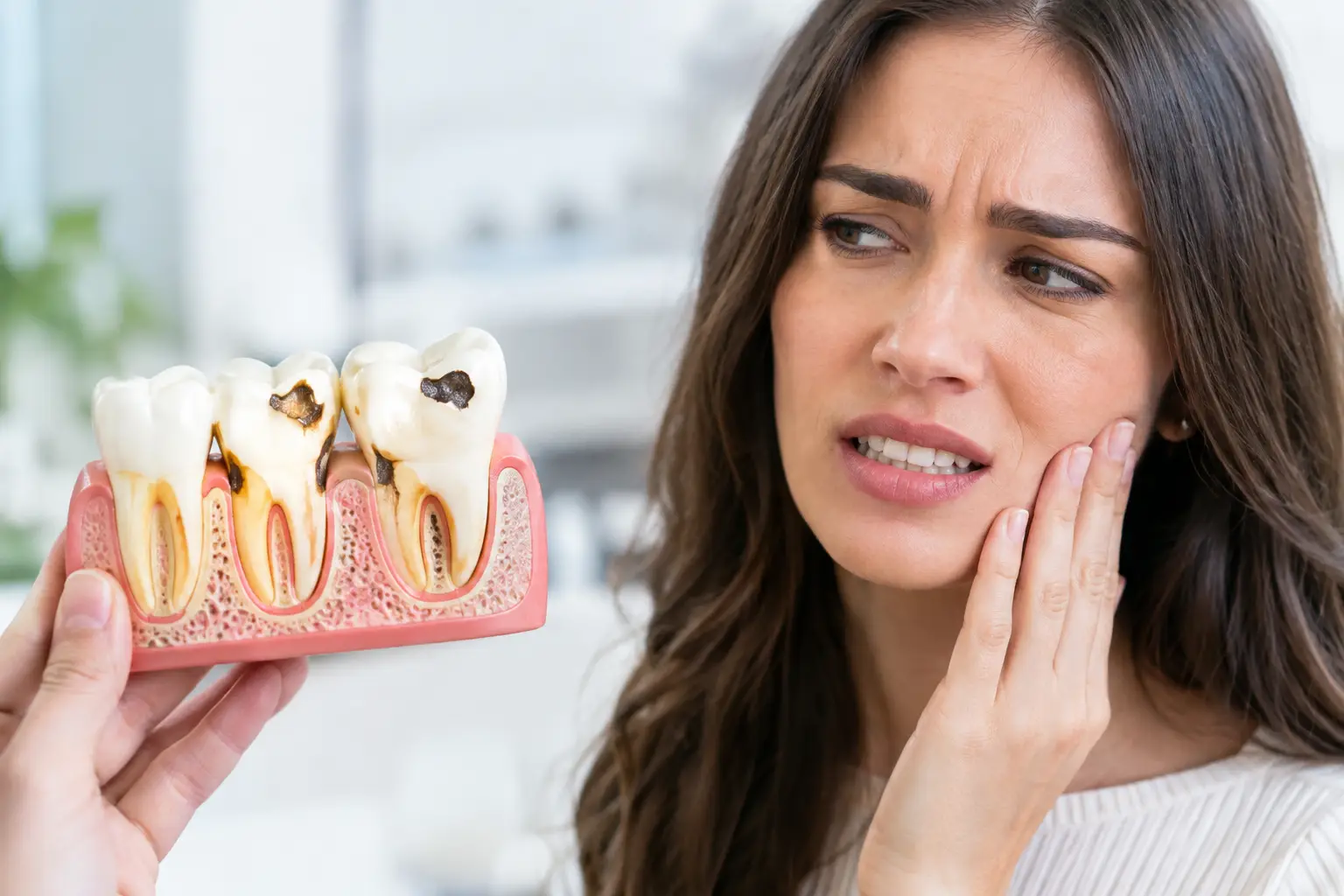
A cavity can start as a tiny weak spot in enamel and become a source of real discomfort surprisingly quickly. So, can cavities spread? The hole itself does not jump from one tooth to another, but the bacteria and conditions that caused it can affect nearby teeth, other areas of your mouth, and even other people through saliva.
That distinction matters because it changes what you do next. If you have been told you have a small cavity, treating it promptly is not just about saving one tooth. It is also about lowering the bacterial burden in your mouth and protecting the healthy teeth around it.
Can Cavities Spread to Other Teeth?
Cavities are caused by tooth decay. Certain bacteria in dental plaque feed on sugars and starches left on your teeth, producing acids that gradually weaken enamel. Once enamel breaks down, a cavity forms.
The cavity itself cannot travel. However, the same bacteria can collect in the grooves, between the teeth, and along the gumline of other teeth. If brushing, flossing, fluoride exposure, and regular cleanings do not keep that plaque under control, new cavities can develop in those areas.
This is why people sometimes feel as though a cavity has “spread.” A dentist may find decay in the tooth next to the original cavity, especially where the two teeth touch. Those surfaces can be difficult to clean well with brushing alone, making daily flossing especially valuable.
A cavity can also grow deeper within the same tooth. What begins in the outer enamel may move into the softer dentin underneath. From there, decay can reach the pulp, where the tooth’s nerve and blood supply are located. At that point, pain, infection, and more extensive treatment become more likely.
Why Untreated Decay Can Affect Your Whole Smile
Decay rarely improves on its own. Early enamel damage may sometimes be strengthened with fluoride and careful home care before a true hole forms. But once there is a cavity, the damaged tooth structure cannot grow back. A filling is usually needed to remove the decay and restore the tooth.
Waiting may seem reasonable if the tooth does not hurt, but cavities are often quiet in their early stages. By the time you feel sharp sensitivity, lingering pain, or discomfort when chewing, the decay may be much deeper than it first appeared.
An untreated cavity can lead to a cracked or weakened tooth, a dental abscess, gum swelling, or infection around the root. Depending on how much healthy tooth remains, treatment may progress from a simple filling to a crown, root canal treatment, or extraction. Early care is generally gentler, faster, and more affordable than waiting for an emergency.
For parents, this is also a reminder that children need regular dental visits even when they are not complaining of pain. Kids may not recognize or explain sensitivity, and decay can move quickly in baby teeth because their enamel is thinner.
Can Cavity Bacteria Spread Through Saliva?
The bacteria associated with cavities can be transferred through saliva. Sharing utensils, tasting food from the same spoon, putting a pacifier in an adult’s mouth before giving it to a child, or kissing can all create opportunities for bacteria to pass between people.
That does not mean a single kiss causes a cavity. Cavities form through a combination of bacteria, frequent sugar exposure, dry mouth, limited fluoride, oral hygiene habits, tooth shape, and time. Still, lowering the amount of cavity-causing bacteria in a parent or caregiver’s mouth can support a child’s long-term oral health.
If you have active decay, focus on getting it treated and maintaining consistent preventive care. Families can also reduce risk by avoiding utensil sharing when possible, drinking water after snacks, and making brushing with fluoride toothpaste part of the daily routine.
Signs You May Have a Cavity That Needs Attention
Some cavities are only visible on X-rays during a routine exam. Others create noticeable symptoms. Call your dentist if you have sensitivity to cold, heat, or sweets; pain when biting; food constantly catching in one spot; a visible dark area or hole; roughness you can feel with your tongue; or a toothache that lingers after eating or drinking.
Swelling of the face or gums, fever, a bad taste in the mouth, or severe throbbing pain can signal an infection. These symptoms deserve urgent dental attention. If facial swelling affects breathing or swallowing, seek emergency medical care right away.
It is also worth scheduling an exam if a filling falls out or a tooth chips. An opening in a tooth can collect bacteria and make decay more likely to progress.
How Dentists Stop a Cavity From Getting Worse
The right treatment depends on how far decay has progressed. During an exam, your dentist will evaluate the tooth, review X-rays when needed, and explain what is happening in clear terms. You should know what treatment is recommended, why it is needed, and what alternatives may be appropriate before moving forward.
For early enamel changes that have not formed a hole, fluoride treatment, improved home care, and regular monitoring may be enough. For a small to moderate cavity, the usual approach is to gently remove the decayed portion and place a tooth-colored filling.
When decay is larger, a crown may be recommended to protect the remaining tooth from fracture. If bacteria have reached the pulp, root canal treatment can remove infected tissue and help preserve the tooth. Every situation is different, but the goal is consistent: stop infection, restore function, and keep as much natural tooth structure as possible.
For patients who feel nervous about dental treatment, comfort matters just as much as clinical skill. A caring dental team can explain each step, check in often, and help make the visit feel manageable rather than overwhelming. At Shine & Sparkle Dentistry, personalized attention and gentle care help patients feel informed and confident about treatment decisions.
Reducing Your Risk of New Cavities
You cannot remove every oral bacterium, nor do you need to. The goal is to keep the balance in your favor by disrupting plaque before it can produce enough acid to damage your teeth.
Brush twice a day for two minutes with fluoride toothpaste, including along the gumline and the chewing surfaces of back teeth. Clean between your teeth once a day with floss or another interdental cleaner that works for you. Brushing alone cannot reliably reach the tight spaces where neighboring teeth meet.
Be mindful of how often sugary or acidic drinks and snacks are consumed. Sipping soda, sweet tea, sports drinks, or juice over several hours gives bacteria repeated fuel. It is usually kinder to your teeth to enjoy a sweet item with a meal rather than grazing on it throughout the day. Water is the best everyday choice, especially between meals.
Dry mouth can raise cavity risk because saliva helps rinse away food particles and neutralize acids. Certain medications, mouth breathing, dehydration, and some health conditions can contribute. If your mouth often feels dry, mention it at your dental visit so your care plan can account for it.
Regular checkups and professional cleanings remain one of the best ways to catch trouble early. X-rays can reveal decay between teeth before it becomes visible or painful, giving you more conservative treatment options.
When to Schedule a Dental Visit
If you suspect a cavity, do not wait for pain to prove that something is wrong. Schedule an exam when you first notice sensitivity, a rough area, discoloration, or food catching between teeth. A simple evaluation can replace uncertainty with a clear plan.
Healthy smiles are built through small, steady choices: brushing tonight, flossing the teeth that are easy to skip, choosing water, and addressing a minor concern before it becomes a major interruption. Your teeth do not need perfect care every day, but they do deserve timely, thoughtful attention.