6505 W Park Blvd #132 Plano, TX 75093

Best Options for Smile Gaps That Fit Your Smile
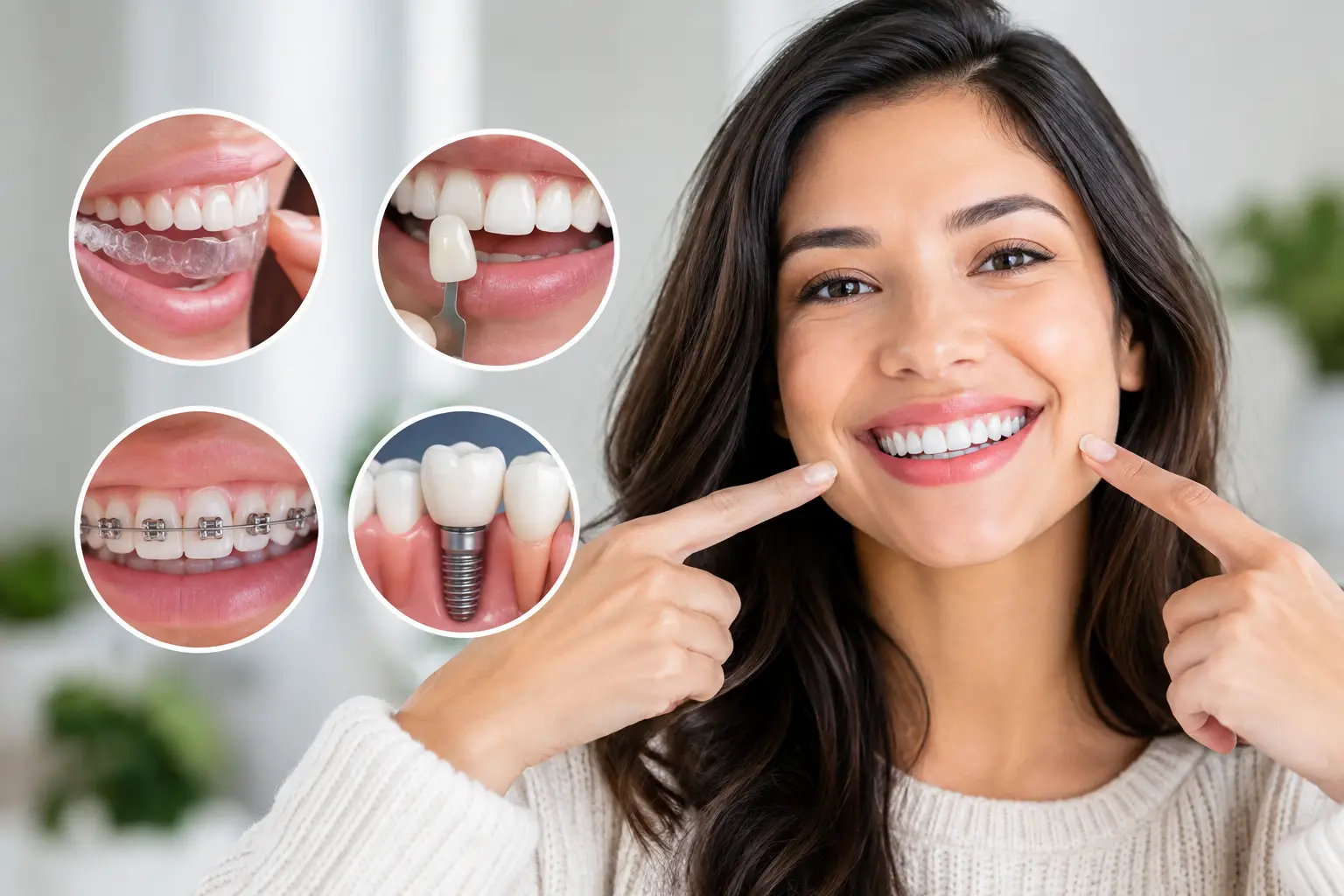
A small space between your front teeth can be a signature feature, or it can be the first thing you notice in every photo. The best options for smile gaps depend on more than the size of the space. Your bite, tooth shape, gum health, age, and long-term goals all help determine whether a simple cosmetic treatment or a more comprehensive approach will give you the healthiest, most natural-looking result.
A gap between teeth is often called a diastema. It is common, and it is not always a dental problem. Some people love the character it gives their smile. Others want to close it because they feel self-conscious, food gets caught between teeth, or the spacing is connected to a bite issue. A personal consultation is the right place to decide what fits your smile, without pressure to choose treatment you do not need.
Why Smile Gaps Happen
Smile gaps can develop for several reasons. Sometimes the teeth are simply smaller in proportion to the jaw, leaving extra room. A thick band of tissue above the upper front teeth, called a frenulum, can also contribute to spacing. Thumb-sucking habits during childhood, gum disease, missing teeth, tongue posture, and teeth that shift over time may create or widen gaps.
The cause matters because closing a space without addressing the reason behind it can lead to disappointing results. For example, a gap caused by active gum disease needs periodontal care first. A gap related to tooth movement may return after cosmetic treatment if the bite is not stable. Your dentist should look beyond the visible space and evaluate the health and function of your full smile.
Best Options for Smile Gaps
There is no single best treatment for every patient. The right option should look natural, protect your enamel when possible, and hold up to daily chewing and speaking. These are the most common solutions your dentist may discuss.
Composite Bonding for Small Cosmetic Gaps
Dental bonding is often a great choice for a narrow gap between healthy front teeth. Your dentist applies a tooth-colored composite resin to the sides of the teeth, carefully shapes it, and hardens it with a curing light. In many cases, bonding can be completed in one visit.
The appeal is easy to understand: it is conservative, affordable compared with some cosmetic treatments, and usually requires little or no removal of natural enamel. It can also improve the appearance of uneven tooth edges or slightly small teeth at the same time.
Bonding does have trade-offs. The material can stain, chip, or wear over the years, especially for patients who bite pens, chew ice, or grind their teeth. It may need polishing, repair, or replacement eventually. For a small space and a healthy bite, however, it can be a beautifully simple solution.
Porcelain Veneers for a Broader Smile Makeover
Veneers are thin shells of custom porcelain placed on the front surfaces of teeth. They can close gaps while also changing tooth color, shape, length, or symmetry. This makes veneers a strong option for someone who wants to address several cosmetic concerns in addition to spacing.
Porcelain resists staining well and can produce a very lifelike result when designed thoughtfully. The key is restraint. Veneers should complement your features and preserve a natural look, not create teeth that appear too wide or overly uniform.
Because traditional veneers usually involve some enamel preparation, they are a more permanent commitment than bonding. They also cost more and require careful planning. If you are happy with the color and shape of your teeth and only want to close a tiny space, veneers may be more treatment than necessary. But for multiple visible concerns, they can be an excellent long-term cosmetic investment.
Clear Aligners or Braces for Tooth Movement
When a gap is caused by tooth position, orthodontic treatment may be the healthiest answer. Clear aligners and braces move teeth into better alignment rather than making the teeth wider. This can improve spacing, crowding, bite balance, and overall smile symmetry at once.
Clear aligners are popular with adults and teens who want a more discreet treatment. They are removable for meals and brushing, but they only work as planned when they are worn consistently. Braces may be recommended for more complex movements, significant bite concerns, or cases where precise control is needed.
Orthodontics takes longer than bonding, but it can be the better value when a gap is part of a larger alignment issue. Retainers are essential after treatment. Teeth naturally tend to shift, and a retainer helps protect the time and care invested in your new smile.
Dental Implants for Gaps From Missing Teeth
A dental implant is not used to close a small space between two healthy teeth. It is designed to replace a missing tooth. The implant acts as an artificial tooth root, and a custom crown is placed on top to restore the appearance and function of the missing tooth.
For eligible patients, implants are one of the most complete tooth-replacement options because they support the jawbone and do not require altering neighboring teeth. Treatment does take time because the implant needs to heal and integrate with the bone. Healthy gums, sufficient bone support, and good overall health are all part of implant planning.
If the gap was left by a missing tooth, a bridge may also be considered. A bridge can restore the space more quickly in certain situations, though it often requires crowns on the adjacent teeth. An honest conversation about your goals, budget, and tooth condition helps make the decision clearer.
Crowns or Bridges When Teeth Need Restoration
Sometimes a gap appears alongside teeth that are heavily worn, cracked, misshapen, or extensively filled. In these cases, a dental crown may improve both strength and appearance. Crowns cover the entire tooth and are generally recommended when a tooth already needs structural protection, not simply as a cosmetic shortcut for healthy teeth.
A bridge may be appropriate when a missing tooth needs replacement and the neighboring teeth would benefit from crowns. Your dentist can explain whether a crown, bridge, or implant provides the most predictable result for your individual situation.
Gum Contouring and Frenulum Treatment in Select Cases
The teeth are only part of the picture. Uneven gumlines can make a gap look more noticeable, even when the spacing itself is mild. Gum contouring may improve balance in carefully selected cosmetic cases.
If a prominent upper lip frenulum is contributing to a persistent front-tooth gap, a simple procedure called a frenectomy may be part of the treatment plan. This is not necessary for every gap. It is typically considered after a careful examination, often in coordination with orthodontic treatment, to help reduce the chance of the space reopening.
Choosing the Right Treatment for Your Smile
The most attractive result is not always the fastest option. Before recommending treatment, your dental team should evaluate the amount of space, your bite, the position of the roots, gum health, enamel condition, and the proportions of your teeth. Photos, digital imaging, and X-rays can help make planning more precise.
It also helps to be clear about what you want to change. Are you focused on one small front-tooth gap? Do you want whiter, more even teeth overall? Are you noticing spaces that have recently appeared? A new or widening gap in adulthood deserves attention, particularly if you also have bleeding gums, loose teeth, or changes in your bite. Those signs can point to gum disease or other oral health concerns that should be treated promptly.
Cost and time are reasonable parts of the decision, too. Bonding is usually the quickest and least invasive cosmetic option, but it may need maintenance. Veneers offer greater cosmetic versatility but are a larger commitment. Aligners take patience and daily consistency, yet they correct the position of teeth rather than covering the issue. Implants require a longer process, but they can be the best option when a tooth is missing.
At Shine & Sparkle Dentistry, the goal is to help you feel informed and confident, whether your treatment is a small bonding appointment, orthodontic care, or a complete smile restoration. A gentle, one-on-one evaluation gives you space to ask questions and understand the benefits and limits of each choice.
You do not have to hide your smile while you sort out your options. The right treatment starts with a conversation about what feels right for you, what protects your oral health, and what will still make you smile when you see the result years from now.