6505 W Park Blvd #132 Plano, TX 75093

Crowns Versus Veneers: Know the Difference
A front tooth that is chipped, darkened, worn down, or simply out of proportion can make you think twice before smiling in photos or speaking up at work. When comparing crowns versus veneers, the right choice is not about picking the more cosmetic-looking option. It is about understanding what your tooth needs beneath the surface, then choosing a treatment that supports both your confidence and your long-term oral health.
At Shine & Sparkle Dentistry, we believe you should feel informed and confident before any treatment begins. A thoughtful exam allows us to look at the condition of the tooth, your bite, your gum health, and the smile goals that matter most to you.
Crowns versus veneers: the main difference
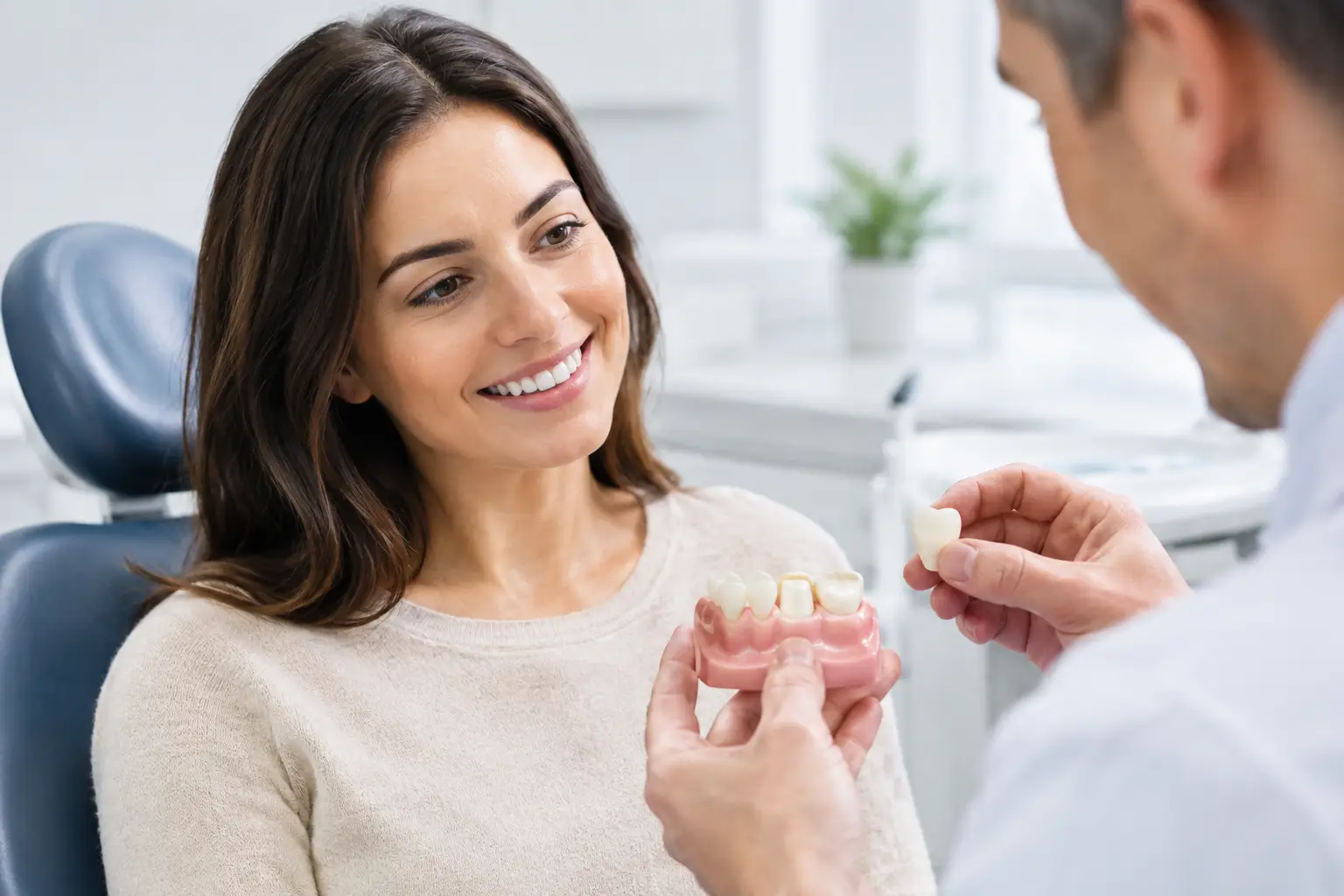
Both crowns and veneers are custom restorations designed to improve the appearance of a tooth. They can be made from beautiful, natural-looking materials and color-matched to blend with your smile. The biggest difference is how much of the tooth they cover and why they are recommended.
A veneer is a thin shell, usually porcelain, bonded to the front surface of a tooth. It is primarily a cosmetic solution for teeth that are healthy enough to remain structurally sound but need an appearance upgrade.
A crown covers the entire visible portion of a tooth above the gumline. Because it surrounds the tooth, it can restore strength as well as appearance. Crowns are often used when a tooth has a large filling, a fracture, significant decay, root canal treatment, or extensive wear.
Think of a veneer as a carefully crafted new face for a tooth. Think of a crown as a protective covering that rebuilds the tooth from all sides. Neither is automatically better. The best treatment depends on what is happening with your individual tooth.
When veneers may be the right choice
Veneers are often an excellent option for patients who want a more polished, balanced smile without needing major restorative treatment. They can address discoloration that does not respond well to whitening, small chips, minor gaps, uneven edges, or teeth that appear too short or slightly misshapen.
Because a veneer covers only the front of the tooth, less enamel is typically removed than with a full crown. That conservative approach can be appealing when the tooth is otherwise healthy. Porcelain also reflects light in a way that closely resembles natural enamel, creating a bright yet believable result.
Veneers work best when your teeth and gums are healthy and your bite does not place excessive pressure on the front teeth. If you clench or grind your teeth, we may recommend protecting veneers with a custom nightguard. A nightguard does not mean veneers are off the table, but it can be an important part of helping them last.
Veneers are not designed to fix every problem
A veneer may conceal a small chip, but it cannot make a weakened tooth strong again. If a tooth has a large fracture, substantial decay, or a failing old restoration, placing a veneer over it could leave the underlying problem unresolved. That is why an in-person evaluation matters more than choosing a treatment from photos online.
When a crown may be the better investment
Crowns are restorative and cosmetic at the same time. They are commonly recommended when the tooth needs protection from further damage. For example, a back tooth with a large filling may have thin remaining walls that could crack under chewing pressure. A crown helps hold the tooth together and restores a natural chewing surface.
A crown may also be the right choice for a front tooth that has been severely broken, weakened after root canal therapy, or discolored from within the tooth. Modern crowns can look remarkably lifelike. The goal is not a bulky or overly white result. It is a restoration that fits your face, neighboring teeth, bite, and personal preferences.
Crowns require more tooth preparation than veneers because the restoration covers every side of the tooth. That trade-off is worthwhile when protection is the priority. Preserving a tooth that might otherwise continue to crack or break is often far more conservative than waiting until extraction becomes necessary.
A crown can protect a tooth, but healthy gums still matter
Even the most beautifully made crown needs healthy gum tissue and consistent home care. Brushing twice daily, cleaning between teeth, and attending preventive visits help protect the natural tooth structure at the edge of the crown. Decay can still develop where a crown meets the tooth if plaque is allowed to build up.
Appearance, durability, and tooth preparation
Many patients assume veneers always look better than crowns. In reality, both can create attractive, natural-looking results when planned well. The material, shade selection, contour, and dentist’s attention to detail all play a role.
Veneers are often ideal when the goal is to refine the visible front surfaces of several teeth. They can create consistency in shape and color across the smile. Crowns can also be used in the smile zone, especially if individual teeth need more extensive repair. A carefully designed crown should not stand out from the teeth around it.
Durability depends on the material, the health of the supporting tooth, your bite, and your daily habits. Neither crowns nor veneers are indestructible. Chewing ice, biting fingernails, opening packages with teeth, and untreated grinding can damage natural teeth and restorations alike.
The amount of preparation is another meaningful difference. Veneers generally preserve more natural tooth structure, while crowns require greater reduction to make room for full coverage. However, preserving enamel only helps if the tooth is strong enough for a veneer in the first place. Your dentist should never recommend a minimally invasive option at the expense of a tooth’s stability.
What about cost and insurance?
Cost is a practical part of the decision, and it is reasonable to ask about it early. The total cost of crowns or veneers can vary based on the number of teeth treated, the materials selected, the complexity of your case, and whether additional care is needed first.
Dental insurance may contribute toward a crown when it is considered medically necessary to restore a damaged tooth, although coverage and limitations vary by plan. Veneers are usually considered cosmetic and are less likely to be covered. That does not mean a veneer is the wrong choice. It simply means treatment planning should include a clear conversation about your goals, budget, and expected maintenance.
Choosing solely by the initial price can create frustration later. A lower-cost option that does not adequately protect a weakened tooth may lead to more treatment. On the other hand, a full crown may be more treatment than a healthy tooth needs. Honest guidance means discussing both possibilities without pressure.
Questions to ask before deciding
Before moving forward, ask what problem the treatment is solving. Is the tooth structurally weak, or is the concern mainly cosmetic? How much healthy enamel remains? Does your bite place heavy force on that tooth? Will whitening surrounding teeth first help create a better shade match? And what can you do at home to protect your investment?
Digital imaging, photographs, and a detailed exam can make these decisions easier to understand. You deserve to see what your dentist sees and hear why one option may be safer or more predictable for your situation.
A treatment plan should feel personal
The choice between crowns and veneers is rarely a one-size-fits-all decision. Some patients benefit from veneers on healthy front teeth and a crown on a neighboring tooth that has a large old filling. Others may need to treat gum disease, decay, or bite concerns before cosmetic work begins. Addressing those foundations first helps your final result look better and last longer.
If you have been hiding a chipped, worn, or discolored tooth, you do not have to decide based on guesswork. A gentle, one-on-one consultation can clarify what will truly protect your smile and help you feel comfortable showing it again.