6505 W Park Blvd #132 Plano, TX 75093

Dental Implant Before After Example Explained
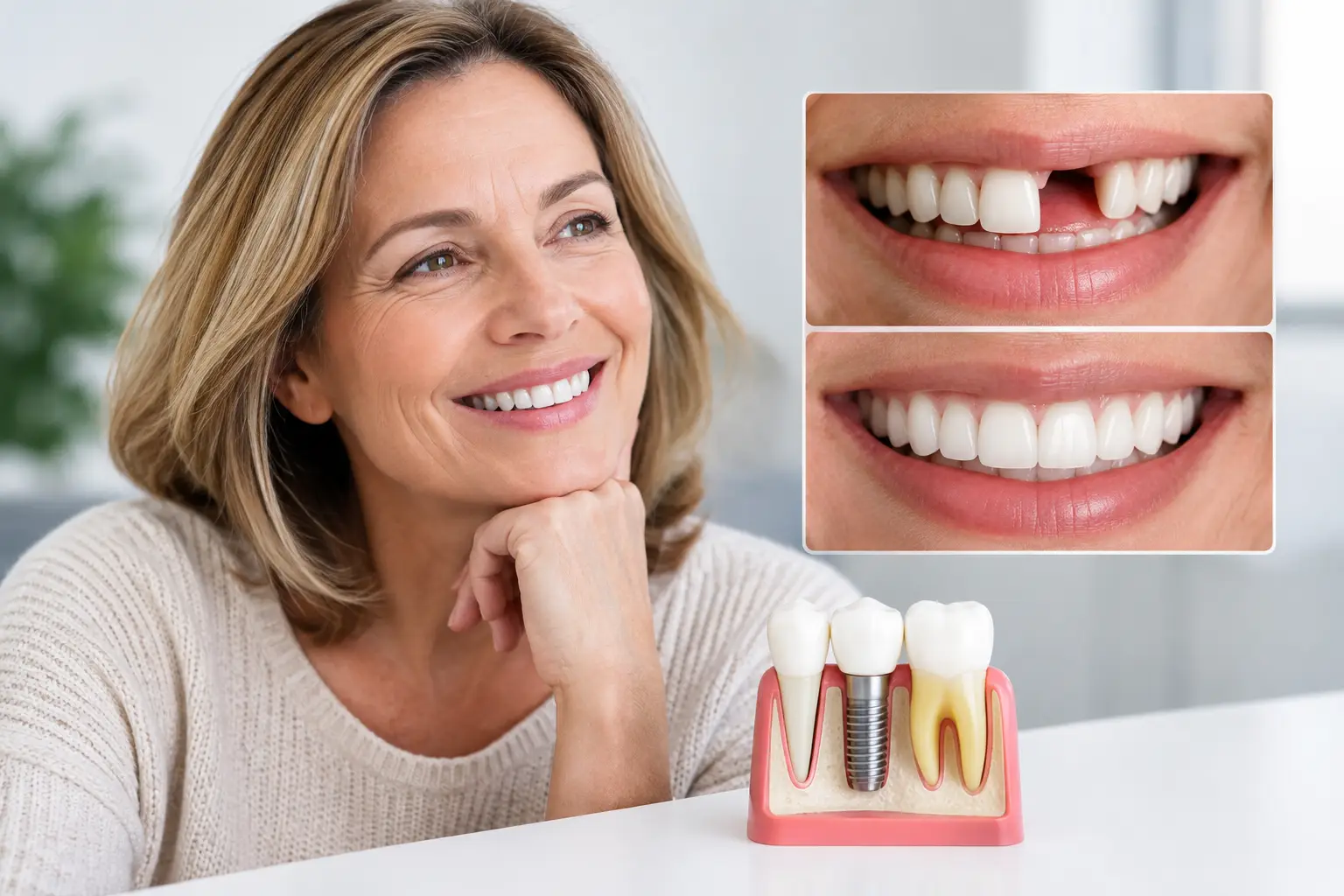
A missing tooth can change more than a photograph. It can make you chew on one side, avoid certain foods, speak more cautiously, or cover your mouth when you laugh. A dental implant before after example helps show why treatment can feel so meaningful: the goal is not simply to fill a space, but to restore a tooth that looks natural, feels secure, and supports everyday comfort.
The most impressive implant results do not look overly bright or artificial. They look like they belong in your smile. Every case is personal, however, and the timeline, treatment steps, and final appearance depend on your oral health, bone support, bite, and the location of the missing tooth.
A Dental Implant Before After Example: One Missing Front Tooth
Imagine a patient who lost an upper front tooth after a fall. Before treatment, the space is visible whenever they smile. The neighboring teeth may begin to shift slightly toward the gap, and the patient may rely on a removable temporary tooth while feeling self-conscious at work and social events.
After treatment, the gap is replaced with an implant-supported crown. The titanium implant sits in the jawbone below the gumline, acting much like a natural tooth root. Once the area has healed and the implant is stable, a custom crown is attached above the gums. The final crown is shaped and shaded to complement the surrounding teeth, so it blends with the smile rather than drawing attention to itself.
What changes in the before-and-after view? The obvious change is a complete smile. Yet patients often notice the functional difference just as much. They can bite more comfortably, speak with less concern about a removable appliance moving, and smile without planning around the missing space.
A front-tooth implant requires particularly careful planning because the gums, tooth proportions, and color match are all visible. The gumline needs to frame the crown naturally. For that reason, a dentist may recommend temporary restorations, digital imaging, or additional soft-tissue care to help create the most balanced result possible.
What You May Not See in Before-and-After Photos
A photograph can show a beautiful final crown, but it cannot show the planning behind it. Dental implants are a restorative treatment with both cosmetic and health-related goals. A thoughtful plan begins with a thorough exam, X-rays or 3D imaging when appropriate, and a discussion of what is happening below the gumline.
The dentist evaluates the bone where the implant will be placed, the health of the gums, the position of nearby teeth, and how the upper and lower teeth come together. This matters because an implant crown should not only look right. It must be designed to handle the forces of chewing without placing unhealthy pressure on the implant or adjacent teeth.
For some patients, the area has enough healthy bone for implant placement right away. For others, bone grafting may be recommended first, especially when a tooth has been missing for a long time. That can add time to the process, but it may create a stronger foundation for the restoration.
Before Treatment: Protecting the Area
The “before” stage is not always as simple as having an empty space. A tooth may need to be removed because of deep decay, a fracture below the gumline, advanced gum disease, or a failed older restoration. If infection or gum inflammation is present, those concerns need to be addressed before moving forward.
In some cases, an implant can be placed on the same day as an extraction. In others, the site needs time to heal first. Neither approach is automatically better. The right choice depends on bone quality, infection risk, cosmetic needs, and how stable the implant can be at placement.
During Treatment: Building a Stable Foundation
Implant placement is typically performed with local anesthesia, and comfort options can be discussed for patients who feel anxious. The implant itself is placed into the jawbone through a carefully planned procedure. Most patients describe recovery as manageable, often comparing it to the tenderness after a tooth extraction.
The jawbone then needs time to heal around the implant in a process called osseointegration. This is what gives an implant its stable, root-like support. Healing often takes several months, though each timeline is different.
During that period, a temporary tooth may be used where appearance is a concern. This is especially common for front teeth. Your dentist will guide you on eating, cleaning, and protecting the area while it heals.
After Treatment: The Crown Completes the Smile
Once healing is complete, the final restoration is made. A custom crown is created to fit your bite and match the color, texture, and shape of nearby teeth. The goal is a result that feels comfortable when you chew and looks consistent with your natural smile.
An implant crown does not decay like a natural tooth, but it still needs regular care. Healthy gums and bone are essential to long-term implant success. Daily brushing, cleaning around the implant as instructed, and routine dental visits help protect your investment.
A Back-Tooth Implant Before and After Can Look Different
When a back tooth is missing, the cosmetic difference may be less noticeable in a photo, but the everyday benefit can be substantial. Consider a patient missing a lower molar. Before treatment, they may avoid chewing on that side or place extra pressure on teeth on the opposite side. Over time, this can make meals less enjoyable and may contribute to shifting teeth or bite changes.
After an implant-supported crown is placed, the patient has a stable chewing surface again. The crown is designed to fit within the bite, not feel bulky or interfere with the way the teeth close. While a back-tooth implant may not transform a selfie, it can restore a comfortable part of daily life that many patients have been missing.
This is why “before and after” should not be judged by appearance alone. A successful result may mean enjoying a crisp apple, speaking without worrying about a gap, or no longer favoring one side of the mouth.
What Makes an Implant Result Look Natural?
Natural-looking implant treatment is a combination of clinical planning and artistic attention to detail. The crown should be selected for more than basic whiteness. Natural teeth have subtle variations in color, translucency, and surface texture. The size and contour of the crown also need to suit the patient’s face, smile line, and surrounding teeth.
The gums play an equally important role. Healthy gums create a natural frame around the final crown. If gum disease is active, treating it first protects both the implant and the appearance of the final restoration. Patients with a history of gum disease may still be candidates for implants, but they often need a personalized maintenance plan.
At Shine & Sparkle Dentistry, implant care is approached with the same attention given to the rest of your smile: clear explanations, careful planning, and treatment that respects both your comfort and your goals.
Is a Dental Implant Right for Every Missing Tooth?
Dental implants are an excellent option for many adults, but not every person is ready for treatment immediately. Uncontrolled gum disease, untreated infection, certain medical conditions, tobacco use, and insufficient bone can affect candidacy or require additional planning. A bridge or removable partial denture may be a better fit in some situations, particularly when time, health considerations, or budget shape the decision.
An implant is also a process, not a one-visit cosmetic fix. It requires healing time and a commitment to home care. In return, many patients value that an implant does not rely on neighboring teeth for support and can provide a stable, long-term replacement option.
The most useful before-and-after example is one that reflects your own starting point. A personal consultation can show what is possible for your smile, what steps may be needed first, and what a healthy, confident result could look like in your everyday life.