6505 W Park Blvd #132 Plano, TX 75093

Fluoride Treatment Benefits for Stronger Smiles
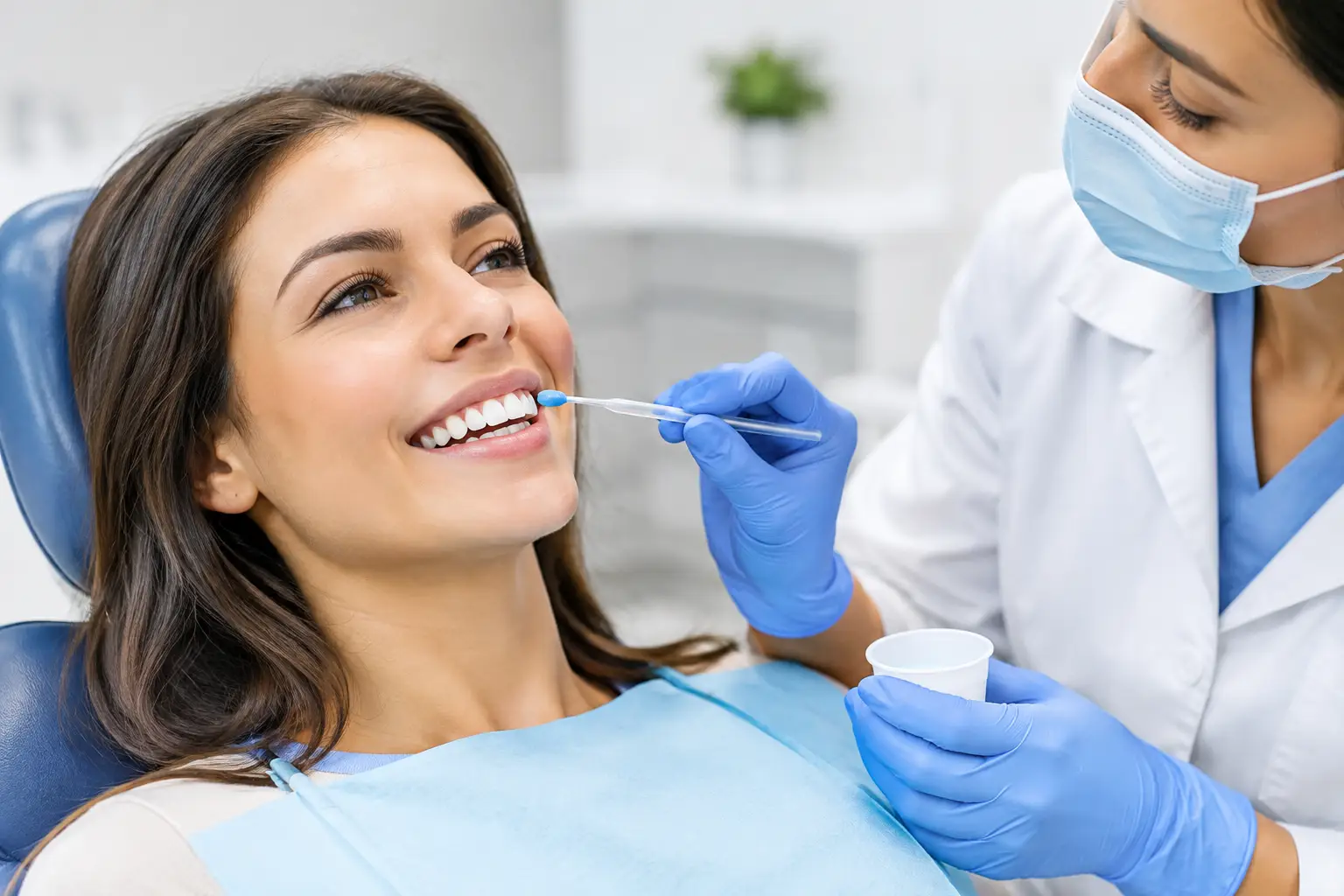
A cavity often starts quietly. There may be no pain, no visible hole, and no reason to think anything is wrong. That is why fluoride treatment benefits matter for children, teens, and adults alike: this simple preventive service helps strengthen the outer layer of teeth before decay becomes a bigger, more expensive problem.
At a routine dental visit, a professional fluoride treatment can add another layer of protection to the brushing, flossing, and healthy habits you practice at home. It is quick, gentle, and especially valuable for patients whose teeth need extra defense.
What Does Fluoride Do for Teeth?
Fluoride is a naturally occurring mineral that supports tooth enamel, the hard protective surface around each tooth. Every day, acids from bacteria, sugary foods, acidic drinks, and even normal eating can pull minerals from enamel. This process is called demineralization.
Fluoride helps enamel take in minerals again through remineralization. In practical terms, it can make teeth more resistant to the acids that lead to cavities. It may also help early areas of enamel weakness recover before they progress into visible decay.
Professional fluoride is more concentrated than the fluoride found in most toothpastes and community drinking water. During an appointment, it is typically applied as a varnish, gel, or foam. The process usually takes only a few minutes and does not require needles, drilling, or recovery time.
Key Fluoride Treatment Benefits for Families
The biggest benefit is prevention. When fluoride helps keep enamel strong, it can lower the chance of needing fillings and the more involved care that may follow untreated decay. For busy Plano families, prevention can mean fewer unexpected dental visits and more confidence that routine care is protecting everyone’s smiles.
Stronger enamel between visits
Brushing twice a day with fluoride toothpaste is an excellent foundation, but some patients benefit from an added professional application. Fluoride varnish stays in contact with teeth long enough to provide a concentrated boost, particularly in areas where plaque tends to collect, such as the grooves of back teeth and along the gumline.
This is useful for children still learning thorough brushing techniques, but it is not only for kids. Adults can develop cavities too, especially around older fillings, crowns, or exposed root surfaces.
A helpful defense against early decay
Dentists can often spot early changes in enamel before a cavity needs a filling. In those cases, fluoride may be part of a conservative plan to strengthen the tooth and monitor the area closely. It is not a substitute for treatment when decay has progressed, but it can be an effective tool when used at the right time.
This approach reflects a simple goal: preserve as much healthy tooth structure as possible. Addressing risk early is generally more comfortable, less complicated, and more affordable than waiting for pain to develop.
Protection for people with dry mouth
Saliva helps wash away food particles and neutralize acids. When saliva flow is reduced, teeth have less natural protection. Dry mouth can be linked to certain medications, medical conditions, mouth breathing, or dehydration.
Patients with dry mouth may be more vulnerable to decay, including cavities near the gumline and on the roots of teeth. A dentist may recommend fluoride treatments more often as part of a personalized prevention plan, along with hydration guidance and home-care recommendations.
Extra support during orthodontic treatment
Braces, clear aligner attachments, retainers, and other orthodontic appliances can make cleaning more challenging. Food and plaque can collect around brackets or attachments, raising the risk of white spots and cavities if brushing is inconsistent.
Fluoride treatment can provide added support while a patient is working toward a straighter smile. Good daily home care still does the heavy lifting, but professional prevention helps protect the enamel throughout treatment.
Benefits for adults with gum recession or dental work
As gums recede, tooth roots can become exposed. Root surfaces are softer than enamel and can develop decay more easily. Professional fluoride may help protect these vulnerable areas.
Patients with bridges, crowns, implants, or a history of restorative dentistry may also need focused prevention. Fluoride does not protect an implant from every issue, and it cannot repair a loose or damaged restoration. However, it can help protect the natural teeth and exposed surfaces surrounding dental work.
Who May Need Fluoride Treatments More Often?
Not every patient needs fluoride at the same interval. Your dentist will consider your cavity history, diet, oral hygiene, saliva flow, medical history, and the condition of your enamel before making a recommendation.
You may be a stronger candidate for regular professional fluoride if you have had recent cavities, frequent snacking or sugary drinks, dry mouth, gum recession, orthodontic appliances, or difficulty cleaning thoroughly. Children who are still developing brushing skills and adults with a history of decay can both benefit from closer preventive attention.
For patients at low risk for cavities, fluoride toothpaste and regular checkups may be sufficient. Honest guidance matters here. The right plan should fit your actual needs, not follow a one-size-fits-all schedule.
What to Expect During a Fluoride Appointment
A professional fluoride application is designed to be comfortable and efficient. After your cleaning or exam, the dental team may dry the teeth and brush a thin fluoride varnish onto the surfaces. The varnish sets quickly.
You may be asked to avoid brushing, flossing, hot drinks, or hard and crunchy foods for a short time afterward. Instructions vary depending on the product used, so follow the guidance given at your appointment. The coating can feel slightly different on your teeth for a few hours, but most patients return to their usual day right away.
For young children or patients with dental anxiety, the simplicity of the treatment can be reassuring. There is no need to be nervous about pain or a lengthy procedure. If you or your child has concerns, sharing them with the dental team beforehand allows for a gentler, more comfortable experience.
Is Professional Fluoride Safe?
When fluoride is used as directed by a dental professional, it is widely used and considered a safe preventive treatment for appropriate patients. The amount applied in the office is controlled, and the dental team will consider age, health history, and individual cavity risk.
Parents sometimes ask about fluorosis, a change in tooth appearance that can occur when young children receive too much fluoride while permanent teeth are developing. This is different from a carefully applied professional treatment. Still, it is a good reminder to supervise young children with toothpaste and use only the small amount recommended for their age.
If you have concerns about fluoride exposure, allergies, medications, or your child’s oral development, bring them up during the visit. A trusted dentist should explain the recommendation clearly and help you feel informed, never pressured.
Fluoride Works Best With Everyday Care
Professional fluoride is valuable, but it cannot cancel out daily habits that repeatedly expose teeth to sugar and acid. The strongest results come from pairing treatment with consistent home care: brushing twice daily with fluoride toothpaste, cleaning between teeth every day, drinking water regularly, and limiting frequent sugary snacks and beverages.
Regular exams and cleanings are equally important because they allow your dentist to identify changing risks before a small issue becomes urgent. A personalized prevention plan may include fluoride, sealants for children, guidance for dry mouth, or recommendations for products suited to your needs.
A healthy smile is built through small, steady choices. If you have noticed sensitivity, dry mouth, frequent cavities, or simply want to give your family’s teeth more protection, ask the caring team at Shine & Sparkle Dentistry whether a fluoride treatment belongs in your next preventive visit.