6505 W Park Blvd #132 Plano, TX 75093

How to Prevent Recurring Tooth Decay for Good
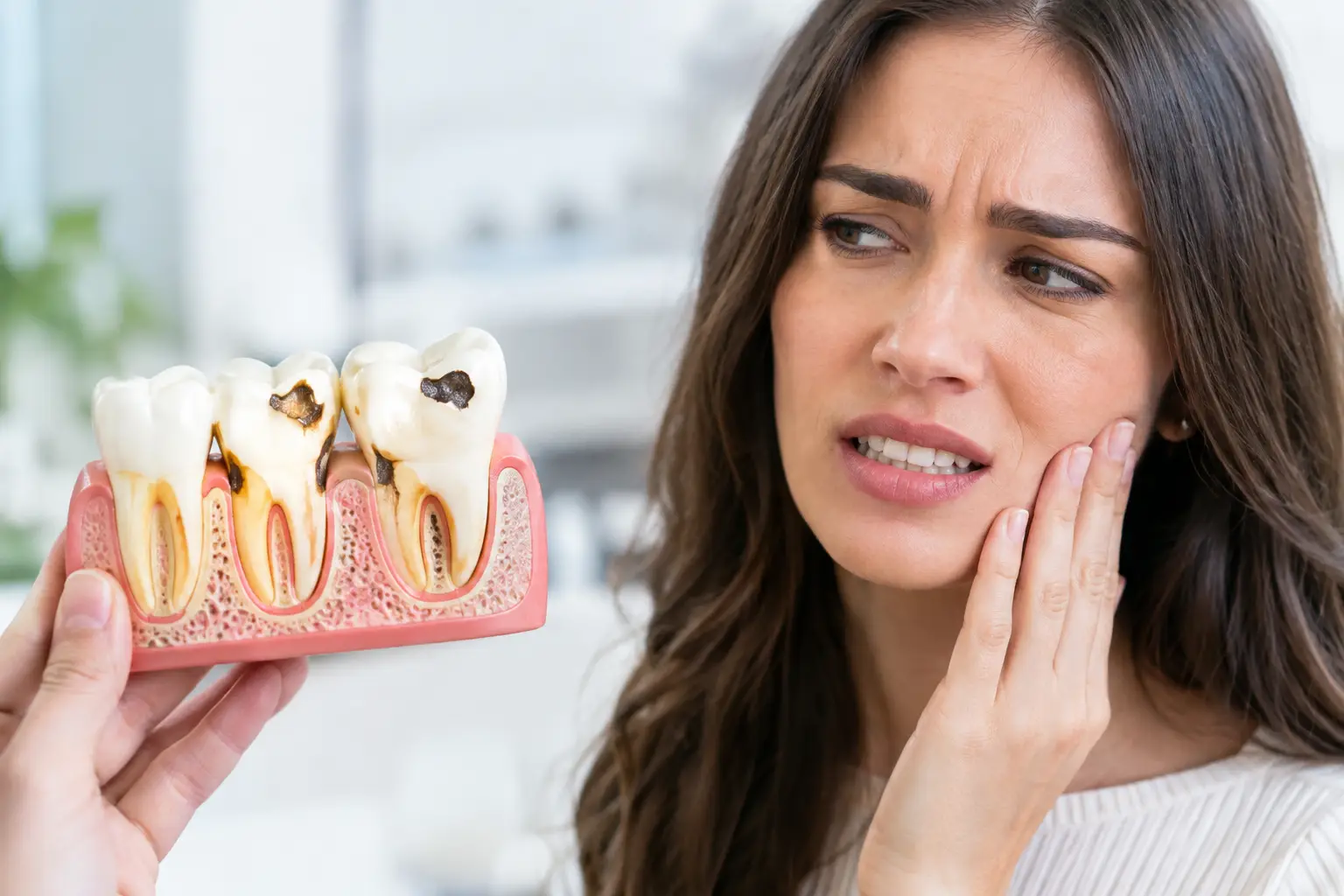
A cavity that returns near an old filling, or a new spot of decay that appears every year, can feel discouraging. The good news is that you can prevent recurring tooth decay by identifying what is feeding the cycle, strengthening daily habits, and getting care before a small concern becomes a larger repair.
Tooth decay is not simply a sign that someone is not brushing well enough. Cavities develop when bacteria in plaque use sugars and starches to create acids that weaken tooth enamel. Your risk also depends on saliva flow, the shape of your teeth, past dental work, diet patterns, gum health, medications, and how consistently fluoride reaches your teeth. A personalized plan is far more effective than a one-size-fits-all lecture.
Why Tooth Decay Keeps Coming Back
Recurring decay often forms in familiar places: between teeth, along the gumline, in deep grooves on back teeth, or around the edges of fillings and crowns. Restorations are durable, but they do not make the surrounding tooth immune to new decay. If plaque collects at an edge or a filling has worn, leaked, or cracked over time, bacteria can enter and create damage beneath or beside it.
Frequent exposure to sugar and acid is another common reason. It is not only about how much soda, candy, or sweetened coffee you have. It is also about how often. Sipping a sweet drink throughout the afternoon repeatedly lowers the pH in your mouth, giving enamel less time to recover. Sports drinks, flavored waters, juices, crackers, dried fruit, and frequent snacking can have a similar effect.
Dry mouth deserves careful attention, especially for adults managing allergies, high blood pressure, anxiety, chronic pain, or other health concerns. Many prescription and over-the-counter medications reduce saliva. Saliva naturally rinses away food particles, buffers acids, and helps rebuild weakened enamel. When the mouth stays dry, decay can progress faster and in places that have not caused trouble before.
Start With the Daily Habits That Matter Most
Brushing twice a day with fluoride toothpaste is the foundation of cavity prevention. Use a soft-bristled brush and take a full two minutes, paying extra attention to the gumline and the chewing surfaces of back teeth. After brushing at night, spit out the toothpaste but avoid rinsing thoroughly with water. Leaving a light layer of fluoride on the teeth can provide added protection while you sleep.
Cleaning between teeth every day is just as important. A toothbrush cannot adequately remove plaque where teeth touch, which is why cavities often appear between them. Floss, small interdental brushes, or a water flosser may help, depending on the spacing of your teeth and any dental work you have. The best option is the one you will use consistently and correctly.
If you are prone to cavities, your dentist may recommend a prescription-strength fluoride toothpaste, fluoride varnish during visits, or a fluoride rinse. These are not necessary for every patient, but they can make a meaningful difference for people with repeated decay, exposed roots, dry mouth, orthodontic appliances, or a history of extensive dental work.
Make Snacks and Drinks Easier on Your Enamel
You do not have to avoid every favorite food to protect your teeth. Instead, reduce the number of times your teeth are exposed to sugar or acid during the day. Enjoy sweets with a meal rather than grazing on them between meals, and choose water as your everyday drink. If you have coffee or tea with sugar, try to finish it in one sitting instead of sipping for hours.
Cheese, nuts, plain yogurt, vegetables, and fresh fruit are often friendlier snack choices than sticky or highly processed foods. Sugar-free gum containing xylitol can also be helpful after meals for some patients because it stimulates saliva. It is not a replacement for brushing and flossing, and it may not be appropriate for everyone, but it can be a practical addition to a prevention routine.
After acidic foods or drinks, do not brush immediately. Acid temporarily softens enamel, so rinsing with water and waiting about 30 minutes before brushing is gentler on your teeth.
Protect Existing Fillings, Crowns, and Vulnerable Teeth
If decay keeps returning around old dental work, the issue may be more than home care alone. A filling can chip, a crown can develop a gap at its edge, or normal wear can make certain areas harder to clean. Bite pressure and teeth grinding may also stress restorations and create small openings where bacteria can collect.
Regular examinations and dental X-rays help detect these changes early, often before you feel pain. Early decay may be managed with fluoride and close monitoring in some situations. Once a cavity reaches a stage where tooth structure is lost, however, it generally needs restorative treatment. Addressing it promptly can preserve more of the natural tooth and may prevent the need for a root canal or extraction later.
Do not ignore sensitivity, food catching around a restoration, a rough edge, a darkened area, or a filling that feels different when you bite. These symptoms do not always mean you have a cavity, but they are worth checking. Many dental problems are simpler, more comfortable, and more affordable to treat when caught early.
Ask for a Prevention Plan Built Around Your Risk
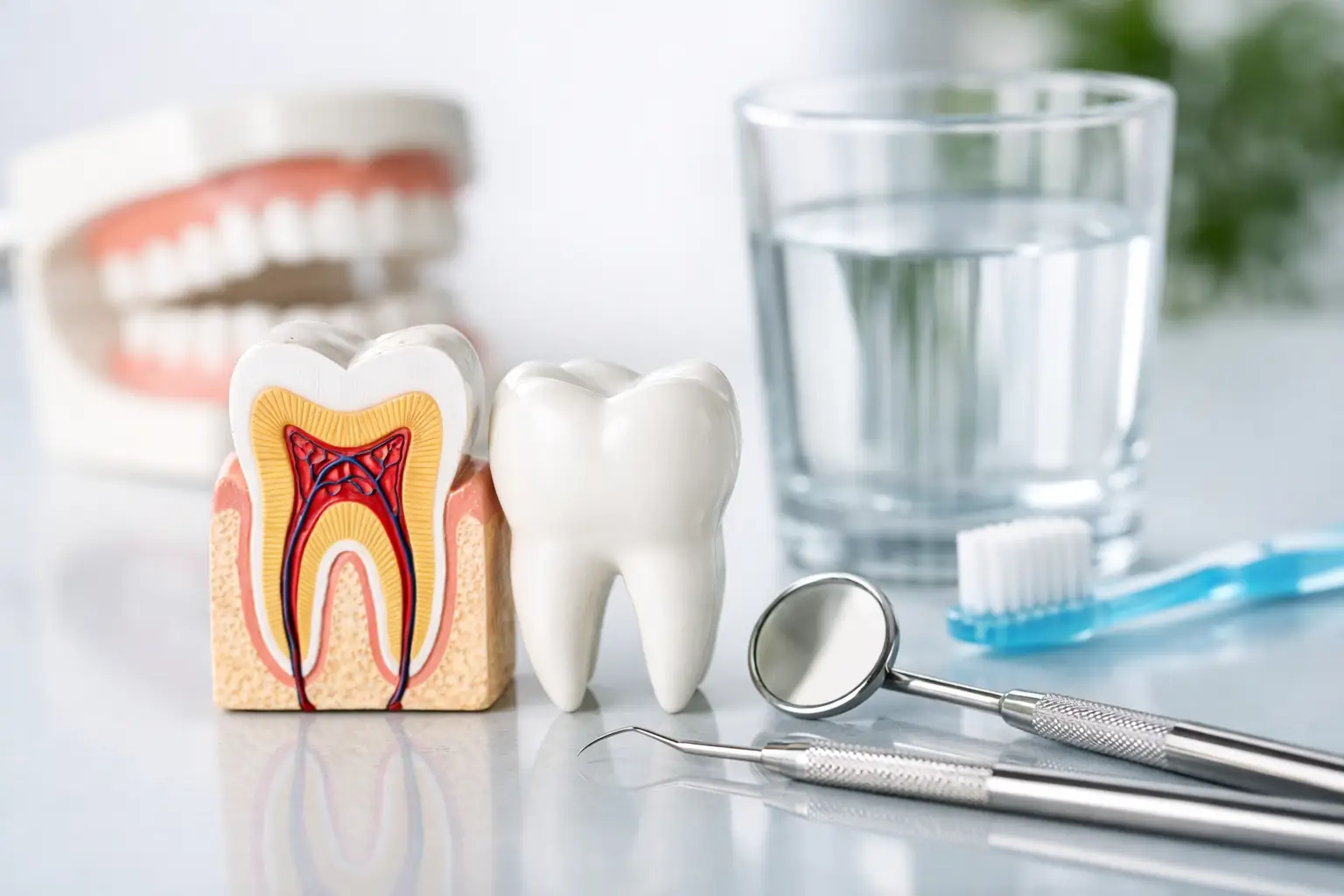
The most effective way to prevent recurring tooth decay is to understand your personal risk factors. During a dental visit, your care team can look beyond whether you have a cavity today. They can evaluate the condition of older restorations, review your home routine, discuss dietary patterns, check for dry mouth, and identify areas that may be difficult to clean.
For some patients, cleanings every six months are appropriate. Others benefit from more frequent preventive visits because of gum inflammation, dry mouth, a high cavity rate, orthodontic treatment, or extensive restorative work. More frequent care is not about over-treating. It is about giving higher-risk teeth the attention they need before problems become urgent.
Children and teens may benefit from sealants on permanent molars. These thin protective coatings cover deep grooves where toothbrush bristles may not reach easily. Adults can also be candidates for sealants in certain situations, particularly when back teeth have deep pits and no existing decay.
At Shine & Sparkle Dentistry, personalized preventive care is designed to help patients feel informed and confident about each recommendation. Whether you are managing a child’s first cavities, protecting a busy professional’s smile, or monitoring older fillings, a clear plan can replace uncertainty with practical next steps.
When Decay Signals a Bigger Oral Health Concern
Repeated cavities can occasionally point to an underlying issue that deserves more attention. Acid reflux, frequent vomiting, eating disorders, uncontrolled diabetes, and certain medical treatments may affect the mouth and enamel. Mouth breathing, snoring, and untreated gum disease can also contribute to dryness, bacterial buildup, or root exposure.
Be honest with your dentist about your medical history, medications, and symptoms. That information is private, useful, and never a reason for judgment. It allows your dentist to recommend care that fits your health needs, whether that means additional fluoride, dry-mouth support, restorative treatment, a nightguard, or coordination with your physician when appropriate.
A Better Goal Than Just “No Cavities”
Preventing decay is about more than avoiding fillings. It is about keeping teeth comfortable, functional, and attractive for as long as possible. A healthy mouth makes it easier to eat comfortably, speak confidently, and smile without worrying about pain or surprises.
If you have had more than one cavity in recent years, do not assume it will always be that way. Small changes in brushing, fluoride use, snacking habits, and preventive visits can add up. The right next step is a thoughtful dental evaluation that looks for the reason behind the pattern, then gives your smile the focused care it deserves.