6505 W Park Blvd #132 Plano, TX 75093

Restorative Dentistry Treatment Options Explained
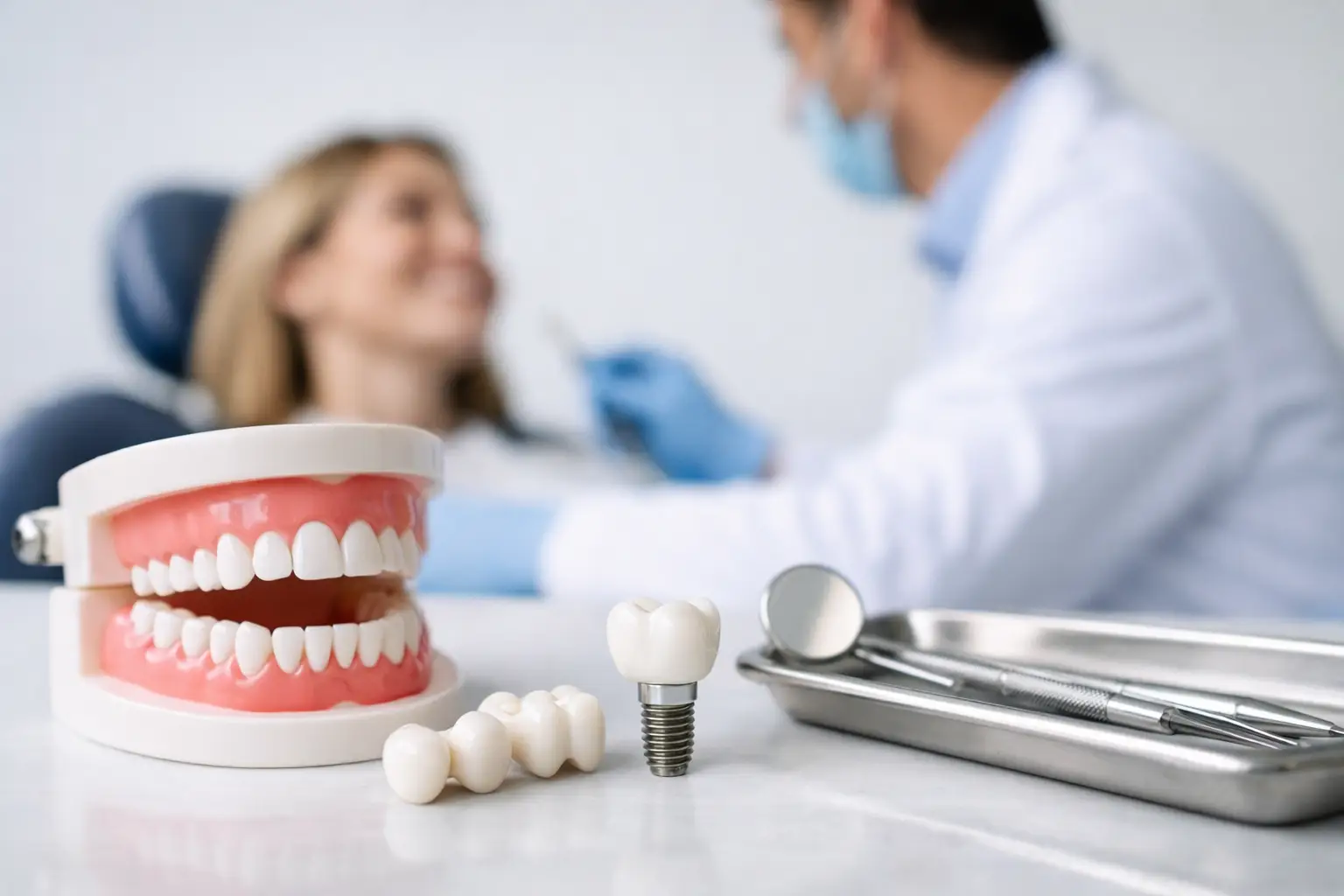
A tooth that hurts when you chew, a filling that has fallen out, or a gap that makes you hide your smile can affect much more than your dental health. The right restorative dentistry treatment options can relieve discomfort, protect your remaining teeth, and help you feel comfortable speaking, eating, and smiling again. The best choice is not always the most extensive treatment. It is the one that addresses the problem thoroughly while fitting your health, goals, timeline, and budget.
At Shine & Sparkle Dentistry, we believe patients deserve clear answers before making a decision. Whether your concern is a small cavity or several missing teeth, a personalized evaluation helps determine what your smile needs now and what will protect it for years to come.
What Is Restorative Dentistry?
Restorative dentistry focuses on repairing or replacing teeth that have been damaged by decay, injury, wear, infection, or tooth loss. Its purpose is practical and personal: restore the way your teeth function while supporting a natural-looking smile.
A restoration may be as simple as a tooth-colored filling, or it may involve a custom crown, bridge, denture, or dental implant. Some treatments are completed in one visit, while others require several appointments and a healing period. Your dentist will examine the tooth, gums, bite, and surrounding bone before recommending care because these details influence which solution will last.
Addressing damage early usually means more conservative treatment. A small cavity may only need a filling. If decay or a crack reaches deeper into the tooth, a crown or root canal may become necessary. Waiting until pain is severe can make treatment more complex, so a prompt exam is often the kindest option for both your smile and your budget.
Common Restorative Dentistry Treatment Options
Tooth-colored fillings for small areas of decay
Fillings are used when a cavity, minor chip, or worn area has damaged a limited portion of a tooth. After removing decay, the dentist places a durable composite material that is matched to the color of your natural enamel.
For many patients, tooth-colored fillings are an attractive choice because they blend in naturally and preserve more of the healthy tooth structure than older materials in many cases. They are generally completed in a single visit. However, a filling is not designed to support a tooth with major structural damage. If too much of the tooth is missing, a crown may provide better long-term protection.
Dental crowns for weakened or broken teeth
A dental crown is a custom cover that fits over the entire visible portion of a tooth. Crowns are often recommended after a large filling fails, when a tooth has a significant crack, following root canal treatment, or when decay has removed too much tooth structure for another filling.
Modern crowns can be made to look remarkably natural, especially when placed on teeth that show when you smile. They also restore chewing strength and help hold a weakened tooth together. A crown does require the tooth to be carefully shaped to make room for the restoration, which is why it is usually reserved for teeth that need more support than a filling can provide.
Root canal treatment to save an infected tooth
Deep decay, trauma, or a crack can allow bacteria to reach the soft tissue inside a tooth, called the pulp. This can lead to persistent pain, temperature sensitivity, swelling, or an abscess. Root canal treatment removes infected tissue from inside the tooth, cleans the canals, and seals them to prevent further infection.
Despite its reputation, a root canal is designed to stop dental pain, not create it. With modern techniques and effective anesthetic, most patients describe the experience as similar to receiving a filling. Because a tooth can become more brittle after root canal treatment, it is often protected with a crown afterward, particularly for back teeth that handle heavy chewing forces.
Saving a natural tooth is often the preferred outcome when it is predictably possible. Still, not every tooth can be saved. If damage extends too far below the gumline or the tooth has inadequate support, replacement may be the healthier choice.
Dental bridges to replace one or more missing teeth
A dental bridge fills the space left by a missing tooth using a replacement tooth supported by nearby teeth or, in some cases, dental implants. A traditional bridge is fixed in place, so it does not come out for cleaning. It can restore your ability to chew and help prevent neighboring teeth from shifting into the gap.
A bridge may be a practical solution when the teeth beside the gap already need crowns or when an implant is not appropriate due to health, bone, cost, or timeline considerations. The trade-off is that a traditional bridge involves preparing the supporting teeth. Patients should also be diligent about cleaning beneath the replacement tooth, since plaque can collect in this area if it is not cared for properly.
Dentures for several or all missing teeth
Dentures replace multiple missing teeth and can be either partial or complete. A partial denture fills gaps when some healthy natural teeth remain. A complete denture replaces an entire upper or lower arch of teeth.
Today’s dentures are more natural-looking and comfortable than many people expect. They can restore facial support, improve speech, and make eating easier. That said, removable dentures require an adjustment period, and their fit may change as the jawbone changes over time. Patients who want more stability may be candidates for implant-supported dentures, which use dental implants to secure the appliance more firmly.
Dental implants for lasting tooth replacement
A dental implant replaces the root of a missing tooth with a small post placed in the jawbone. Once the implant has healed and integrated with the bone, it can support a crown, bridge, or denture. Because implants function independently of neighboring teeth, they can be an excellent option for preserving surrounding tooth structure.
Implants are valued for their stability, natural feel, and ability to help maintain jawbone after tooth loss. They are not always the fastest path, since healing time is part of the process. Adequate bone support, healthy gums, and good oral hygiene are also essential. For patients with bone loss or gum disease, additional treatment may be needed before implant placement.
How Your Dentist Chooses the Right Treatment
The most appropriate restorative treatment depends on more than what is visible in the mirror. Your dentist may use an exam, digital X-rays, and bite evaluation to understand the extent of decay or damage and determine whether the tooth and surrounding gums are healthy enough to support a restoration.
Your daily habits matter too. Teeth grinding, clenching, frequent snacking, tobacco use, or dry mouth can affect how long a restoration lasts. A person who grinds their teeth may need a protective nightguard after receiving a crown. Someone replacing a missing tooth may prefer an implant for its stability, while another patient may decide a bridge offers a better fit for their immediate needs.
There is no reason to feel pressured into a treatment you do not understand. A trustworthy recommendation should include what is happening, why a specific option is being suggested, what alternatives are available, and what can happen if treatment is delayed. Honest communication makes it easier to move forward with confidence.
Caring for Your Restored Smile
Restorations are durable, but they are not maintenance-free. Brushing twice a day with fluoride toothpaste, cleaning between teeth daily, and keeping regular dental visits help protect both the restoration and the natural tooth around it. Crowns, bridges, fillings, and implants can all develop problems at their edges if plaque is allowed to build up.
Call your dentist if you notice pain when biting, lingering sensitivity, a loose restoration, bleeding gums, swelling, or a change in how your bite feels. These concerns do not always mean a restoration has failed, but early attention can often prevent a small issue from becoming an emergency.
You do not have to live with a damaged tooth, a missing tooth, or the worry that comes with dental pain. A gentle, one-on-one consultation can give you a clear path forward and help you choose care that lets your smile feel like your own again.