6505 W Park Blvd #132 Plano, TX 75093

Teeth Whitening Options for a Brighter Smile
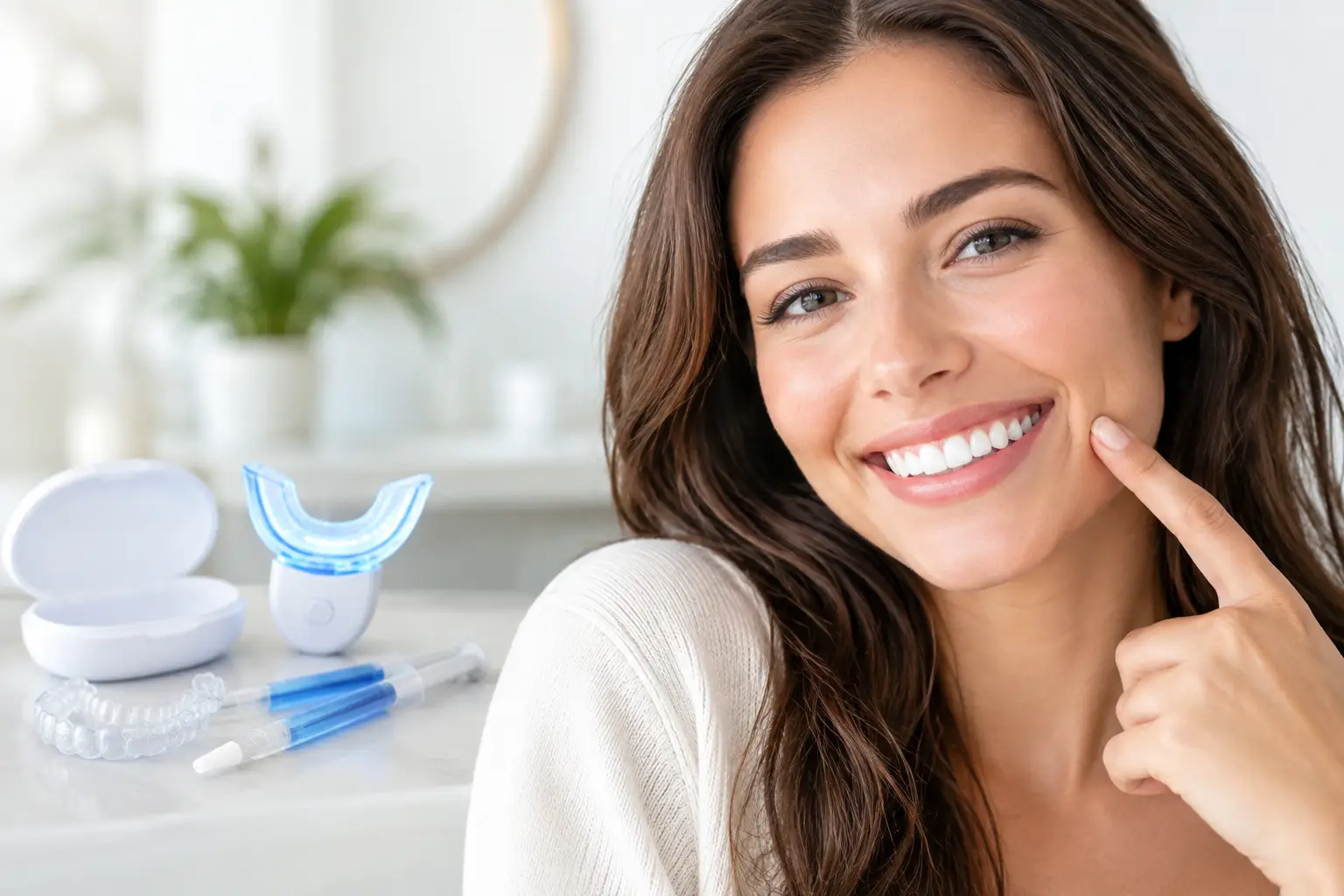
Coffee on the way to work, a favorite red pasta sauce, and years of normal life can gradually change the color of your smile. Teeth whitening can be a simple, confidence-building cosmetic treatment, but the best approach is not always the strongest product on the shelf. A healthy, natural-looking result starts with understanding why your teeth look darker and choosing an option that fits your smile.
For many Plano patients, whitening is about more than looking good in photos. It can be the finishing touch before a wedding, a job interview, or a long-awaited family event. It can also be a personal choice – a way to feel more comfortable smiling without changing the character of your teeth.
Why Teeth Change Color
Tooth discoloration has more than one cause, which is why whitening can produce very different results from person to person. Surface stains often come from coffee, tea, red wine, tobacco, dark berries, and richly colored sauces. These stains settle into the outer enamel over time and typically respond well to whitening treatment.
Some color changes come from inside the tooth rather than on its surface. Aging naturally makes enamel thinner, allowing more of the yellow-toned dentin beneath it to show through. Certain medications, childhood dental changes, trauma to a tooth, and previous root canal treatment can also create deeper discoloration. Whitening may still help in some of these situations, but the outcome can be less predictable.
Before selecting a treatment, it helps to know whether the issue is stain, natural tooth shade, or a dental concern that needs attention first. A tooth that suddenly turns gray or dark, especially after an injury, should be evaluated rather than simply whitened.
Teeth Whitening Options: What Actually Works?
The right choice depends on your starting shade, timeline, tooth sensitivity, and the condition of your teeth and gums. A dental exam offers a useful starting point because whitening is most comfortable and effective when cavities, leaking fillings, gum inflammation, and significant enamel wear have been addressed.
Professional in-office whitening
In-office whitening is often the best fit when you want a noticeable change quickly and prefer treatment under professional supervision. A dentist applies a higher-strength whitening gel carefully, protecting the gums and soft tissues while monitoring your comfort. Many patients see a visibly brighter smile after one visit, although results vary based on the original shade and type of discoloration.
This option is especially helpful before a special event. It is not necessarily the right answer for everyone, though. Some patients experience temporary sensitivity afterward, and deeper internal stains may require a different cosmetic plan. Professional care makes it easier to set realistic expectations before treatment begins.
Custom take-home trays
Custom whitening trays offer a more gradual, flexible route to a brighter smile. Your dentist creates trays that fit closely around your teeth and provides professional-grade whitening gel with instructions for safe use at home. Because the trays are tailored to your smile, the gel is less likely to spread onto your gums, and coverage is more even than it is with many store-bought products.
This approach works well for patients who want control over the pace of treatment. You can whiten over a period of days or weeks, then save the trays for occasional touch-ups. For many busy professionals and parents, it is an effective balance between convenience, comfort, and reliable results.
Over-the-counter strips, trays, and toothpaste
Store-bought whitening products can help with mild surface staining, particularly when used exactly as directed. Whitening strips may brighten teeth modestly, while whitening toothpastes can help remove new surface stains through gentle polishing ingredients.
The trade-off is fit and consistency. Generic strips and trays are made for many different smiles, so they may not reach every area evenly. They can also irritate gums or increase sensitivity if overused. Whitening toothpastes do not usually change the underlying shade of teeth dramatically, and abrasive formulas may not be a good long-term choice for people with enamel wear or gum recession.
If you have tried several over-the-counter products with little change, more product is not necessarily the answer. It may simply mean that the discoloration needs a professionally guided approach.
What Whitening Can and Cannot Change
Whitening gel works on natural tooth enamel. It does not change the color of crowns, veneers, bonding, fillings, or dental implants. That matters most when restorations are visible near the front of your smile. Whitening natural teeth first may be recommended before replacing an older crown or filling, so a new restoration can be matched to your preferred shade.
Results also have limits. The goal is a healthy, flattering brightness, not an artificial color that looks out of place. Your dentist can help you choose a shade that complements your complexion, facial features, and existing dental work.
Whitening also cannot fix uneven tooth shape, chips, gaps, worn edges, or significant alignment concerns. Sometimes whitening is the first step in a larger smile enhancement plan. In other cases, treatments such as bonding, veneers, or orthodontics may better address the changes you want to see.
Is Teeth Whitening Safe for Sensitive Teeth?
When used appropriately, whitening is considered safe for most healthy adult smiles. Sensitivity is the most common side effect. You may notice brief zingers from cold drinks or mild tenderness during treatment, especially if you already have sensitive teeth. This usually improves after treatment is paused or completed.
A personalized plan can make a meaningful difference. Lower-strength gel, shorter wear times, spacing out applications, and desensitizing products may help you whiten more comfortably. Your dentist may also recommend treating exposed root surfaces, gum recession, or enamel issues before whitening.
Whitening should generally be postponed if you have untreated tooth decay, active gum disease, cracked teeth, or ongoing dental pain. Pregnant or breastfeeding patients should discuss the timing of elective cosmetic treatment with their medical and dental providers. Children and teens need individualized dental guidance before using whitening products as well.
How to Keep Your Smile Brighter Longer
No whitening result is permanent, but daily habits can help it last. The first 24 to 48 hours after professional treatment are often the most important because teeth may be more likely to pick up color during that period. Limiting coffee, tea, red wine, dark sodas, and tobacco can help preserve your result.
You do not have to give up every food or drink you enjoy. Rinsing with water after coffee or a richly colored meal, using a straw for cold dark beverages when practical, and maintaining consistent brushing and flossing can reduce new staining. Regular dental cleanings are equally valuable because they remove surface buildup that can dull a bright smile.
Touch-up timing depends on your habits and the whitening method used. Some people want a refresh after several months, while others wait a year or longer. Whitening too often can increase sensitivity without producing better results, so it is wise to follow the plan recommended for your smile.
Start With a Smile Assessment You Can Trust
A brighter smile should never come at the expense of oral health or comfort. At Shine & Sparkle Dentistry, we take time to look at the full picture – your tooth color, existing restorations, sensitivity history, and cosmetic goals – before recommending an option. You deserve honest guidance, not a one-size-fits-all promise.
If your smile has lost some of its sparkle, a professional conversation can bring clarity. With the right treatment and a gentle, personalized plan, you can feel informed, comfortable, and genuinely confident each time you smile.