6505 W Park Blvd #132 Plano, TX 75093

Why Are My Gums Receding? Causes and Care
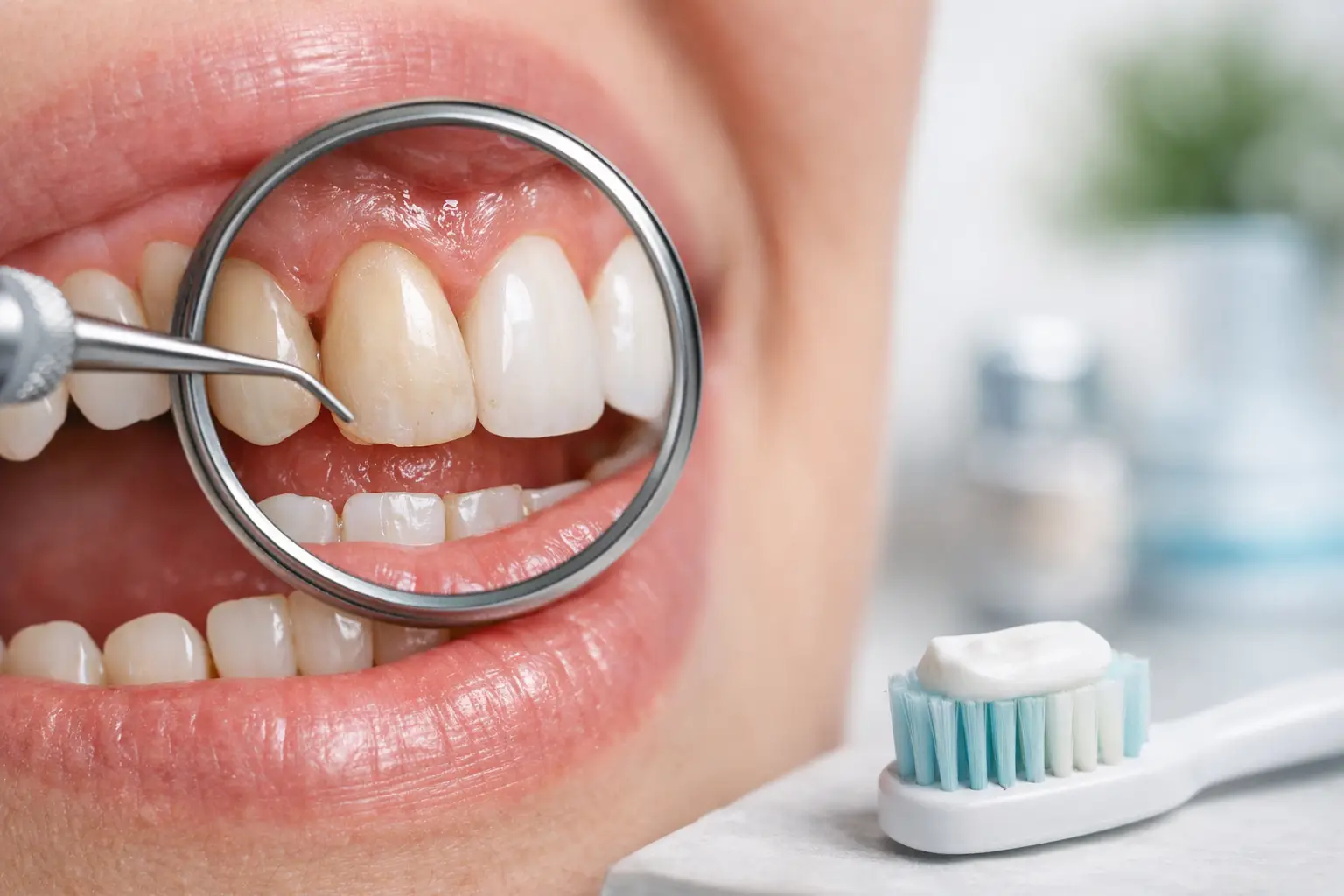
A tooth can look longer than it used to for a reason that has nothing to do with the tooth itself. If you are asking, “why are my gums receding,” you may be noticing a change at the gumline, new tooth sensitivity, or a smile that simply looks different in photos. Gum recession is common, but it is not something to ignore. A gentle dental evaluation can identify what is causing it and help protect the teeth and supporting bone beneath your gums.
What gum recession means
Gum recession happens when gum tissue pulls back, wears away, or sits lower on the tooth than it once did. This exposes more of the tooth root, which is not covered by protective enamel the way the visible crown of your tooth is.
Because root surfaces are softer and more vulnerable, they can become sensitive to cold drinks, sweets, brushing, or even cool air. Recession can also make it easier for plaque to collect around the gumline and increase the risk of root decay. In more advanced cases, it may be a sign that gum disease or bite forces are affecting the foundation that supports your teeth.
Receding gums do not always hurt. That is one reason routine exams matter. Your dentist can measure gum levels over time and spot small changes before they become a larger concern.
Why are my gums receding?
There is rarely one explanation that applies to everyone. Your gums may be receding because of inflammation, brushing habits, the natural shape of your teeth and gum tissue, or pressure placed on the teeth over time. Often, more than one factor is involved.
Gum disease
Periodontal disease is one of the most significant causes of gum recession in adults. It begins when plaque bacteria remain along and below the gumline, causing inflammation. Gums may look red, puffy, tender, or bleed when you brush or floss.
Without treatment, the infection can damage the tissues and bone that hold teeth in place. As that support is lost, the gums can recede and pockets can form around the teeth. Gum disease may progress quietly, especially for people who do not experience much pain, so bleeding gums should never be dismissed as normal.
Brushing too hard or using the wrong technique
A clean smile should not require force. Scrubbing aggressively with a hard-bristled toothbrush can gradually wear away gum tissue, particularly around canines and premolars. Brushing side to side with excessive pressure may also wear notches into the tooth near the gumline.
A soft-bristled toothbrush, gentle circular motions, and two minutes of careful brushing twice a day are usually more effective than hard scrubbing. An electric toothbrush with a pressure sensor can be helpful for patients who tend to press too firmly.
Genetics and thin gum tissue
Some people are naturally more prone to recession, even with excellent oral hygiene. Thin gum tissue, a prominent tooth root, or teeth positioned slightly outside the bony ridge can leave the gumline more vulnerable. If close family members have experienced gum problems or recession, it is worth mentioning during your appointment.
This does not mean recession is inevitable. It means your care plan may need to be more preventive, with regular monitoring and guidance tailored to your gum type.
Clenching, grinding, or an uneven bite
Teeth are designed to handle normal biting forces, but frequent clenching and grinding can place extra stress on them and the tissues around them. You may notice morning jaw soreness, headaches, worn or chipped teeth, or a partner may hear you grind at night.
An uneven bite can create a similar problem by concentrating force on certain teeth. Your dentist can look for wear patterns and signs of mobility, then discuss options such as a custom night guard, bite adjustment, or orthodontic treatment when appropriate.
Tobacco use and other irritants
Smoking and other tobacco use raise the risk of gum disease and can make it harder for gum tissue to heal. Tobacco can also mask bleeding, so gums may appear less inflamed than they truly are. Vaping, while different from smoking, may still irritate oral tissues and should be discussed honestly with your dental team.
Oral piercings can also repeatedly rub against the gums, especially near the lower front teeth. Over time, that friction may contribute to recession or tooth damage.
Hormonal changes and health conditions
Hormonal shifts during pregnancy, menopause, and other life stages can make gums more sensitive to plaque. Conditions that affect immune function, blood sugar control, or saliva flow may also influence gum health. Certain medications can contribute to dry mouth, making it easier for plaque to build up.
Your dental team does not need every detail of your health history to judge you. They need it to provide safer, more personalized care. Sharing medication changes, pregnancy, diabetes, or dry-mouth symptoms helps your dentist understand the full picture.
Signs you should schedule a dental visit
A tooth that looks longer is a visible clue, but gum recession can show up in other ways. Sensitivity near the gumline, pain while brushing, spaces that appear between teeth, or a notch near the base of a tooth all deserve attention. Bleeding, persistent bad breath, loose teeth, swelling, or pus around the gums are more urgent signs that periodontal disease may be present.
Do not wait for severe pain. Gum disease and recession often develop gradually, and early care is generally simpler and more comfortable. If you have sudden swelling, significant bleeding, a loose tooth, or severe pain, contact a dentist promptly.
How dentists treat receding gums
Treatment depends on the cause, the amount of recession, and whether bone loss or active infection is involved. The goal is not always to make the gumline look exactly as it did before. The priority is to stop progression, protect exposed roots, improve comfort, and preserve the teeth.
For mild recession without active disease, treatment may focus on technique and prevention. Your dentist or hygienist can show you how to brush gently, recommend the right toothbrush, and suggest a sensitivity toothpaste or fluoride treatment to strengthen exposed root surfaces. In some cases, a small amount of tooth-colored bonding can cover a worn area and reduce sensitivity.
If gum disease is present, a deeper professional cleaning below the gumline may be recommended. This removes plaque and hardened tartar from areas a toothbrush cannot reach. Follow-up periodontal care helps keep the infection under control and allows the team to monitor healing.
When recession is more advanced or the root is significantly exposed, gum grafting may be considered. During this periodontal procedure, tissue is added to reinforce the area and cover part or all of the exposed root when possible. Grafting can improve comfort, protect the root, and create a more balanced appearance. It is not necessary for every case, which is why an individualized evaluation matters.
Can receding gums grow back?
Gum tissue usually does not regrow on its own once it has receded. However, that does not mean you are out of options. Many people can prevent additional recession with the right home care and professional treatment. When coverage is needed, periodontal procedures can restore tissue in selected areas.
The best outcome comes from identifying the cause rather than trying to cover up the symptom. For example, a graft may not hold up as well if aggressive brushing, untreated grinding, or active gum disease continues afterward.
Everyday habits that protect your gumline
Use a soft toothbrush and light pressure. Aim the bristles gently toward the gumline rather than sawing back and forth across it. Clean between your teeth daily with floss, interdental brushes, or another dentist-recommended option, because toothbrushes cannot fully clean those tight spaces.
Keep regular preventive visits, even if your teeth feel fine. Professional cleanings remove tartar that cannot be brushed away, while exams allow your dentist to track recession and periodontal measurements. If you grind your teeth, wear the night guard your dentist recommends. If tobacco is part of your routine, reducing or stopping use can make a meaningful difference for your gums and overall health.
At Shine & Sparkle Dentistry, a gum evaluation is approached with the same care as any other concern: clear explanations, gentle treatment, and recommendations that fit your needs. You deserve to understand what is happening in your mouth without feeling rushed or overwhelmed.
If your smile has changed or cold water suddenly makes a tooth sting, trust that observation. A timely visit can turn a worrying change at the gumline into a clear plan for protecting your comfort, confidence, and long-term oral health.