6505 W Park Blvd #132 Plano, TX 75093

Is Tooth Sensitivity a Cavity? Know the Signs
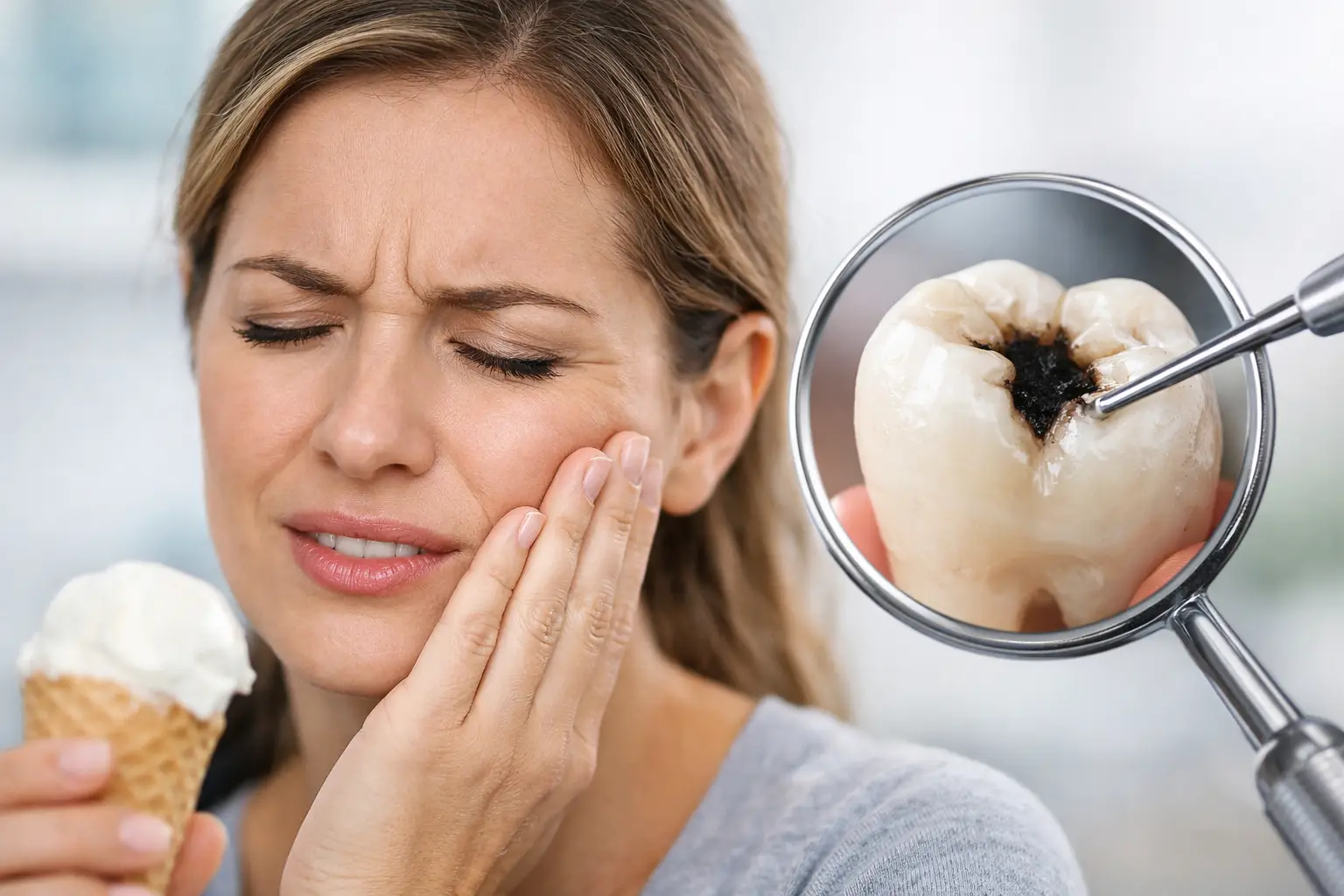
That sharp jolt when you sip iced coffee or bite into something sweet can make your mind race straight to one question: is tooth sensitivity a cavity? Sometimes, yes. But sensitivity is a symptom, not a diagnosis. It can come from a small cavity, but it may also be caused by worn enamel, gum recession, a cracked tooth, recent dental work, or even brushing too hard.
The reassuring news is that most causes of sensitivity can be identified with a thoughtful dental exam and treated before they become more uncomfortable or complex. You do not have to guess, and you do not need to wait until a sensitive tooth becomes a painful one.
Is Tooth Sensitivity a Cavity?
A cavity is one possible reason for tooth sensitivity. Cavities develop when bacteria in plaque use sugars from food and drinks to create acids that weaken tooth enamel. As the decay progresses deeper into the tooth, cold, heat, sweets, or pressure can reach the sensitive inner layers more easily.
Sensitivity from a cavity may begin as an occasional twinge with cold water or dessert. As decay gets closer to the nerve, it can become stronger, last longer, or appear more often. Some people notice pain when chewing, especially if food presses into a weakened area of the tooth.
Still, not every sensitive tooth has decay. In fact, sensitivity affecting several teeth at once is often more likely to be related to enamel wear, exposed roots, or clenching than to separate cavities. A dentist can look beyond the symptom, use digital X-rays when appropriate, and explain what is actually happening in a clear, honest way.
Signs Sensitivity May Be Caused by a Cavity
A cavity does not always hurt, especially in its earliest stages. That is one reason routine checkups matter. When sensitivity is involved, certain patterns deserve closer attention.
Sensitivity limited to one specific tooth can point to a localized issue such as decay, a crack, or a failing filling. Pain triggered by sweets is also a common cavity clue because sugar can irritate exposed dentin, the layer beneath enamel. You may notice a rough spot, a visible dark area, a small hole, or floss that catches or shreds between two teeth.
Pain that lingers after a cold drink is more concerning than a quick flash that disappears. Lingering discomfort can mean that decay or damage has reached deeper parts of the tooth. Pain on biting, spontaneous toothaches, swelling near the gumline, a bad taste, or a small bump on the gums should be evaluated promptly. These symptoms may signal an infection or a problem that needs restorative or emergency dental care.
A tooth can look normal and still have a cavity between the teeth or beneath an older restoration. This is why an exam is more reliable than checking your smile in the mirror and hoping for the best.
Other Common Causes of Sensitive Teeth
If a cavity is not the cause, there are several other explanations. The right treatment depends on the source of the sensitivity.
Worn enamel
Enamel is the hard protective outer surface of a tooth. Frequent exposure to acidic drinks, citrus, sports drinks, reflux, or aggressive brushing can gradually wear it down. Once dentin is exposed, temperature changes can travel through tiny channels toward the nerve and create that familiar sharp sensation.
Using a soft-bristled toothbrush and a gentle, circular brushing motion can help protect enamel. If you have had something acidic, wait about 30 minutes before brushing instead of brushing immediately. This gives your saliva time to begin neutralizing acids.
Gum recession
Gums can recede because of gum disease, brushing pressure, genetics, or years of wear. When gums pull back, the roots of teeth become exposed. Roots do not have the same thick enamel covering as crowns of teeth, so they can be especially sensitive to cold air, brushing, and drinks.
Gum recession deserves professional attention, particularly if it is progressing or accompanied by bleeding gums. Addressing periodontal health can protect both your comfort and the foundation supporting your teeth.
Teeth grinding or clenching
Many people clench their teeth during stressful moments or grind them at night without realizing it. Repeated pressure can create tiny cracks, wear down chewing surfaces, and make teeth react to cold or biting pressure. You may also wake with jaw soreness, headaches, or teeth that feel tender.
A custom nightguard can be a helpful option when grinding is contributing to tooth wear and sensitivity. It is designed to fit your bite comfortably and protect your teeth more effectively than a one-size-fits-all option.
Cracks, old fillings, and recent treatment
A cracked tooth can cause a sharp pain that comes and goes, often when releasing a bite. Older fillings and crowns can also wear, loosen, or develop gaps where bacteria can enter. In some cases, temporary sensitivity after a new filling, crown, whitening treatment, or professional cleaning is normal and settles within days or a few weeks.
If sensitivity after treatment is severe, worsens, or does not improve, let your dental team know. A simple adjustment may be all that is needed, but it is always worth checking.
What You Can Do Before Your Appointment
If your tooth sensitivity is mild and brief, a toothpaste made for sensitive teeth may help reduce discomfort over time. Use it consistently, and avoid switching products too quickly. Sensitivity toothpaste can help block the pathways that transmit sensations through exposed dentin, but it will not repair a cavity, crack, or gum disease.
Choose lukewarm drinks if cold temperatures trigger pain, and avoid chewing hard foods on the sensitive side until you know the cause. Continue brushing twice a day and cleaning between your teeth daily, but be gentle. Skipping oral hygiene because a tooth is sore can allow plaque and inflammation to worsen.
Avoid placing aspirin directly on a tooth or gum. It will not treat the source of pain and can irritate the soft tissues in your mouth. If you need pain relief, follow the directions for an appropriate over-the-counter medication and contact your dentist for guidance, especially if you have health conditions or take prescription medications.
When to Schedule a Dental Visit
Schedule an appointment if sensitivity lasts more than a few days, keeps returning, affects your ability to eat or drink comfortably, or is focused on one tooth. An early evaluation often means simpler, more conservative treatment. A small cavity may only need a filling, while untreated decay can eventually require a crown, root canal treatment, or extraction.
Seek urgent dental care if you have facial swelling, fever, a severe or throbbing toothache, swelling around a tooth, or trouble swallowing or breathing. These can be signs of a spreading infection and should not be managed at home.
At Shine & Sparkle Dentistry, a gentle examination can help separate a passing sensitivity issue from a problem that needs treatment. Your dentist can assess your teeth, gums, bite, and existing restorations, then discuss options that fit your needs, comfort, and goals. There is no benefit to being left in the dark about your oral health.
Protecting Your Smile Between Visits
The best way to prevent cavities and many forms of sensitivity is steady, practical care. Brush with fluoride toothpaste twice daily, clean between teeth every day, limit frequent sugary and acidic snacks or drinks, and keep up with preventive exams and cleanings. Frequency matters: sipping a sweet or acidic drink all afternoon exposes teeth more often than enjoying it with a meal and drinking water afterward.
If you are prone to sensitivity, mention it at every visit, even if it has improved. Small changes in enamel, gums, bite pressure, or older dental work can be easier to manage when caught early. Your smile should not make you hesitate before enjoying a cold drink, sharing a meal, or speaking with confidence. Listening to that small twinge now is one of the kindest things you can do for your teeth later.